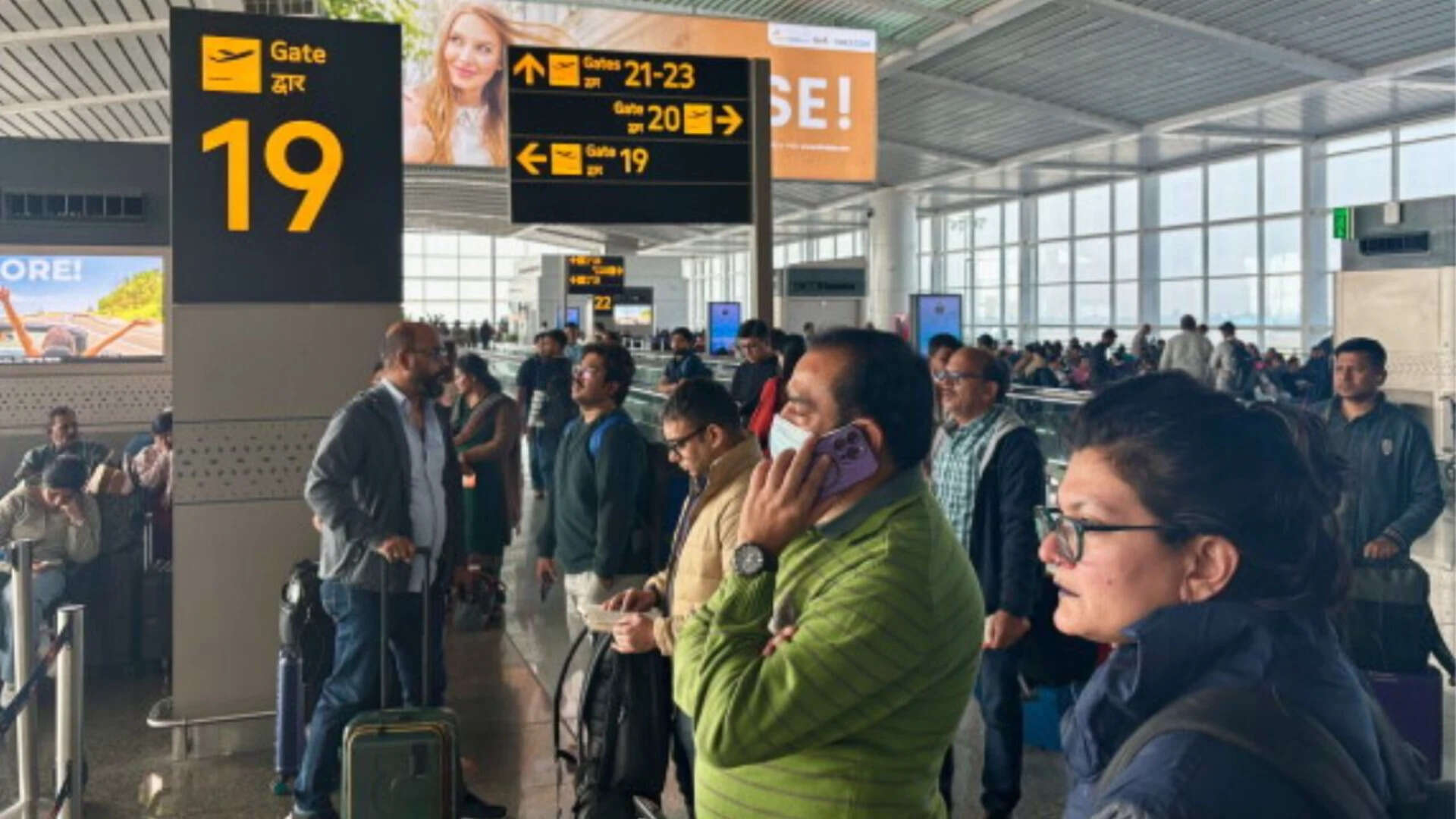
Don't panic if you haven't booked your summer trip back home to India yet. While the general consensus over the last few weeks was that ticket prices were spiraling out of control, a sudden and welcome shift is happening across major UAE airports. If you look closely at the booking engines right now, some route prices are actually softening.
Getting a flight from Dubai, Abu Dhabi, or Sharjah to major Indian hubs has been a brutal exercise in budgeting lately. Geopolitical tensions and soaring jet fuel prices forced massive capacity cuts earlier this year, sending average summer fares north of Dh3,500 on popular sectors. But the market is adjusting. Extra capacity is returning, airlines are quietly releasing unsold inventory, and the frantic panic-buying of early summer has slowed down. You can find massive relief if you know where to look and when to fly.
The Capacity Boost Saving Your Wallet
The primary reason behind this sudden fare relief comes down to basic aviation economics. Airlines are finally putting more planes back in the sky. Earlier this summer, major carriers like Air India and IndiGo slashed international and domestic schedules to cope with airspace restrictions and fuel spikes. Air India pulled back its network by nearly a quarter, which choked off seat supply right when UAE school holidays were kicking off.
The situation is stabilizing. Regional carriers are restoring their flight frequencies ahead of the peak July rush. Air India Express has brought its regional operating capacity back up to around 80%, reintroducing vital seats to secondary airports in India. More planes mean more competition, and more competition means airlines can no longer get away with charging extortionate last-minute fares.
Airlines are also utilizing ad-hoc schedule increases to handle the specific rush of the upcoming school holiday demand. IndiGo has bumped up services to specific destinations like Calicut, which instantly punctured the inflated pricing bubble on that route. Data from regional travel agencies shows that while overall fares are still higher than summer 2025 averages, localized injections of new seats are creating sudden, temporary price drops.
Where Fares are Dropping Right Now
The price drops aren't uniform across every single city code, but certain sectors are experiencing noticeable discounts. The most significant relief is happening on routes to Kerala and specific western Indian hubs.
According to regional travel desk data from operators like Deira Travels and Smart Travels, look at how the numbers are moving on key routes:
- Kannur: Fares that peaked at a steep Dh1,500 have experienced sudden last-minute drops of Dh400 to Dh500 for late June departures.
- Kochi and Calicut: Peak rates that hovered around the Dh3,500 mark have softened down to Dh2,600 on select airline blocks.
- Ahmedabad and Mumbai: Budget carriers are occasionally releasing promotional seats, with one-way tickets flashing as low as Dh550 to Dh850 if you catch a flash inventory release.
Full-service carriers like Emirates and Etihad still hold premium pricing, generally hovering between Dh1,250 and Dh1,500 for one-way peak tickets. Independent travel consultants have flagged short-window anomalies where Emirates seats dropped briefly to the Dh650 range due to sudden group booking cancellations.
How to Capture These Price Drops
You can't just open a booking app, type in random dates, and expect a miracle. Securing these lower rates requires playing the airline algorithms correctly.
Monitor the Cancellation Windows
Aisles of unsold inventory go back into the system roughly 24 to 48 hours before a flight departs. When corporate packages or large family groups cancel their bookings, those empty seats are instantly pushed back online at lower tariff tiers to ensure the aircraft flies full. If you have the flexibility to travel at a moment's notice, monitoring airline apps late at night can reveal sudden price drops.
Shift to Mid-Week Departures
Flying out on a Friday night or Saturday morning from Dubai International (DXB) is financial suicide during the summer. Historical pricing data from global aggregators like Google Flights and Skyscanner confirms that outbound flights on Tuesday and Wednesday mornings average up to 25% cheaper than weekend evening departures. Morning flights also offer better structural reliability, meaning you face less risk of knock-on delays ruining a connection.
Split Your Carrier Tickets
Stop buying traditional round-trip tickets on a single airline. The smartest way to save money right now is by booking two separate one-way tickets with different operators. You might fly out of Sharjah on Air Arabia to capture an early-week discount, but return via IndiGo into Abu Dhabi because their mid-August return leg fits a cheaper fare bucket.
Look to the August Shoulder Season
If you don't need to travel the exact week school lets out, wait. The absolute peak demand window sits squarely between late June and the first week of July. Forward-looking booking patterns show a clear softening of fares for mid-to-late August. By pushing your travel window back by just three weeks, you can easily shave 30% off the total cost of a family holiday package.
The window of opportunity for these cheaper UAE-to-India flight tickets changes daily as airline network teams fiddle with their pricing algorithms. Set up instant price alerts on major aggregators, look outside your primary departure airport, and be ready to pull the trigger the second a tariff drop appears.
To understand the broader operational changes behind these pricing shifts, you can watch this Air India flight restoration update which breaks down how stabilizing regional conditions are allowing carriers to bring back their international schedules.



,webp/025/102/772/1280x720.17252177.jpg)