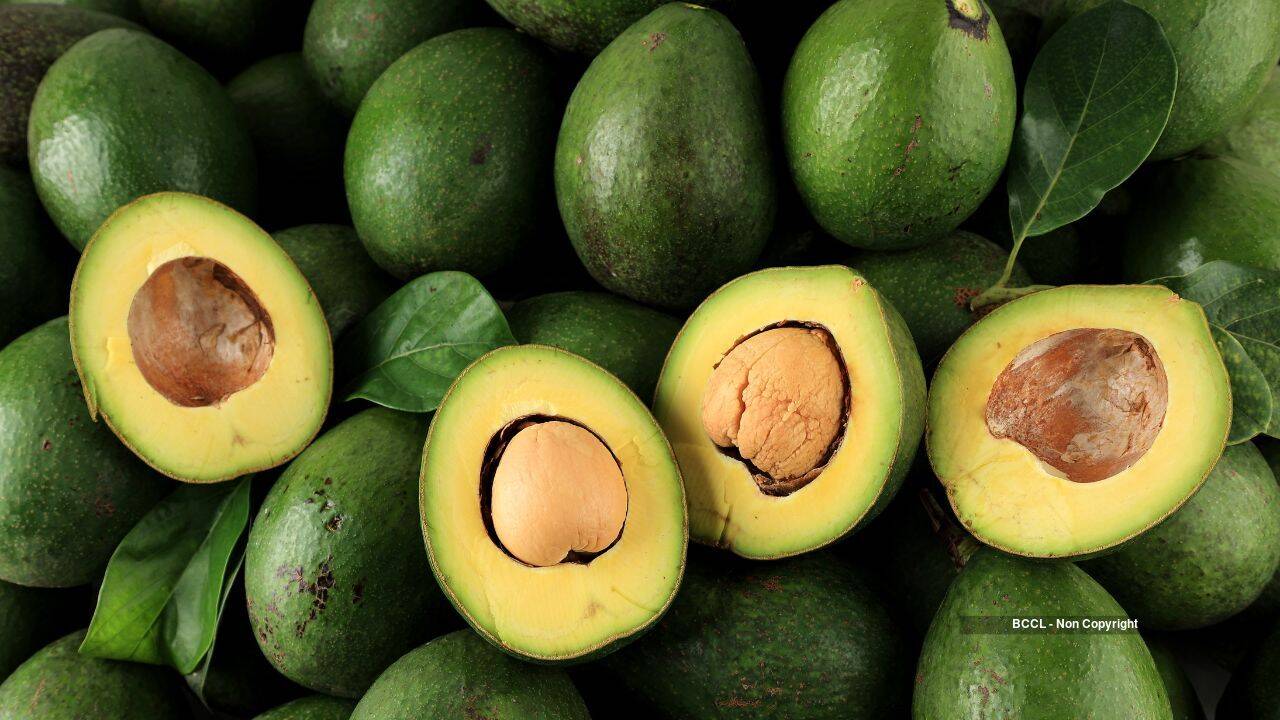
You grab another bag of chips and a bowl of guacamole, rarely thinking about where that green fruit came from. Most avocados consumed in America cross the southern border from Mexico. They taste great. But a strange environmental twist happened behind the scenes. Stricter trade policies actually cut chemical use and drove down nearby nitrogen pollution by about 10%.
It sounds backwards. Conventional wisdom tells you that massive export farming destroys local ecosystems. More demand usually means more fertilizer, heavy pesticide spraying, and toxic runoff choking local streams. Yet, a detailed analysis titled "Agricultural trade policy and water quality: evidence from the Mexican Hass Avocado Import Program" by Wiliam Townsend proves that rigid international oversight can create a cleaner agricultural footprint. Read more on a related subject: this related article.
The Rules That Changed the Game
Back in 2016, the United States opened its market wider to allow Hass avocados from expanded regions across Mexico. This sounds like an open door for commercial expansion, but it came with heavy fine print. Orchards wanting a piece of the lucrative U.S. consumer base had to comply with strict United States Department of Agriculture production standards.
They needed phytosanitary certificates proving their crops were clear of target pests like fruit flies and avocado weevils. Inspectors enforced rigorous oversight. If pesticide residues popped too high or pests slipped through, shipments faced immediate rejection at the border. Additional analysis by Mayo Clinic highlights similar views on this issue.
Suddenly, blanket spraying was a financial risk. Farmers couldn't afford to guess anymore.
Why Avocado Farming Used to Poison Water
Growing commercial fruit requires heavy inputs. Trees need nitrogen fertilizer to produce high yields of marketable fruit. When heavy rains hit steep orchard hillsides, excess nitrogen and synthetic chemicals wash straight into local rivers and streams.
This runoff feeds massive algal blooms. Algae sucks the dissolved oxygen right out of the water column, creating dead zones that kill fish and aquatic life. Downstream communities relying on those exact watersheds for drinking water face severe contamination risks.
Before 2016, routine calendar spraying was common practice. Growers dumped chemicals on a fixed schedule whether pests were present or not. It was lazy, cheap, and environmentally destructive.
The Power of Targeted Monitoring
When access to the American market hung in the balance, farmers changed tactics. Instead of spraying chemicals blindly on a calendar schedule, they adopted precision scouting.
Growers started setting insect traps, monitoring field conditions daily, and treating orchards only when actual pest infestations materialized. This targeted approach slashed total agrochemical applications. Because pesticides and nitrogen fertilizers are frequently managed together in large-scale agronomy, reducing one input naturally curbed the other.
Fewer chemicals applied meant fewer chemicals running off into local waterways. When researchers compared nitrogen levels near participating avocado regions against unaffected control areas, they recorded a clear drop of about 10% in water nitrogen concentrations.
What This Means for Future Trade Policy
Environmentalists usually treat global trade agreements as natural enemies. Economists often warn about "pollution haven" dynamics, where wealthy nations outsource dirty manufacturing or farming to countries with weak regulatory oversight.
This avocado case study shatters that assumption. Market access became powerful leverage. By tying border clearance directly to strict environmental and phytosanitary standards, importing nations can force positive behavioral changes thousands of miles away.
You don't always need to ban trade to protect nature. Sometimes, you just need to demand smarter rules. Check your local grocery store labels, support transparent supply chains, and remember that your next snack might carry a surprisingly positive ecological footprint.