The American beef industry is bleeding money, and the fallout is hitting factory floors hard. Tyson Foods just announced it is ending operations at its Joslin, Illinois beef facility and its Eagle Mountain, Utah case-ready plant, while actively trying to sell its Pasco, Washington processing site.
If you think this is just corporate downsizing, you're missing the bigger picture. We are staring down a historic cattle shortage. Herds have shrunk to levels not seen in decades, forcing meatpacking giants to slash their processing capacity just to stay afloat.
The Math Behind the Closures
Packers like Tyson are caught in a brutal financial squeeze. When cattle numbers drop, livestock costs skyrocket because processors have to bid aggressively against each other for a smaller pool of animals. At the same time, consumers are pushing back against record-high meat prices.
You can't pay record prices for live cattle and sell steaks at a loss without destroying your bottom line. Tyson's beef segment reported an operating loss of $138 million in a single quarter, with total segment losses for fiscal 2026 projected to hit up to $650 million.
This isn't an isolated incident. Competitors like JBS have also been forced to shutter or convert major facilities. When a plant like the one in Joslin, Illinois closes its doors—affecting roughly 2,500 workers—it signals that the old volume-heavy business model is broken.
Where the Industry Goes From Here
Tyson is restructuring its entire footprint around three massive, central hubs:
- Dakota City, Nebraska
- Holcomb, Kansas
- Amarillo, Texas
By consolidating production into fewer, high-efficiency plants, the company hopes to lower overhead and maximize output where it actually makes financial sense. For instance, the Amarillo plant, which was previously dialed back to a single shift, is ramping back up to two shifts as supply allows.
Yet, moving volume around doesn't create new cows. The root cause of this crisis is a severely depleted national cow herd. Years of punishing droughts across the western plains forced ranchers to liquidate their breeding stock. Compounding the issue, trade disruptions—such as the temporary border closures with Mexico to combat the New World screwworm pest—cut off a vital pipeline of incoming feeder cattle. While those borders are beginning to reopen, rebuilding a beef herd takes years, not weeks.
What This Means for You
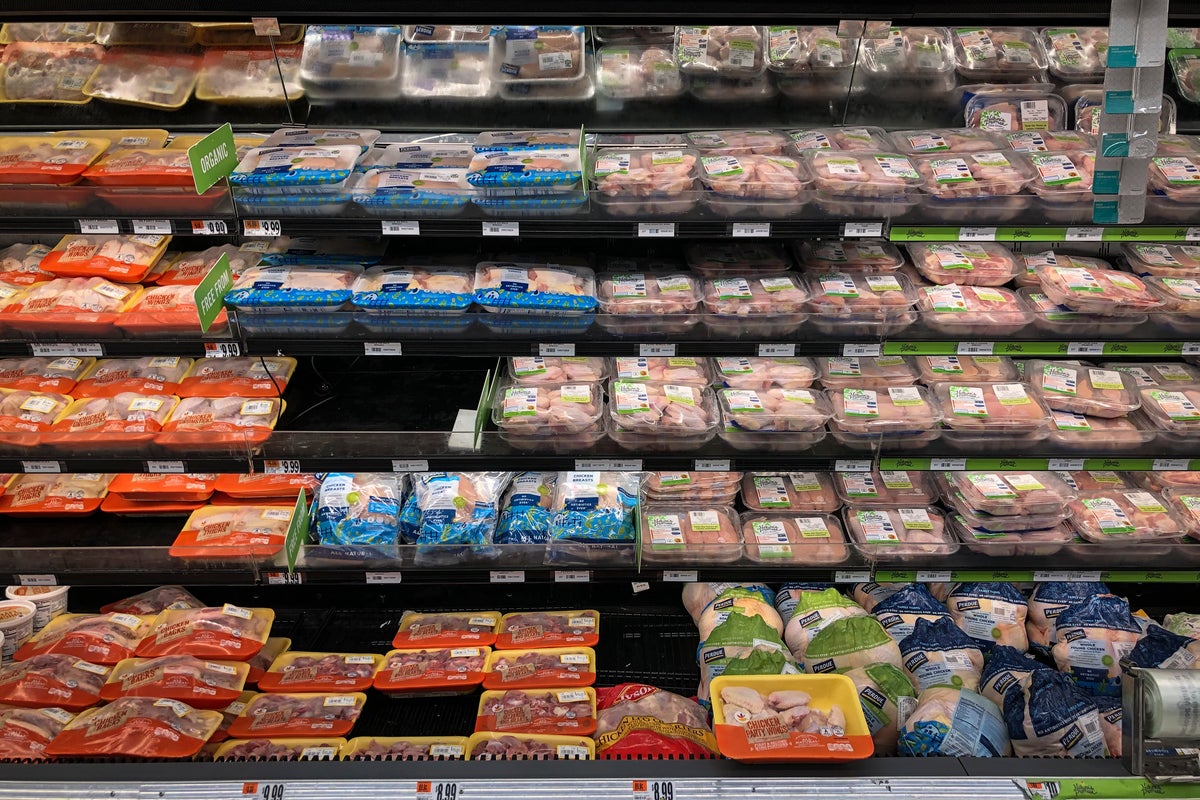
If you are hoping beef prices will drop anytime soon, lower your expectations. Meatpackers shrinking their capacity means fewer animals are being turned into retail cuts, keeping supply tight. Retail beef prices hit all-time highs, and grocery shoppers are already pivoting toward chicken and pork to escape the pain.
Expect local livestock markets to feel the shockwaves too. With fewer plants buying cattle in regions like the Midwest and the Pacific Northwest, local producers face tougher logistics and fewer competitive bids for their animals.
The structural shift in American meat processing is happening right now. Keep an eye on local grocery trends and expect protein aisle volatility to stick around as the agricultural sector slowly works its way out of this multi-year deficit.