The gavel dropped in Yerevan, and two hundred nations agreed to save the world. Again.
If you blinked, you missed it. The headlines were polite, tidy, and immediately buried beneath celebrity breakups and quarterly earnings reports. Two hundred nations at COP17 commit to biodiversity goals amid missed opportunities. That is how a dying planet gets reported when the press release is written by committee. Cold. Sterile. Easily scrolled past while waiting for your morning espresso to pull.
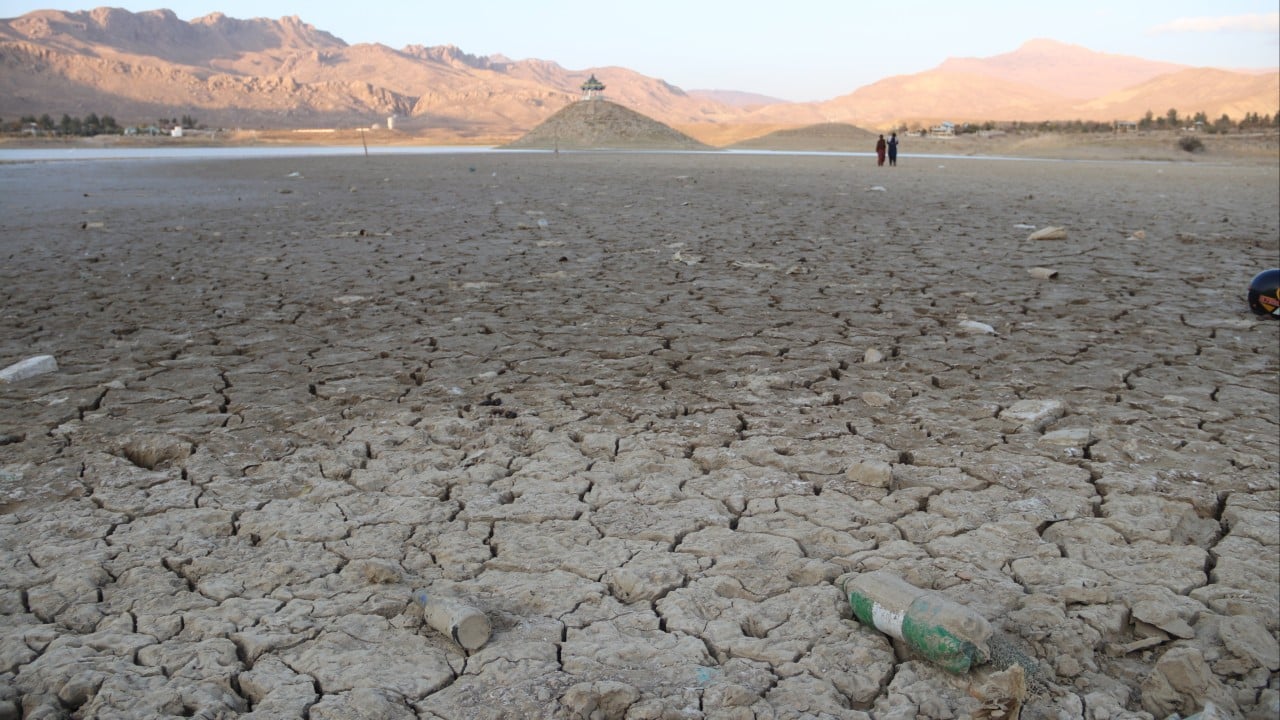
I have spent the last decade walking through the places those diplomats only see on PowerPoint slides. I have stood in the mud of drained coastal wetlands where the air smells like dead sulfur instead of salt, and I have watched farmers stare at silent orchards because the wild bees simply never showed up that spring. When you see ecological collapse up close, it does not look like a sudden, cinematic apocalypse. It looks like a slow erasure. First the insects stop hitting your windshield on summer drives. Then the frogs go quiet in the ditches. Then the soil turns to dust, and the grocery bill doubles.
To understand what actually happened at the 17th Conference of the Parties to the UN Convention on Biological Diversity—COP17—you have to look past the self-congratulatory handshakes in Armenia. You have to look at the math that keeps conservation biologists awake at three in the morning.
The Architecture of a Broken Promise
Four years ago, in Montreal, the world signed the Kunming-Montreal Global Biodiversity Framework. It was hailed as the "Paris Agreement for nature." The headline promise was simple enough to fit on a bumper sticker: protect 30 percent of the Earth’s land and oceans by 2030. Thirty by thirty. Clean. Memorable.
COP17 was supposed to be the great reckoning. It was the first global stocktake—the moment where countries showed up with their receipts to prove they were actually doing the work rather than just signing the checks.
Instead, the delegates arrived with excuses.
Imagine, as a thought experiment, a family whose house is actively on fire. In 2022, they gather on the front lawn and sign a legally non-binding pledge to buy three fire extinguishers by 2030. Four years later, the kitchen is gone, the living room walls are blistering, and they hold another meeting on the grass. They congratulate themselves on reaffirming their commitment to the extinguishers, argue for two weeks about who should pay for the nozzles, and agree to revisit the budget in 2028.
That is not a cynical exaggeration. That is the literal diplomatic record of COP17.
By the time delegates convened in 2026, only a fraction of the nearly 200 signatory nations had submitted updated, actionable National Biodiversity Strategies and Action Plans. Even fewer had aligned their domestic budgets with their international rhetoric. Globally, protected land still hovers stubbornly around 17 percent, and protected oceans sit barely above 8 percent. With less than four years left on the 2030 clock, humanity is failing its own open-book exam.
Elena and the Invisible Ledger
Let me introduce you to Elena. She is a hypothetical figure—a composite of three dozen small-scale coffee and cacao growers I have interviewed across Latin America over the past eight years—but her bank account is painfully real.
Elena farms twelve acres on a misty mountain slope. She does not read UN white papers. She does not know what "Target 3" or "resource mobilization" means in diplomatic jargon. What she knows is that three years ago, the cloud forest bordering her property was cleared for cattle pasture.
At first, nothing seemed to change. Then the dry season stretched three weeks longer than her grandfather ever remembered. Without the dense canopy of the cloud forest acting like a giant sponge, the mountain stopped holding water. The stream feeding her irrigation ditches shrank to a warm trickle. Next came the fungal rust, unchecked by the natural predators that used to live in the wild brush. Her harvest dropped by forty percent in two seasons.
Economists have a sterile term for what Elena lost: ecosystem services. It is a phrase designed to make nature palatable to spreadsheets. Think of biodiversity not as a collection of pretty animals in a zoo, but as the unseen wiring behind the drywall of your house. You do not think about copper wiring while you are watching television, right up until the house burns down. Pollinators, soil microbes, mangrove roots, predatory insects, deep-rooted prairie grasses—these are the wires. Roughly half of the global gross domestic product, an estimated $44 trillion, is moderately or highly dependent on nature.
When two hundred nations stall on biodiversity goals, they are not failing polar bears. They are cutting the copper wires behind Elena’s walls. And eventually, the power goes out in your kitchen, too.
The $700 Billion Blind Spot
So why did COP17 end with "missed opportunities" instead of a rescue plan? Follow the money. You always have to follow the money.
At the Montreal summit, rich nations promised to mobilize $20 billion a year by 2025 to help developing countries—the places that actually hold the vast majority of the world's remaining biodiversity—protect their forests and reefs. That figure was supposed to rise to $30 billion annually by 2030.
When the delegates sat down in Yerevan, the ledger was embarrassingly light. Developed nations had barely scraped together a fraction of the promised funds, bogged down by domestic inflation, defense spending, and political fatigue. Meanwhile, the actual annual funding gap to halt and reverse nature loss sits at roughly $700 billion a year.
Wait. Read that number again. Seven hundred billion dollars.
It sounds impossible until you look at the other side of the global balance sheet. Every single year, governments around the world spend an estimated $1.8 trillion—more than double the entire biodiversity funding gap—on subsidies that actively destroy the natural world. They subsidize industrial agriculture that strips topsoil, deep-sea trawlers that scrape ocean floors barren, and fossil fuel extraction that cooks coral reefs alive.
In Montreal, nations promised to identify and phase out at least $500 billion of these harmful subsidies by 2030. At COP17, when pressed to name which subsidies they had actually cut, almost nobody raised their hand. Cutting a subsidy means picking a fight with powerful domestic lobbies—agribusiness, mining conglomerates, industrial fishing fleets. Signing a vague declaration in Armenia costs a politician nothing at the ballot box. Taking away a fertilizer subsidy costs them an election.
So the diplomats did what diplomats do when the real choices are too politically expensive. They argued over punctuation.
The Language of Delay
I have sat in the fluorescent-lit overflow rooms of international climate and biodiversity summits, listening through translation headsets as grown adults spend six hours debating the difference between "shall," "should," and "encourages." It is enough to make you lose your mind.
At COP17, the central battleground was accountability. Without a strict, mandatory mechanism to penalize countries that miss their targets, the Kunming-Montreal framework operates entirely on the honor system. Imagine a tax code where paying is optional and the IRS is only allowed to write you a politely worded letter if you skip a decade of filings.
Several high-ambition coalitions pushed for hard compliance rules, demanding that countries failing to meet their 2026 benchmarks face public scrutiny and mandatory corrective plans. They were blocked by major agricultural and resource-exporting nations who insisted that sovereign development rights must come first. The resulting compromise—the Yerevan text—reaffirmed the 2030 goals in soaring, poetic language while leaving the enforcement teeth safely in the drawer.
There were bright spots, and intellectual honesty demands we acknowledge them. Indigenous peoples and local communities—who make up less than five percent of the world’s population yet protect eighty percent of its remaining biodiversity—won stronger formal recognition and direct-access funding pathways. For decades, conservation money flowed exclusively through massive Western NGOs and bureaucratic state ministries, losing half its value to administrative overhead before a single tree was protected. Routing funds directly to the people who actually live in the forest is the single smartest investment humanity can make.
New frameworks for digital sequence information—ensuring that when pharmaceutical or cosmetic companies use the genetic code of a rainforest plant to make a billion-dollar drug, the country of origin gets a fair cut—also edged closer to operational reality.
Progress? Yes. Enough? Not even close.
What Happens in the Silence
People often ask me why I still cover these summits if the outcomes are always diluted. It is a fair question. Sometimes I look at the data on the sixth mass extinction—species vanishing at rates tens to hundreds of times faster than the average over the last ten million years—and I feel a cold, paralyzing dread. I do not have a neat, optimistic bow to tie around this crisis. Anyone who tells you we are definitely going to hit the 2030 targets is either lying to you or hasn't read the latest satellite deforestation reports.
Hope, I have learned, is useless if it is passive. Hope is not waiting for two hundred ministers in tailored suits to find their courage in a conference hall.
Real action happens when the pressure from below becomes more terrifying to politicians than the pressure from corporate lobbyists. It happens when consumers stop buying products tied to illegal deforestation, forcing supply chains to clean themselves up faster than any UN treaty ever could. It happens when local voters demand that municipal pension funds divest from destructive industries, and when cities tear up useless turf grass to plant native pollinator corridors.
The diplomats have packed their bags and flown home from Yerevan. The press releases have been filed. The ink on the COP17 commitments is already dry.
Tomorrow morning, out on a misty mountain slope, Elena will walk down to her stream with a battered plastic bucket, kneeling in the mud to see if the water is still running. She will not be listening for the sound of a gavel. She will be listening for the hum of the bees.