Delhi isn't just a city. It's an arena where centuries collide, smash into each other, and somehow manage to keep moving. If you've ever tried to make sense of the capital, you know it splits into two entirely different universes. There is the old city, smelling of fried bread, smoke, and crushed marigolds, tangled in wires and stubborn history. Then there is the new city, all wide colonial avenues, glass office towers, and hushed diplomats nursing high-end whiskey.
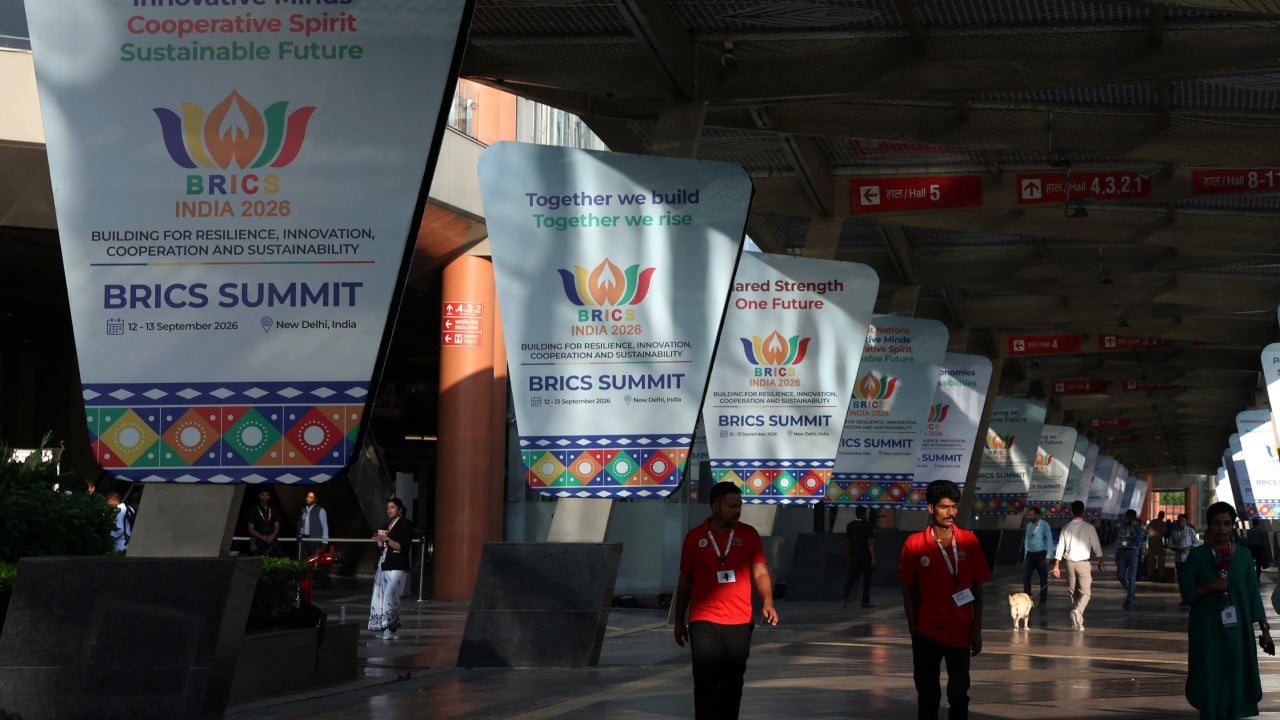
Every now and then, those two worlds don't just exist side by side. They crash headfirst into each other. That happened over a single weekend when a massive wave of global power players, artists, and diplomats descended on the capital. The occasion brought the entire world to the dinner table. It forced old Delhi and New Delhi to share the same spotlight. Most people missed the actual story while staring at the surface. Let's fix that.
The Myth of a Uniform Capital
People love to talk about India's capital as a singular block. That is lazy reporting. If you spend forty-eight hours on the ground during a high-stakes diplomatic weekend, you realize how fractured the geography really is.
You can stand in Lodhi Gardens at seven in the morning. Joggers weave past fifteenth-century tombs while dogs chase shadows in the damp grass. The air feels crisp, almost forgiving. Move fifteen miles north toward Chandni Chowk an hour later. The scale changes completely. Rickshaw pullers shout over traffic, vendors sizzle jalebis in giant vats of ghee, and power cables hang overhead like giant black noodles.
When international summits or cultural mega-events hit the city, they try to smooth over these contradictions. They pave the roads, plant millions of seasonal flowers overnight, and hide the rough edges behind green burlap fences. But Delhi refuses to be sanitized. The grit always bleeds through the paint.
When Global Palates Meet Local Chaos
Food tells the real story of any major gathering in this city. You can fly in Michelin-starred chefs from London or Tokyo, but they still have to contend with a culinary tradition that spans three thousand years and refuses to be boxed in.
During that weekend, high-profile dinners brought heads of state and global CEOs into private courtyards and restored heritage havelis. The menus attempted a dangerous dance. They tried to balance hyper-refined global dining with the punchy, unapologetic heat of North Indian spices.
Here is what actually happened behind closed doors. The international guests politely praised the delicate plating, but their eyes drifted toward the street food brought in from legendary local vendors. Nobody flies halfway across the planet to eat foam. They want the sharp kick of tamarind, the crunch of a samosa, and the rich, slow-simmered depth of a proper galouti kebab.
The Logistics Nightmare Behind the Magic
Hosting the world isn't clean. It's messy, expensive, and stressful. Behind every pristine photo op of world leaders shaking hands against a backdrop of red sandstone, thousands of municipal workers spent weeks working in brutal heat.
Traffic management turned into an extreme sport. Security cordons cut through neighborhoods that usually buzz with chaotic energy. Local shopkeepers found their regular routines turned upside down. Yet, you also saw the legendary Delhi jugaad—that stubborn, brilliant ability to improvise solutions out of thin air when things break down.
When a sudden downpour threatened an outdoor gala, local staff didn't panic. They mobilized dozens of people with bamboo poles and tarps within minutes, saving expensive sound systems and silk tablecloths from ruin. You don't read about that in official press releases. You see it when you watch people who have lived through monsoons and administrative chaos their whole lives take charge.
What Visitors Always Miss About the Two Delhis
Most foreign media coverage focuses on the contrast between extreme wealth and deep poverty. It's an easy narrative to write. It plays into tired clichés about ancient traditions meeting the modern world.
That framing is lazy. The real division isn't wealth. It's rhythm.
Old Delhi operates on human time. Relationships matter, trust is verbal, and business happens over endless cups of cardamom tea in tiny alleyways where your shoulder brushes the brick walls. New Delhi operates on bureaucratic and corporate time. It runs on tight schedules, email chains, security clearances, and air-conditioned boardrooms.
During that weekend, those two rhythms locked gears. Sometimes they ground against each other painfully. Sometimes they clicked into a surprising, beautiful harmony.
If you want to understand Delhi, stop looking for a neat conclusion. There isn't one. Take a walk through the ruins of Mehrauli at dusk, then grab a late-night roll in Khan Market. Feel the temperature shift, taste the smoke in the air, and watch how the city absorbs the entire world without ever losing its own stubborn identity.