The media wants you to believe Ankara just dodged a bullet. When headlines broke that Turkey flatly rejected any move toward operating out of a Syrian air base—fearing it would walk straight into an Israeli or Syrian government trap—pundits rushed to praise the restraint.
They called it cautious diplomacy. They called it avoiding escalation.
They are entirely wrong.
Turkey did not back down because of fear. Ankara stayed out because taking that base right now is an amateur move. Real geopolitical power isn't about planting flags on concrete strips you cannot hold; it is about writing the rules of engagement while your rivals bleed their treasuries dry maintaining them.
The Lazy Consensus Exposed
Every standard analysis of this situation relies on a tired, lazy premise: that physical presence equals influence.
Analysts look at a military installation, see a vacancy sign, and assume any regional player not rushing to fill it is losing ground. This is the same archaic logic that kept empires bogged down in the Hindu Kush and the deserts of Mesopotamia for decades.
Let us look at the actual incentives on the ground.
If Turkey takes over a contested Syrian air base, what do they instantly inherit? A permanent magnet for drone strikes, an administrative nightmare of hostile local insurgencies, and a direct, unbuffered friction point with Damascus, Tehran, and Jerusalem.
That is not a strategic asset. That is a liability disguised as a trophy.
I have watched state departments and defense contractors blow billions of dollars chasing brick-and-mortar footprints while losing the actual information war. Real leverage does not come from parking F-16s on foreign tarmac. It comes from controlling the trade routes, the water supplies, and the intelligence architecture that makes those air bases useless without your permission.
The Counter-Intuitive Reality of Absence
Refusing the base is not an act of submission. It is an act of supreme luxury.
Ankara understands a core principle that television commentators completely miss: why pay the heavy maintenance cost of direct occupation when you can dictate the economic and security terms of the entire northern corridor from across your own border?
By saying no to the base, Turkey achieves three things the media refuses to acknowledge:
- Zero casualty liability: No body bags returning to Ankara from an isolated desert outpost.
- Complete deniability: When local proxies clash, Turkish diplomats keep clean hands at the negotiating table in Astana and Geneva.
- Asymmetric chokeholds: Economic dependence on Turkish energy, currency, and trade corridors binds northern Syria far tighter than any runway ever could.
Imagine a scenario where a corporation spends millions buying a retail storefront in a dying mall just because it looks prestigious on a balance sheet, while their competitor takes over the entire digital logistics network surrounding it. That is the difference between occupying a Syrian air base and controlling the region's geopolitical gravity.
Dismantling the Trap Narrative
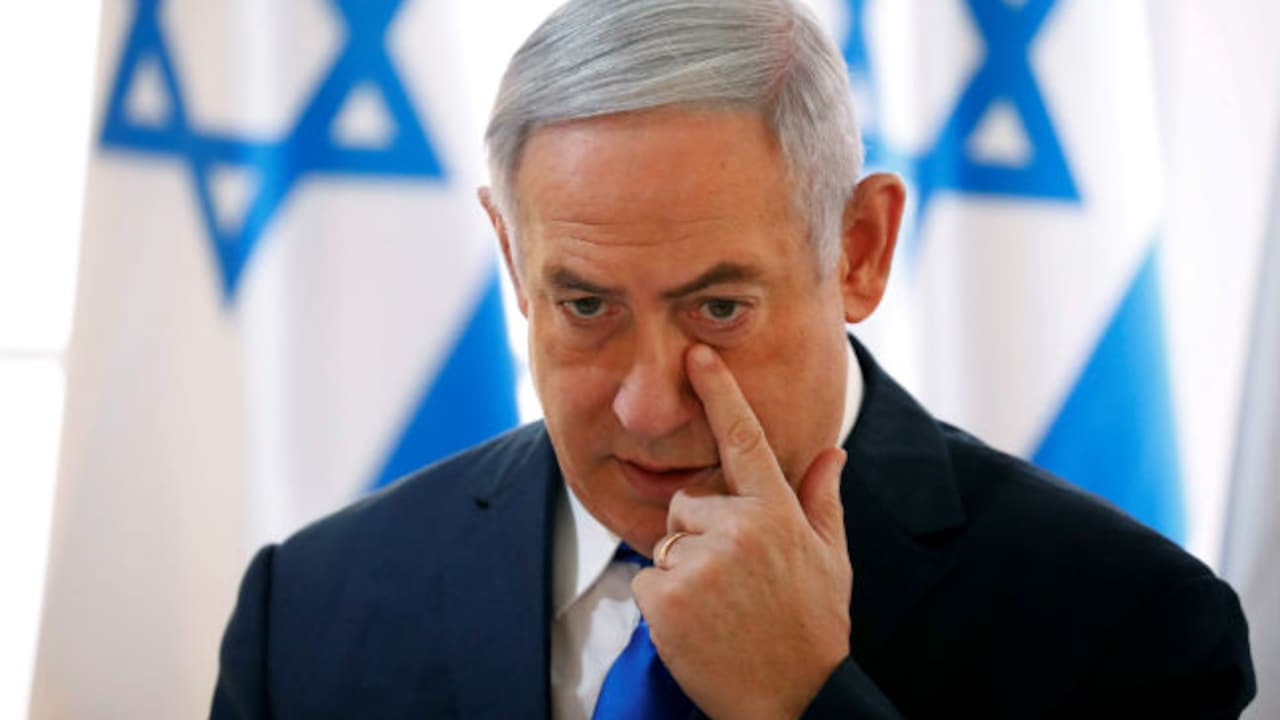
The phrase making the rounds in diplomatic circles is that establishing a footprint would walk Turkey into Benjamin Netanyahu's strategic trap.
Let us be brutally honest about that narrative: it flatters Israeli deterrence while infantilizing Turkish long-term planning.
Israel does not need a trap to deter Turkey from a suicidal tactical overextension. Ankara's intelligence apparatus, commanded by veterans who have spent a decade mapping every militia, intelligence asset, and supply line in the Levant, knows the exact cost-benefit ratio of every square meter of Syrian soil.
The hesitation isn't panic. It is cold calculation.
Turkey's modern doctrine isn't Ottoman revivalism through direct conquest; it is borderland immunization through drone dominance and economic integration. Why fly sorties from a vulnerable forward base when Bayraktar drones can launch from secure domestic soil, cover the exact same airspace, and return to hangars well out of artillery range?
The Uncomfortable Downside
Every contrarian strategy has a breaking point, and mine is no exception.
The danger of refusing physical footholds is that you cede physical terrain to actors who care less about economic efficiency and more about sheer, brutal persistence—namely, Iran and its regional militias. If Ankara relies purely on remote dominance and economic levers, they risk waking up to a fully entrenched Shia crescent that has cemented its tunnels and bunkers so deeply into the bedrock that no drone can dig them out.
That is the gamble. Turkey is betting that economic gravity beats ideological tunnel-digging over a ten-year horizon.
The Real Question You Should Be Asking
Stop asking whether Turkey is afraid of a trap.
The question you should be asking is why anyone still believes holding concrete runways matters in an era of precision standoff munitions and decentralized proxy warfare.
Ankara didn't dodge a trap. They just watched everyone else walk into one, and chose to stay home with the keys to the kingdom.