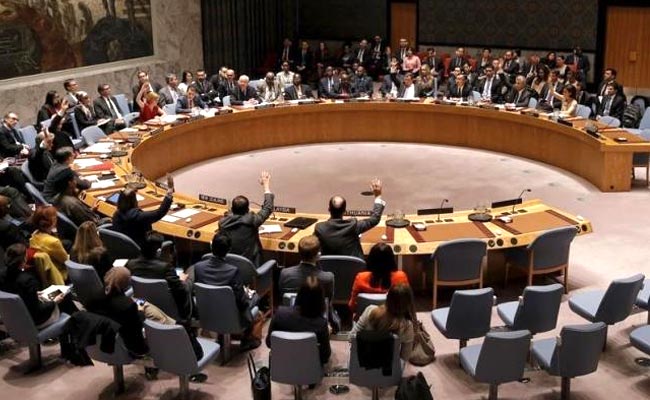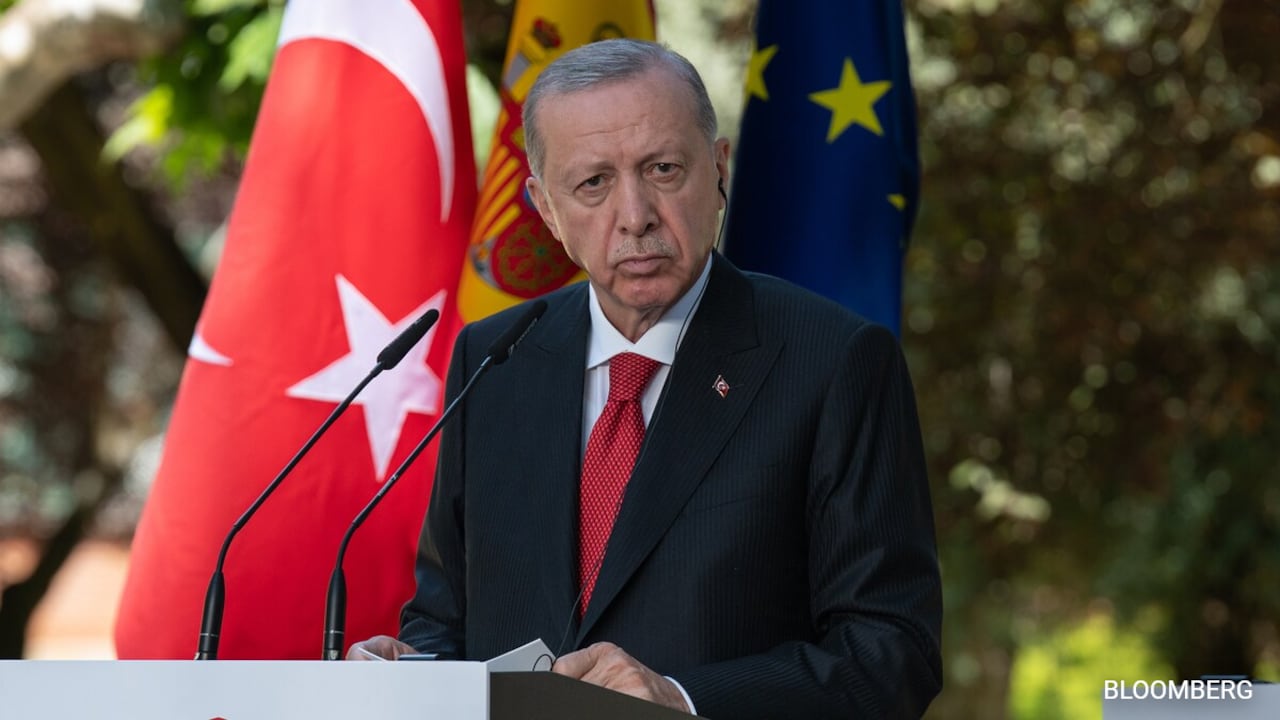
Five countries hold the keys to the entire global security apparatus. That arrangement stopped making sense decades ago. Turkey's recent push to overhaul the United Nations Security Council mirrors a growing global frustration. When Turkish President Recep Tayyip Erdoğan declared that the world is bigger than five, he wasn't just throwing diplomatic jabs. He was speaking a truth that most international relations experts whisper behind closed doors.
The current permanent members of the council—the United States, Russia, China, the United Kingdom, and France—secured their positions at the end of World War II. The year was 1945. Much has changed since then. Billions of people have been born, entire economic powerhouses have emerged across Asia, Africa, and Latin America, and geopolitical weight has shifted dramatically. Yet the apex of global decision-making remains frozen in the mid-twentieth century.
Why does this matter right now? Because global crises are multiplying. Climate change, nuclear proliferation, massive refugee flows, and regional conflicts require multilateral coordination. When the primary body responsible for maintaining international peace is paralyzed by vetoes, nobody wins.
The Veto Problem That Breaks Global Diplomacy
The core dysfunction of the UN Security Council comes down to a simple procedural weapon: the veto power. Any single permanent member can block a resolution, no matter how much global consensus supports it.
Think about how this plays out in practice. When geopolitical rivals sit at the top table, every major conflict becomes a proxy battleground for their disagreements. If a humanitarian crisis unfolds in a region where a permanent member holds strategic interests, meaningful intervention dies in committee.
Turkey's critique focuses heavily on this structural flaw. The argument is straightforward. Representation must reflect reality. If a council of fifteen nations is supposed to speak for nearly eight billion people, granting five countries absolute veto authority over everything is a recipe for irrelevance.
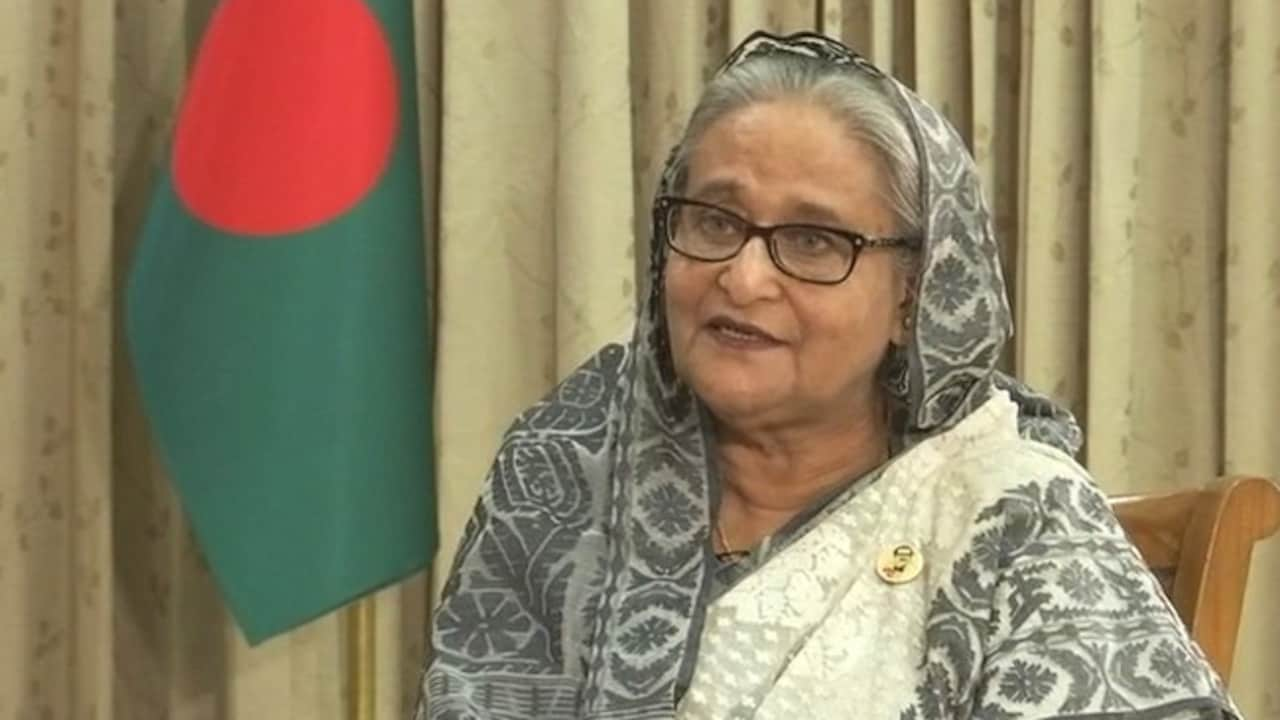
India has banged this drum for years. Prime Minister Narendra Modi and other senior Indian officials point out the absurdity of excluding the world's most populous nation from permanent leadership. You cannot claim to run a global governance organization while shutting out the global South.
What Reform Actually Looks Like
Critics of the current system often talk about expansion, but the details matter. Simply adding a couple of new permanent members without touching the veto mechanism just multiplies the gridlock.
True reform requires courage. Proposals usually fall into two camps.
First, expanding the permanent membership to include rising regional powers like India, Brazil, Germany, Japan, and representation from the African continent. This brings legitimacy back to the table.
Second, restricting or regulating the use of the veto in cases of mass atrocities or severe humanitarian crises. If a member state is directly implicated in a conflict, should they really retain the power to veto peacekeeping operations there? Common sense says no. Realpolitik usually says yes.
Turkey suggests a rotating system where all UN member states eventually get a seat at the permanent table over time, ensuring equal say for every nation regardless of economic size or military might. While that model faces steep uphill battles from entrenched powers, it keeps the debate centered on equity rather than raw power dynamics.
The Cost of Standing Still
Maintaining the status quo carries a heavy price tag. When international institutions fail to solve major conflicts, countries start taking matters into their own hands.
We see the rise of alternative minilateral blocs, regional security arrangements, and transactional diplomacy. Nations bypass the UN entirely when they need quick action. While regional coalitions can be effective, they lack the universal legitimacy and legal framework that a functioning global body provides.
If the United Nations wants to avoid the fate of the League of Nations, adaptation is mandatory. Dismissing calls for reform from major players like Turkey and India is short-sighted. The diplomatic pressure is building, and the cracks in the foundation are getting wider every
Why Turkey Wants to Break the UN Security Council Monopoly
news
The global diplomatic architecture is cracking. When Turkish leadership repeatedly declares that the world is bigger than five nations, they aren't just throwing rhetorical punches at a podium. They're voicing a frustration shared by a massive chunk of the planet.
Right now, five countries hold absolute veto power over international peace and security. That setup made sense in nineteen forty-five. It makes zero sense today.
Let's look at the math. The United Nations Security Council features five permanent members: the United States, Russia, China, the United Kingdom, and France. They call the shots. They block resolutions that hurt their strategic interests. They protect their allies no matter what. Meanwhile, entire continents like Africa and Latin America have zero permanent seats. Major economic powerhouses like India and Japan remain sidelined.
Turkey isn't shouting into the void alone. India has demanded structural overhauls for years, arguing that a council frozen in the mid-twentieth century cannot solve twenty-first-century crises. The current system rewards the victors of a war that ended eighty years ago. It ignores geopolitical reality.
The Cost of Deadlock
Why does this matter to you? Because global crises affect everyone, but a tiny club decides how to handle them.
Think about recent conflicts. When the Security Council faces a veto-wielding member state, it paralyzes entirely. The body designed to stop mass atrocities and maintain global stability finds itself handcuffed. Humanitarian crises drag on. War crimes go unchecked. Resolutions get watered down into toothless statements.
Turkey's critique targets this exact dysfunction. When President Recep Tayyip Erdogan campaigns under the banner that the fate of humanity shouldn't depend on the mercy of five states, he touches a nerve. Nations across the Global South are tired of being spectators. They want genuine representation. They want a system where a single veto cannot override the collective will of the international community.
Reform proposals float around constantly. Expanding the permanent membership seems obvious. Adding regional heavyweights sounds fair on paper. Yet the current permanent five love their monopoly. Giving up veto power means giving up global leverage. They aren't going to surrender that easily.
What Real Reform Looks Like
Fixing the United Nations requires more than cosmetic changes. Adding a couple of new permanent seats without voting power is a joke. Real change demands a reevaluation of the veto itself.
Proposals include restricting veto usage during mass atrocities or requiring at least two permanent members to block a resolution rather than just one. Other ideas focus on empowering the General Assembly to override a Security Council deadlock. If the Security Council fails to act, the broader UN membership should step in.
India brings a massive population, a booming economy, and a strong democratic footprint to the table. Turkey brings strategic bridge-building between Europe and Asia, alongside active diplomatic interventions. Their calls for reform aren't random complaints. They represent a shifting global balance of power.
The Path Forward
Diplomatic inertia is powerful. Change at the United Nations moves at a glacial pace because any charter amendment requires approval from two-thirds of the General Assembly and ratification by all five permanent members. Yes, the gatekeepers have to vote to strip themselves of power. Good luck with that.
Pressure works, though. As more nations unite behind structural changes, the moral and political cost of maintaining the status quo rises. Regional coalitions are forming outside traditional Western-led forums. Alternative economic and diplomatic blocs are growing. If the United Nations refuses to adapt, it risks becoming irrelevant.
Keep an eye on how mid-level powers coordinate their diplomatic strategies over the next few years. The push to rewrite the rules of global governance is picking up speed. The five permanent members can stall, but they cannot stop the rest of the world from demanding a seat at the head of the table.