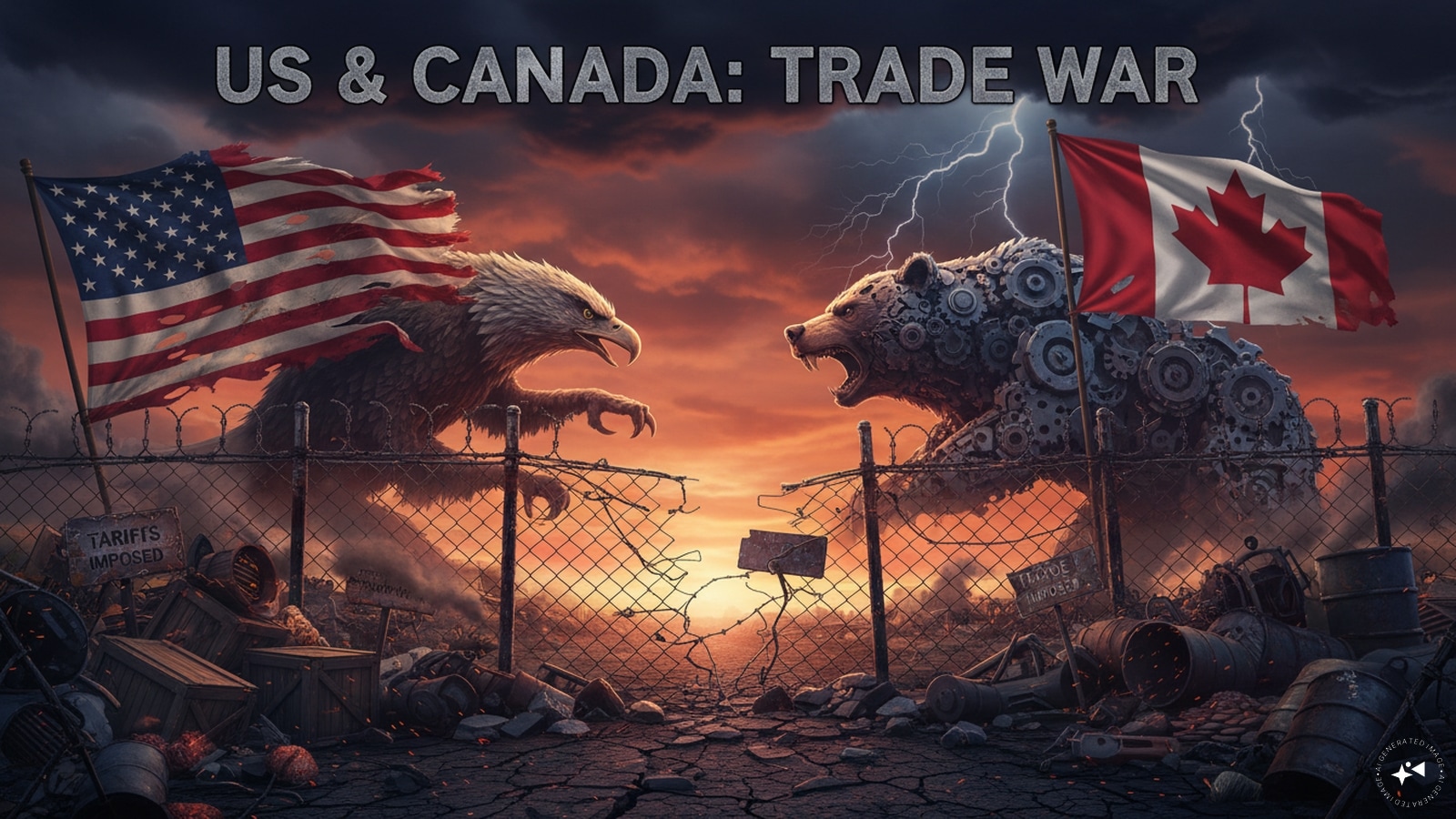
You’ve likely heard the headlines: President Trump just announced he’s jacking up tariffs on European cars and trucks to 25% starting next week. If you’re shopping for a BMW, a Mercedes, or even a Volkswagen, this isn't just "politics as usual." It's a massive shift that will hit your wallet directly. This move scraps the previous 15% ceiling established in the "Turnberry Agreement" and signals a return to a more aggressive "America First" trade stance.
Why now? Trump claims the EU isn't holding up its end of the bargain. He’s tired of seeing European streets filled with Fords and Chevys being a rarity while American roads are packed with Audis and Porsches. This isn't just about a trade deficit; it’s about forcing manufacturers to build their cars on American soil.
The Sticker Shock Is Real
Don't think for a second that automakers will just eat these costs. When a 25% tax hits a $60,000 SUV at the port, that cost flows down to the dealership floor. We’re talking about potential price hikes of $5,000 to $9,000 per vehicle for imported models.
Even if you buy American, you aren't safe. Modern cars are global machines. A "domestic" truck might use a transmission or specialized sensors imported from Germany. Last year, even domestic vehicle prices climbed by nearly $2,000 just because of rising material costs and component tariffs. If you’re waiting for car prices to "return to normal," this news is a cold bucket of water.
Who Gets Hit Hardest
- Luxury Buyers: Brands like Porsche and Audi, which import a huge chunk of their fleet, have almost zero wiggle room.
- The Used Car Market: When new cars become too expensive, everyone floods the used market. Expect prices there to stay high.
- European Workers: The EU estimates this could cost their manufacturers over 600 million euros a month.
The "Build Here or Pay Up" Strategy
Trump’s logic is simple: if you want to sell to Americans, you have to hire Americans. He explicitly stated that if these companies produce cars and trucks in U.S. plants, there will be zero tariff.
We’ve seen this work before, but it doesn't happen overnight. Building a factory takes years and billions of dollars. Volkswagen, Mercedes-Benz, and BMW already have massive footprints in states like Tennessee, Alabama, and South Carolina. They’re essentially playing a game of industrial chess. They’ll likely shift more production of high-volume models to these U.S. plants to dodge the tax, but niche models or high-performance cars will remain in the crosshairs.
The Supreme Court Hurdle
This latest move follows a chaotic legal battle. Earlier this year, the Supreme Court ruled that the President didn't have the authority to use emergency economic powers for these specific tariffs. For a moment, it looked like the trade war was cooling off.
But the administration pivoted. They’re now using national security investigations and different sections of the 1974 Trade Act to justify the new 25% rate. It’s a legal workaround that shows how determined the White House is to keep the pressure on Brussels. Brussels, meanwhile, isn't staying quiet. They’ve already hinted at "clarity and firmness," which is diplomatic speak for "we’re going to tax your bourbon, motorcycles, and jeans."
What You Should Do Right Now
If you’ve been eyeing a European-made vehicle, the clock is ticking. Once these tariffs kick in next week, the inventory already on lots might stay at current prices for a short while, but the next shipment will be significantly more expensive.
- Check the VIN: Look at the door sticker of the car you want. If it says "Made in Germany" or "Made in Hungary," it's a target. If it says "Made in USA," you have more leverage.
- Lock in Financing: Interest rates are already a headache. Combine a high rate with a 25% tariff jump, and your monthly payment could become unrecognizable.
- Watch the Retaliation: Keep an eye on what the EU does next. If they retaliate, it could affect a wide range of consumer goods beyond just cars.
The reality is that trade deals are often messy, but this specific escalation is a direct hit to the consumer. Whether you agree with the protectionist strategy or not, the immediate result is clear: cars are about to get a lot more expensive. If you’re in the market, move fast or prepare to pay the "import premium."