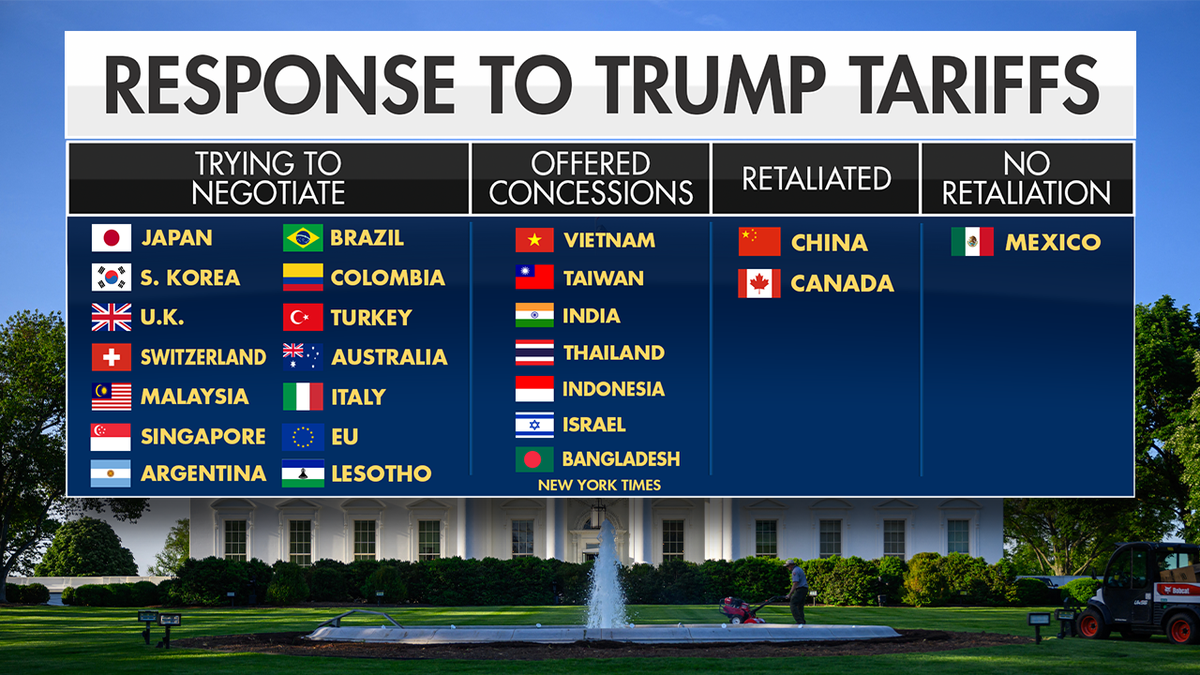
The headlines are bleeding. Pundits are shouting about trade wars, "protectionism," and the end of the global supply chain as we know it. They want you to believe that a 25% tariff on European vehicles is a death knell for the automotive sector.
They are wrong. Dead wrong.
The standard narrative—the one being peddled by lobbyists and soft-handed economists—is that these tariffs will simply raise prices for consumers and stifle innovation. That's a lazy take. It assumes the status quo was actually working. It ignores the reality that the European automotive industry has been coasting on a century of prestige while outsourcing its soul and falling behind on the only metrics that matter in 2026.
The Myth of the German Engineering Pedestal
For decades, we’ve been sold a lie that European cars are the pinnacle of engineering. We pay a "prestige tax" for BMWs, Audis, and Mercedes-Benzes under the assumption that we’re buying superior technology.
Look under the hood. The "technology" in most European ICE (Internal Combustion Engine) vehicles is a bloated, over-engineered mess designed more for planned obsolescence and high-margin service visits than for actual performance. While they were perfecting the twelve-step sequence to open a glove box, the rest of the world moved to software-defined vehicles.
The 25% tariff isn't a wall; it’s a mirror. It forces these manufacturers to reckon with a brutal truth: if your product can’t survive a 25% price hike, your brand equity isn't as strong as you think it is. If a Porsche or a Volvo is truly "essential," the buyer will pay. If they won't, then you’re just selling a commodity with a fancy logo.
Protectionism is a Dirty Word Used by the Lazy
Economists love to cite David Ricardo and comparative advantage. It sounds great in a textbook. In the real world, comparative advantage has been weaponized to hollow out the American industrial base while Europe maintains its own thicket of non-tariff barriers.
Try selling a high-displacement American truck in Paris. Between the carbon taxes, the registration fees based on engine size, and the physical infrastructure designed to exclude anything larger than a toaster, the EU has had "de facto" tariffs for years. They just call them "environmental standards."
Trump’s move isn't an unprovoked attack; it’s a rebalancing of a rigged scale. When we talk about "free trade," we usually mean trade that is free for everyone except the American worker. By slapping a 25% tax on these imports, the U.S. is finally demanding a seat at the table where the rules are actually enforced, not just discussed over champagne in Davos.
The "Tax on the Consumer" Fallacy
"But the prices will go up!" the critics scream.
Yes, the sticker price of a 3-Series might go up. So what?
The assumption that the American consumer is entitled to cheap luxury imports at the expense of domestic economic sovereignty is a fundamental misunderstanding of national interest. More importantly, it ignores price elasticity. If Mercedes wants to keep its market share in the U.S., they won't pass 100% of that cost to the consumer. They will eat it. They will cut their bloated executive bonuses, trim their redundant marketing budgets, and find efficiencies they claimed were impossible.
Or, they will do what they should have done years ago: build more here.
Forced Localization: The Only Real Path to Innovation
Real innovation doesn't happen in a vacuum. It happens where the wheels meet the pavement. When you force a company to manufacture in the market where it sells, you create a feedback loop that benefits everyone.
- Job Creation: This isn't just about "assembly." It’s about the tier-one and tier-two suppliers. It’s about the software engineers who need to be near the production line.
- Reduced Logistics Lag: Shipping a 4,000-pound hunk of metal across the Atlantic is an environmental and logistical nightmare. Tariffs incentivize a shorter, more resilient supply chain.
- Market Adaptation: When you build in America, you build for Americans. You stop trying to force-feed European urban design onto a country with different needs, different distances, and different infrastructure.
I’ve seen companies blow millions trying to "optimize" their transatlantic shipping routes to save 2% on costs while losing 20% in time-to-market. It’s a fool’s errand. The tariff ends the delusion that you can be a "global" brand without having deep local roots.
The Death of the Internal Combustion Engine (ICE) Subsidy
Let's get even more granular. Most European imports are still heavily weighted toward ICE or "mild hybrid" platforms. These are dead-end technologies. By making these vehicles more expensive, the tariff unintentionally—but effectively—accelerates the transition to full electrification and domestic battery production.
The EU has been lecturing the world on climate change while their primary export remains a fossil-fuel-burning machine. The hypocrisy is staggering. A 25% tariff is the ultimate "carbon tax" that the EU didn't have the guts to implement on its own darlings. It pushes the buyer toward domestic EV options that are already benefiting from the Inflation Reduction Act (IRA) incentives.
Dismantling the "Trade War" Fearmongering
Whenever a tariff is announced, the immediate response is a fear of retaliation. "What if they tax our bourbon? What if they tax our Boeings?"
Let them.
The U.S. trade deficit with Europe in the automotive sector is a chasm. We buy far more from them than they buy from us. In a trade war, the party with the largest deficit has the most leverage. We are the customer. And the customer is always right—especially when the customer decides to stop being a doormat.
Imagine a scenario where the EU retaliates by taxing American tech. They already are. Between the DMA (Digital Markets Act) and the constant stream of multi-billion dollar fines against American firms, the "war" has been going on for years. We’ve just been the only side not shooting back.
The Quality Paradox
There’s a persistent myth that "Made in America" means lower quality in the automotive space. This is a relic of the 1970s. Modern American manufacturing facilities—especially the newer plants in the South and the specialized EV hubs—are world-class.
The European "fit and finish" argument is a psychological trick. It’s the sound of a door thumping or the feel of a soft-touch plastic dashboard. It’s not actual reliability. In fact, many "German" cars sold in the U.S. are already built in Mexico or South Carolina. Did the quality vanish when they crossed the border? No. The brand just wants to keep the higher margin that comes with the "imported" label. The tariff strips away that mask.
A Brutal Truth for the EU
Europe has a choice. They can cry foul and retreat into a shell of protectionism, or they can actually compete. For too long, the European automotive giants have been "too big to fail," propped up by their respective national governments through various subsidies and sweetheart deals.
The 25% tariff is the cold water they need to wake up. It’s an invitation to stop relying on legacy prestige and start building vehicles that provide 25% more value than their domestic competitors. If they can’t do that, they don't deserve the market share.
The New Hierarchy
The era of the "global car" is over. We are entering the age of the "regional powerhouse." This isn't a step backward; it’s a step toward sanity.
- Supply chains will shorten, reducing the "just-in-time" fragility that nearly collapsed the world in 2020.
- Domestic labor will gain leverage, as companies are forced to compete for skilled workers to man the new American lines.
- Innovation will pivot from "how do we bypass regulations" to "how do we build the best tech in the world's most lucrative market."
Stop mourning the death of cheap European imports. Start celebrating the birth of a competitive, localized, and honest automotive market. The 25% tariff isn't a barrier to trade; it’s a prerequisite for a trade relationship that actually respects the American economy.
The party is over for the European car lobby. It’s time to start building.