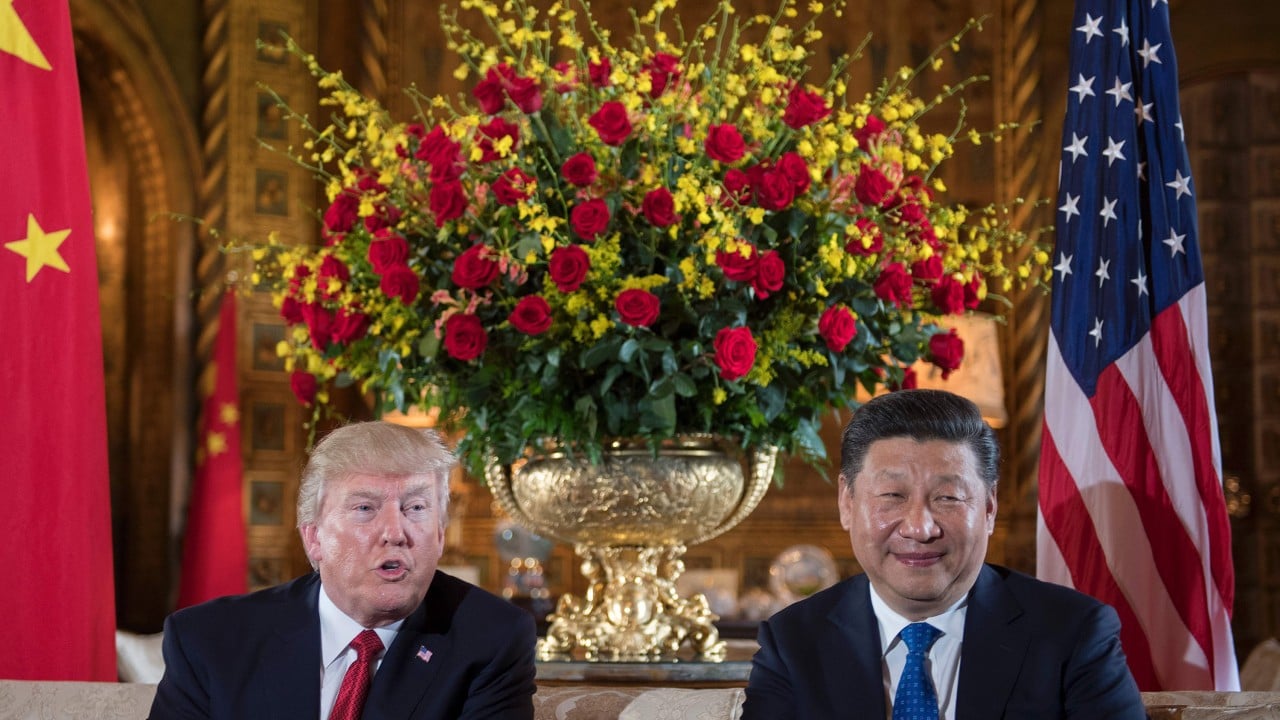
If you only paid attention to the headlines, you'd think the diplomatic bridge between Washington and Beijing just imploded.
President Donald Trump stood before national television cameras and accused the Chinese government of executing the largest election data compromise in history, alleging Beijing stole over 200 million voter records back in 2020. Beijing fired right back, calling the accusations entirely fabricated political theatre.
Standard political drama would dictate an immediate cancellation of upcoming high-level summits. Yet, behind closed doors, advance teams are still hammering out logistics for Chinese President Xi Jinping’s scheduled trip to Washington this September.
Secretary of State Marco Rubio confirmed as much, publicly noting that prep teams are quietly moving forward.
So why isn't this latest rhetorical explosion derailing the summit? Because under the current reality of U.S.-China relations, public bluster and practical dealmaking have been completely decoupled. Both sides know exactly what the other is doing, and neither wants to throw away a fragile economic balance over predictable domestic soundbites.
Public Rhetoric Versus Private Diplomacy
The disconnect between public accusations and diplomatic reality isn't a glitch—it's the core strategy.
When Trump publicly airs allegations regarding past elections or foreign interference, it plays directly to his domestic base, establishing leverage and setting a firm public posture. Chinese officials are thoroughly familiar with this playbook. They've navigated similar rhetoric through previous cycles involving trade tariffs, spy balloon sagas, and fentanyl supply chains.
Beijing’s official response follows its own well-rehearsed script:
- Issue a sharp rejection through the Foreign Ministry spokesperson to defend national pride.
- Label the claims as groundless fabrications meant to defame China.
- Keep diplomatic communication channels completely open behind the scenes.
Both leaders operate on a pragmatic understanding that direct personal contact is indispensable. After meeting in Beijing earlier this year, neither executive wants to pull the plug on a September summit that serves broader strategic interests.
The Real Agenda Driving the September Summit
The political theater grabs headlines, but actual economic pressures dictate foreign policy decisions. Neither power can afford a complete freeze in relations right now.
For Washington, maintaining a stable trade environment remains critical. Economic friction, supply chain anxieties, and ongoing geopolitical fires mean keeping Beijing in a state of managed competition rather than outright hostility.
For Beijing, the stakes are equally high. Xi faces domestic economic headwinds and an increasingly complex international landscape. A high-profile visit to the U.S. signals stability to global markets and proves to a domestic audience that China remains on equal footing with the world's primary superpower.
Beyond baseline trade, a web of critical friction points requires direct leader-level management:
- Tech Dominance and AI Rules: China recently spearheaded an international framework for artificial intelligence governance, intentionally excluding the United States. Meanwhile, U.S. tech firms continue pressing Washington to manage competition while keeping market access alive.
- Media and Visa Restrictions: The reinstatement of strict 90-day visa caps on Chinese journalists adds immediate tactical friction that needs high-level resolution.
- Regional Security Wildcards: Ongoing instability across global shipping lanes and regional hot spots demands constant backchannel coordination, even when public statements suggest total gridlock.
What Comes Next for U.S. China Relations
Don't expect the grand rhetoric to quiet down as September approaches. If anything, political commentary will get louder as domestic political calendars tighten.
To track where the relationship is actually heading, ignore the primetime speeches and watch these specific indicators instead:
- Working-Level Side Meetings: Track regional gatherings, such as ASEAN ministerials, where foreign ministers like Marco Rubio and Wang Yi quietly align summit agendas away from public cameras.
- Business Delegation Signings: Watch for commercial flight paths, agricultural commitments, or energy sector deals that usually accompany these summits—they tell you where the real money and policy priorities sit.
- Targeted Policy Carve-Outs: Pay attention to whether tech sanctions or visa rules get quietly adjusted as bargaining chips right before the delegation lands.
The reality of modern diplomacy between major powers is simple: noise is expected, but necessity rules. As long as economic interdependency outweighs the political benefit of a total fallout, the prep teams will keep booking the rooms.