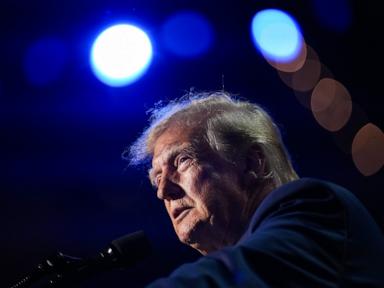
Conventional political analysis treats the midterms as a referendum on the incumbent party. This framework is obsolete. When Donald Trump stood at the Republican midterm convention in Dallas and commanded voters to pretend he was on the ballot, pundits dismissed it as garden-variety narcissism. They missed the mechanics entirely.
Trump is not trying to inflate his own ego. He is executing a hostile takeover of structural political gravity.
Every modern midterm follows a predictable decay curve. The party in power loses seats because midterm electorates are older, whiter, wealthier, and profoundly more pissed off than presidential-year electorates. Complacency settles in. The opposition mobilizes out of spite. Standard strategists respond by telling endangered incumbents to distance themselves from the national brand, hug a local bridge, and talk about municipal water systems.
Trump looked at that playbook and set it on fire.
By demanding that candidates chain themselves directly to his administration—complete with a theatrical $5,000 "Trump dividend" check promised to every citizen if Congress stays red—he is stripping away local nuance and turning every single House and Senate race into a binary loyalty test. Vulnerable Republicans running in swing districts are sweating through their cheap suits because they know local races are supposed to be localized. But Trump understands a brutal truth about modern media consumption: there are no local races anymore. There is only nationalized culture war combat.
Consider the alternative. If a marginal incumbent tries running on local infrastructure projects while oil prices hover past one hundred dollars and voters stress over cost-of-living metrics, they get swallowed by national economic anxiety. Running as an independent municipal manager fails when the voter standing in front of you views your vote through the lens of a polarizing Washington executive. Trump knows his base does not vote for a congressman's subcommittee assignments. They vote for a tribal identity.
The mainstream press fixated on the empty seats and the awkward absences of swing-district Republicans who skipped Dallas to campaign in isolation. That is looking at the scoreboard during the first quarter and ignoring the playbook. The strategy relies on a simple trade-off: alienate the marginal suburban moderate who was probably going to vote against the White House anyway, and juice turnout among low-propensity populist voters who only crawl out of the woodwork when Trump’s name is flashing in neon.
It is a high-variance gamble that treats congressional majorities not as legislative bodies to be protected by cautious triangulation, but as infantry units in an ongoing executive campaign. When you promise a trillion-dollar cash distribution contingent on keeping both chambers, you stop being a party leader offering policy proposals and start acting like a casino boss running a high-stakes loyalty promotion.
The pundits telling you this speech was a desperate blunder are looking at twentieth-century electoral maps. Watch what happens when low-propensity districts turn out anyway because the entire ballot has been flattened into a referendum on a single man.