Foreign policy has officially entered the era of deepfakes and digital theater. When US Vice President JD Vance recently stepped up to reporters at Joint Base Andrews and calmly explained that an artificial intelligence video of an oil hub exploding was just "sending a message", he said the quiet part out loud. Donald Trump didn't order an actual strike on Iran's Kharg Island. Instead, he posted a synthetic clip on Truth Social showing the vital terminal blown to pieces, accompanied by text declaring the country dead and failed.
If you are trying to parse how modern statecraft works when run through social media algorithms, you have to look past the digital smoke and mirrors. Let's break down what actually happened, why the White House is leaning on synthetic media tactics, and what this means for the ongoing conflict in the Gulf.
The Reality Behind the Kharg Island Digital Post
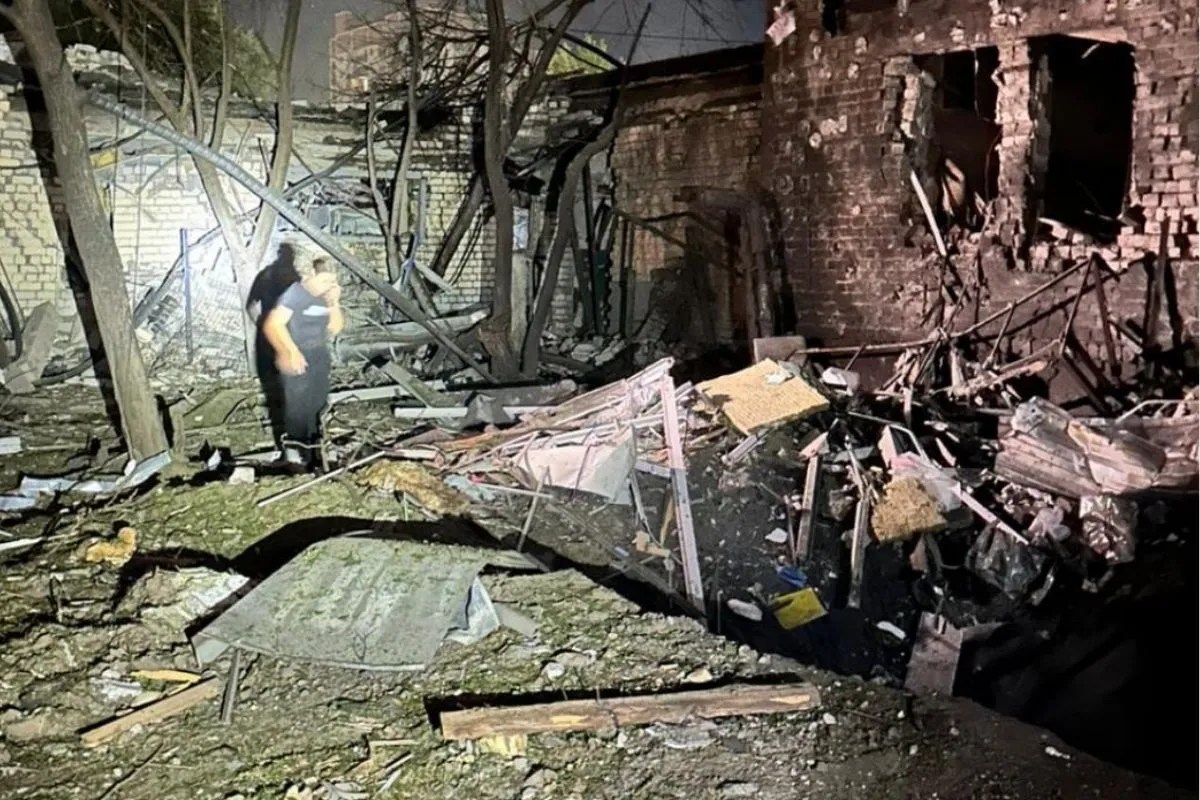
The video in question didn't come from a Pentagon briefing room or a classified drone feed. Independent checks by news agencies and digital forensics experts confirmed the clip was synthetically generated using AI video tools. It depicted fiery explosions raining down on Kharg Island, the strategic Gulf facility responsible for processing roughly 90 percent of Iran's oil exports.
Iranian officials immediately pushed back, calling the claims laughable and confirming that physical operations on the island remained entirely calm and uninterrupted. The US Department of Defense also distanced itself from the imagery, clarifying that American forces had not targeted the oil hub during overnight strikes.
So why would a sitting US administration amplify a fake video of a catastrophic infrastructure strike? Vance answered that directly by noting that the president likes to switch things up online and use available diplomatic tools to deter attacks on commercial shipping in the Strait of Hormuz.
Deterrence Through Digital Shock Value
The underlying goal of the post wasn't military execution; it was psychological pressure. Shipping lanes in the Middle East have faced relentless disruptions, with commercial vessels drawing fire and regional tensions boiling over. By floating digital imagery of Kharg Island's destruction, the White House is trying to impose a heavy psychological cost on Tehran without instantly triggering an all-out regional energy shock.
An actual, physical strike on Kharg Island would wipe out the bulk of Iranian crude exports, sending global oil markets into a tailspin and spiking fuel prices worldwide. By substituting a real kinetic attack with an artificial intelligence simulation, the administration signaled what could happen if commercial vessel harassment continues, keeping Tehran guessing while avoiding immediate escalation into a full-scale economic catastrophe.
The Broader Military Context on the Ground
While the viral video dominated headlines, actual military movements remained limited. US forces recently targeted Iranian naval mine launchers on Larak Island, marking the first direct exchange of fire between the two nations in weeks. In response, regional proxies or allied forces launched retaliatory missiles toward US-linked positions in places like Jordan and the United Arab Emirates, though air defense systems intercepted them.
This hybrid approach—combining minor kinetic enforcement on remote missile sites with high-visibility psychological messaging online—illustrates how modern conflicts are fought on two distinct fronts. Traditional artillery meets digital fabrication, where a synthetic video clip serves as a diplomatic warning shot.
Watch how oil markets react to subsequent digital threats and monitor official Pentagon updates rather than social media feeds to separate actual military escalations from online posturing.
JD Vance Asked About Trump's AI Video Showing Kharg Island Bombing
This video report covers JD Vance's press remarks addressing the viral artificial intelligence clip and the strategic messaging directed at Tehran.