Don't hold your breath for a quick end to the conflict in the Middle East. President Donald Trump made it clear today that he isn't buying what Tehran is selling. After weeks of back-channel drama and a shaky ceasefire that feels more like a pause button than a peace plan, Iran dropped a new proposal on the desk of Pakistani mediators. Trump’s response? A blunt "not satisfied."
He didn’t stutter when he told reporters at the White House that the current offer just doesn't meet his standards. "They want to make a deal, I'm not satisfied with it, so we'll see what happens," Trump said. It’s classic Trump—keeping the pressure high and the cards close to his chest while the world watches oil prices swing like a pendulum.
The High Stakes of the Hormuz Chokehold
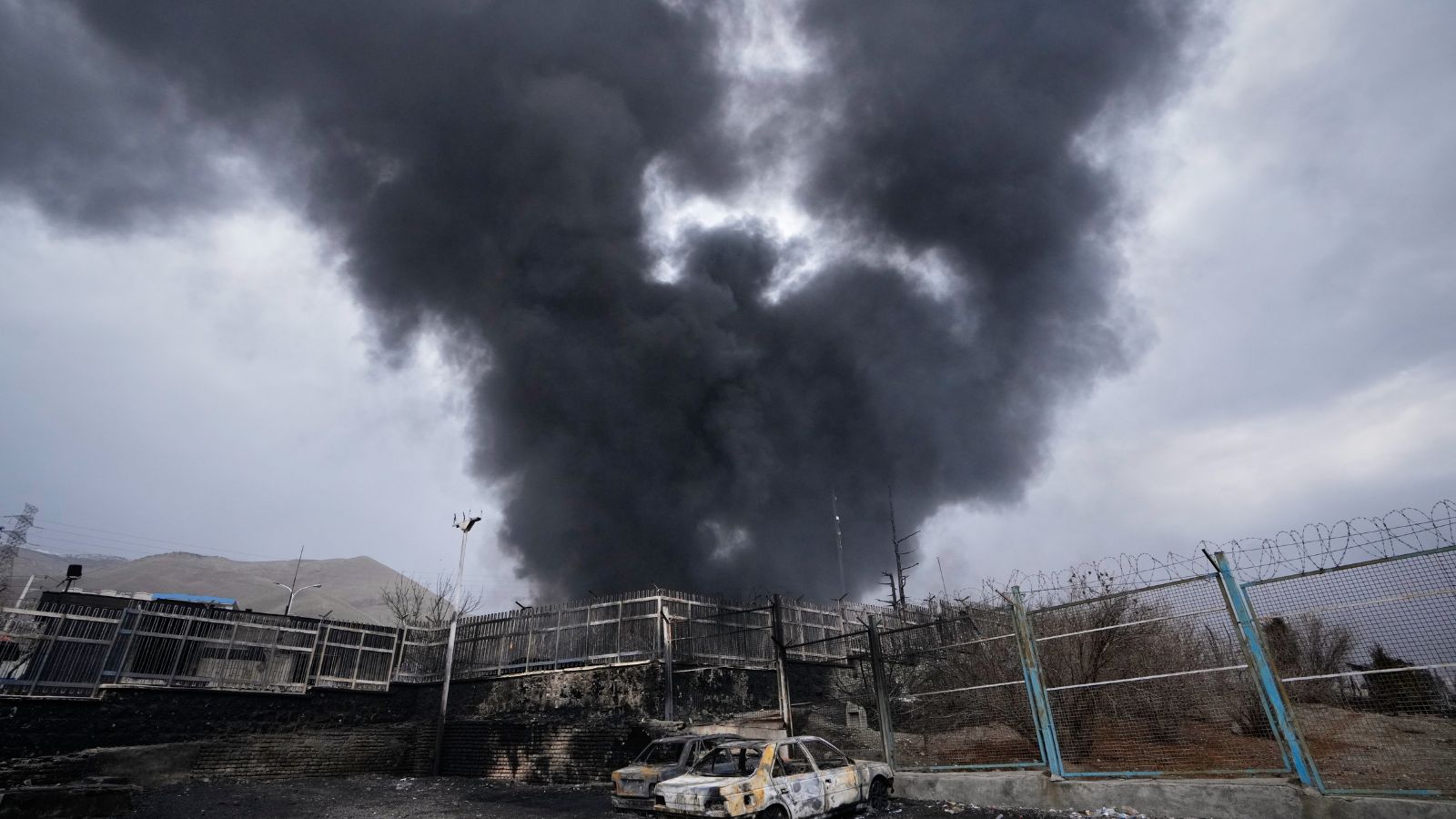
The real reason this matters to your wallet is the Strait of Hormuz. Right now, about 20% of the world’s oil and gas is stuck behind a geopolitical wall. Iran has been using its control over the waterway as its biggest bargaining chip, while the U.S. Navy maintains a suffocating blockade to keep Iranian tankers from leaving port.
When news of a "new proposal" first leaked, Brent crude oil prices actually dipped. But once Trump voiced his disapproval, that optimism evaporated. We’re looking at oil hovering near $126 a barrel. That isn't just a number on a screen; it’s a direct tax on everything you buy. If the Strait stays closed, those prices are staying up.
What’s Actually in the Proposal
While the official text is still under wraps, the leaks coming out of Islamabad and Tehran tell a story of a regime trying to save face. Iran’s 10-point plan reportedly focuses on a few key demands that are non-starters for the current administration.
- Sanctions Relief First: Tehran wants the U.S. to unfreeze billions in assets before they commit to permanent nuclear curbs.
- The Transit Fee Gambit: In a move that feels like a toll road from hell, Iran suggested charging fees for vessels passing through the Strait of Hormuz as part of the "security" arrangement.
- The Nuclear Delay: Iran is pushing to postpone discussions about its uranium enrichment levels, wanting to focus on the immediate ceasefire instead.
Trump’s "not satisfied" stance likely stems from that last point. He’s been vocal that there’s no deal without a total, verifiable halt to Iran’s nuclear ambitions. You don't get the money back until you stop the centrifuges. That's the baseline.
The Disjointed Leadership Problem
Trump noted something today that’s been an open secret in intelligence circles: the leadership in Tehran is a mess. He described them as "disjointed" and "all messed up." It’s a fair assessment. You have the Presidency trying to play diplomat through Pakistan while the IRGC (Revolutionary Guard) continues to issue defiant statements about "burying Americans in the Gulf."
It's hard to negotiate with a government that can't decide if it wants to be a country or a cause. If the diplomats offer a ceasefire but the hardliners keep the missiles aimed at U.S. bases, any proposal is basically just paper.
Why the Pakistan Backchannel is Stalling
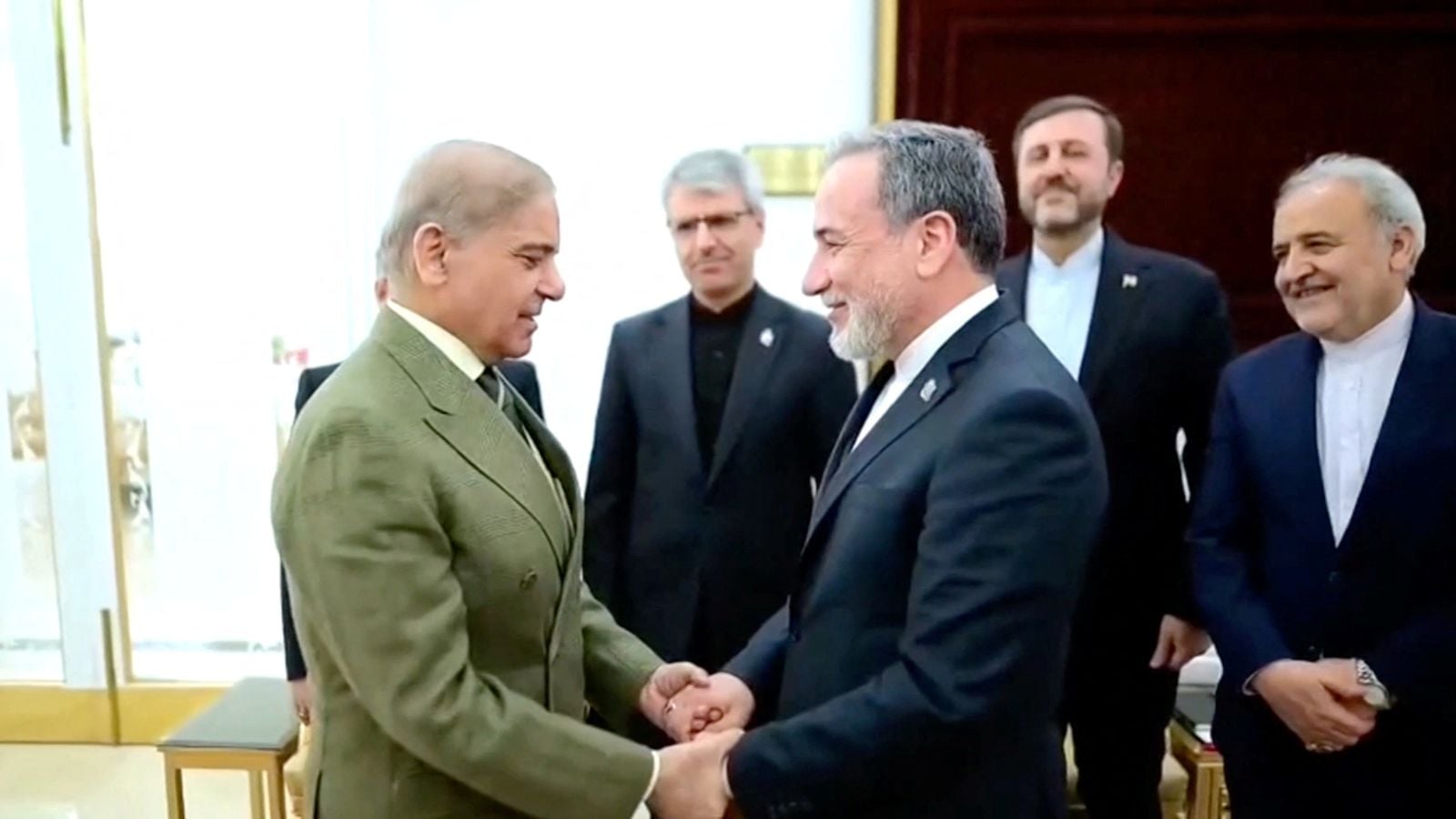
Pakistan has been the unsung hero—or at least the busiest middleman—in this war. They’ve been shuttling messages back and forth since the April 8 ceasefire began. But there’s a limit to what a mediator can do when the two principals aren't even in the same room.
Trump cancelled his envoys’ trip to Pakistan last week, opting for phone diplomacy instead. That’s a sign of low trust. You don't skip the meeting if you think a breakthrough is five minutes away. He’s waiting for them to get desperate enough to cave on the nuclear "red lines" set by the White House.
The May 14 Deadline
There's a clock ticking in the background. Trump is scheduled to meet with Chinese President Xi Jinping on May 14. China is Iran’s biggest customer and they’re getting tired of the high energy costs and the shipping chaos. Iran likely thinks they can use this summit as leverage, hoping Trump will want a "win" to show off to Xi.
But Trump isn't a fan of "participation trophy" deals. He’s looking for what he calls "unconditional surrender" on the nuclear front. If Iran thinks they can squeeze a weak deal out of him just because a summit is coming up, they haven't been paying attention for the last decade.
What Happens Next
If you’re looking for a resolution, watch the Strait of Hormuz. That’s the only metric that matters.
- The Blockade Stays: Don't expect the U.S. Navy to budge. The blockade is the only thing keeping Iran at the table.
- Oil Volatility: Expect Brent crude to stay in the $115–$130 range. Every time a "proposal" is rejected, the market will jump.
- The Enrichment Moratorium: Diplomats are whispering about a 10-year pause on uranium enrichment as a possible compromise. Iran hasn't bitten yet, but it might be the only way out of the corner they’ve painted themselves into.
The ceasefire is still technically holding, but it’s paper-thin. Both sides have accused the other of violations since early April. It’s a "cold war" within a hot war, and until Iran offers a deal that doesn't involve "toll fees" for international waters or vague promises on nukes, the U.S. is going to keep the pressure on. Honestly, the regime is running out of time and cash. Trump knows it, and he’s clearly willing to wait them out.