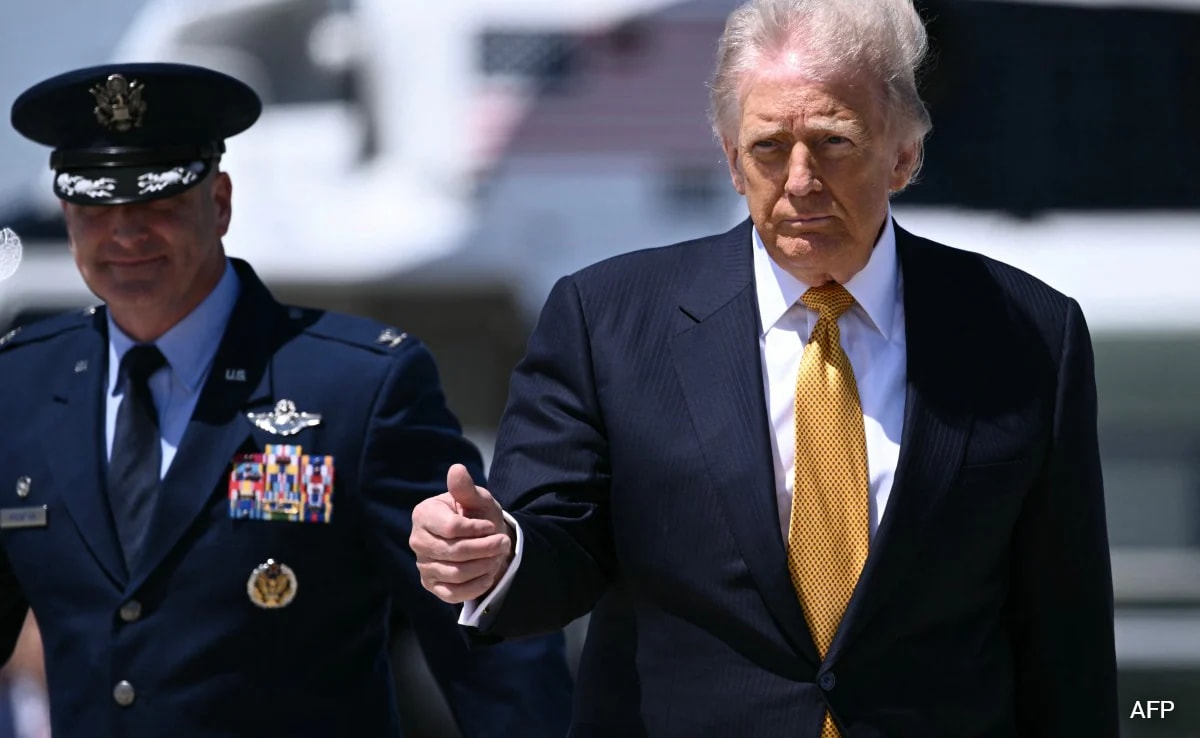
Donald Trump just touched down in Beijing. This isn't just another photo op or a chance to walk the Great Wall. The stakes for this meeting with Xi Jinping are incredibly high because the White House is juggling two massive problems at once: a Middle East on the brink and a trade deficit that's spiraling out of control. Most analysts focus on the optics, but the real story is about how Trump plans to use China's reliance on Iranian oil as a bargaining chip for American factories.
He’s not there to play nice. He’s there to demand that China picks a side.
The Iran Problem Is Actually A China Problem
You can’t talk about Iran without talking about who keeps their lights on. China is the biggest buyer of Iranian crude oil. For years, Beijing has acted as a financial life raft for Tehran, allowing them to bypass various international pressures. Trump knows this. His strategy is simple: if he can get Xi to squeeze Iran’s wallet, the regime in Tehran loses its ability to fund proxies across the region.
It’s a bold move. China likes stability, but they also like cheap energy. By bringing Iran to the table in Beijing, Trump is essentially telling Xi that China’s global reputation is tied to the behavior of its partners. If Iran continues its path toward nuclear enrichment or regional escalation, Trump will argue that China bears the responsibility for not using its unique economic leverage.
Is Xi going to budge? Probably not without a fight. But Trump’s team is betting that China values its relationship with the U.S. consumer market more than it values a few million barrels of discounted Iranian oil. It’s a high-stakes game of geopolitical chicken.
Trade Wars And The Quest For A Level Playing Field
The trade deficit between the U.S. and China isn't just a number on a spreadsheet. It’s a political lightning rod that helped put Trump in office. He’s going into these meetings with a list of grievances that hasn't changed much in years: intellectual property theft, currency manipulation, and those massive subsidies for Chinese state-owned enterprises.
He’s looking for a "grand bargain." This isn't about incremental changes or polite agreements to keep talking. Trump wants big, flashy purchase orders for American goods—think Boeing planes, Iowa soybeans, and Texas natural gas. He wants to go back to his base and show them tangible proof that he’s "winning" on trade.
But here’s the thing. The Chinese aren't just going to hand over their economic model because the U.S. asks them to. Xi Jinping has his own "China Dream" to protect. He wants China to be the world leader in tech and manufacturing by 2049. Giving in to U.S. demands on IP protection or state subsidies would mean slowing down China’s own climb to the top. This is why these talks often feel like two people speaking different languages even with the best translators in the room.
Why This Meeting Is Different From The Others
We’ve seen these summits before. Usually, they’re scripted, boring, and filled with platitudes about "mutual respect." This one feels different because the U.S. is increasingly willing to walk away. The administration has shown it’s comfortable using tariffs as a primary tool of diplomacy, something that genuinely rattled Beijing during the first round of trade wars.
China is also dealing with its own internal pressures. Their economy isn't the unstoppable juggernaut it was a decade ago. Growth is slowing. The property market is shaky. Xi needs a stable external environment to manage these domestic headaches. Trump knows he’s walking into the room with a certain amount of leverage that wasn't there before.
It’s a clash of two very different styles of leadership. You have Trump’s unpredictable, tweet-driven, transactional approach versus Xi’s long-term, calculated, and deeply ideological strategy. One wants a quick win for the news cycle; the other wants a century of dominance.
The Energy Factor In US China Relations
Energy is the silent third party in these negotiations. The U.S. has become a massive energy producer, and China is the world's biggest importer. This should be a match made in heaven. Trump wants to sell more liquefied natural gas (LNG) to China to help close that trade gap.
If China agrees to buy significantly more American energy, it does two things. First, it cuts the deficit. Second, it reduces China’s dependence on Middle Eastern oil—including oil from Iran. It’s a rare win-win scenario in a relationship that usually feels like a zero-sum game. Watch the energy sector closely over the next few days. If we see major deals announced, it means the needle is actually moving.
What To Watch In The Coming Days
Don’t get distracted by the fancy dinners or the honor guards. The real work is happening in the side rooms between trade reps and security advisors. If the talk stays focused on "friendship," the trip is a bust. If we start seeing specific numbers on trade targets or joint statements regarding Iranian sanctions, then something real happened.
Trump’s goal is to keep Xi off balance. He wants to show that the U.S. can be China’s best friend or its most difficult obstacle, depending entirely on how Beijing handles these two core issues. It’s messy. It’s aggressive. But in the world of 2026 geopolitics, it might be the only way to get a seat at the head of the table.
Keep an eye on the official readouts from both sides. When the U.S. says "frank and constructive," it usually means they argued. When China mentions "common ground," it means they didn't agree on much but want to keep the markets from panicking. The truth is usually found somewhere in the middle of those two extremes.
Pay attention to how the U.S. Department of Commerce reacts in the week following the trip. If they announce new investigations or restrictions, the Beijing meetings didn't go well. If there's a sudden quiet period, a deal is likely being hammered out behind the scenes. Watch the price of Brent crude and the USD/CNY exchange rate for the most honest assessment of how the markets think the talks went.


