Energy markets are completely upside down right now. Crude oil prices have spiked past historic thresholds, diesel is burning holes in the pockets of everyday drivers, and political finger-pointing has reached an absolute fever pitch. Instead of confronting the structural shocks shaking global energy networks, Washington is looking for a convenient scapegoat.
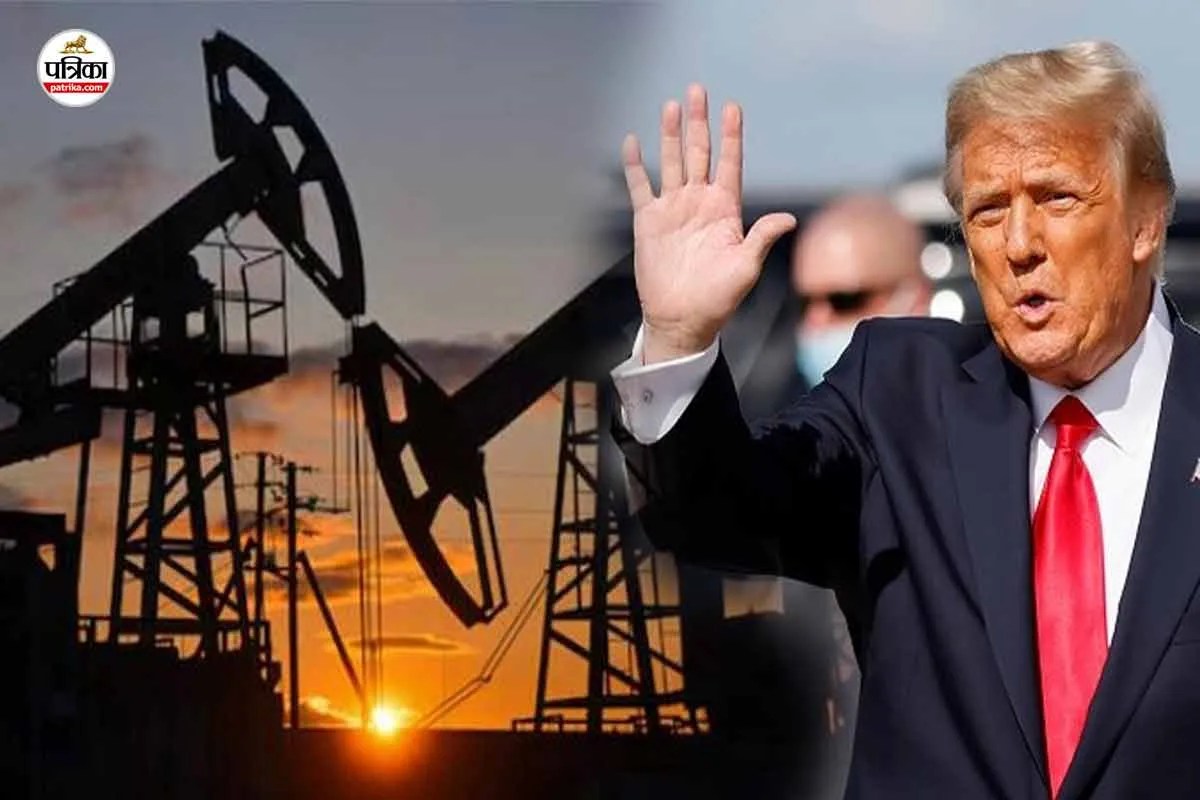
Donald Trump recently laid the blame for soaring American diesel prices squarely at the feet of Ukraine, arguing that Kyiv's drone and missile strikes targeting Russian refinery infrastructure are choking global fuel supplies. It is a wild political maneuver that ignores how global commodities actually operate. Let’s look past the political theater and examine why pinning a global oil crisis on Ukraine misses the bigger picture.
The Real Drivers Behind the Oil Price Shock
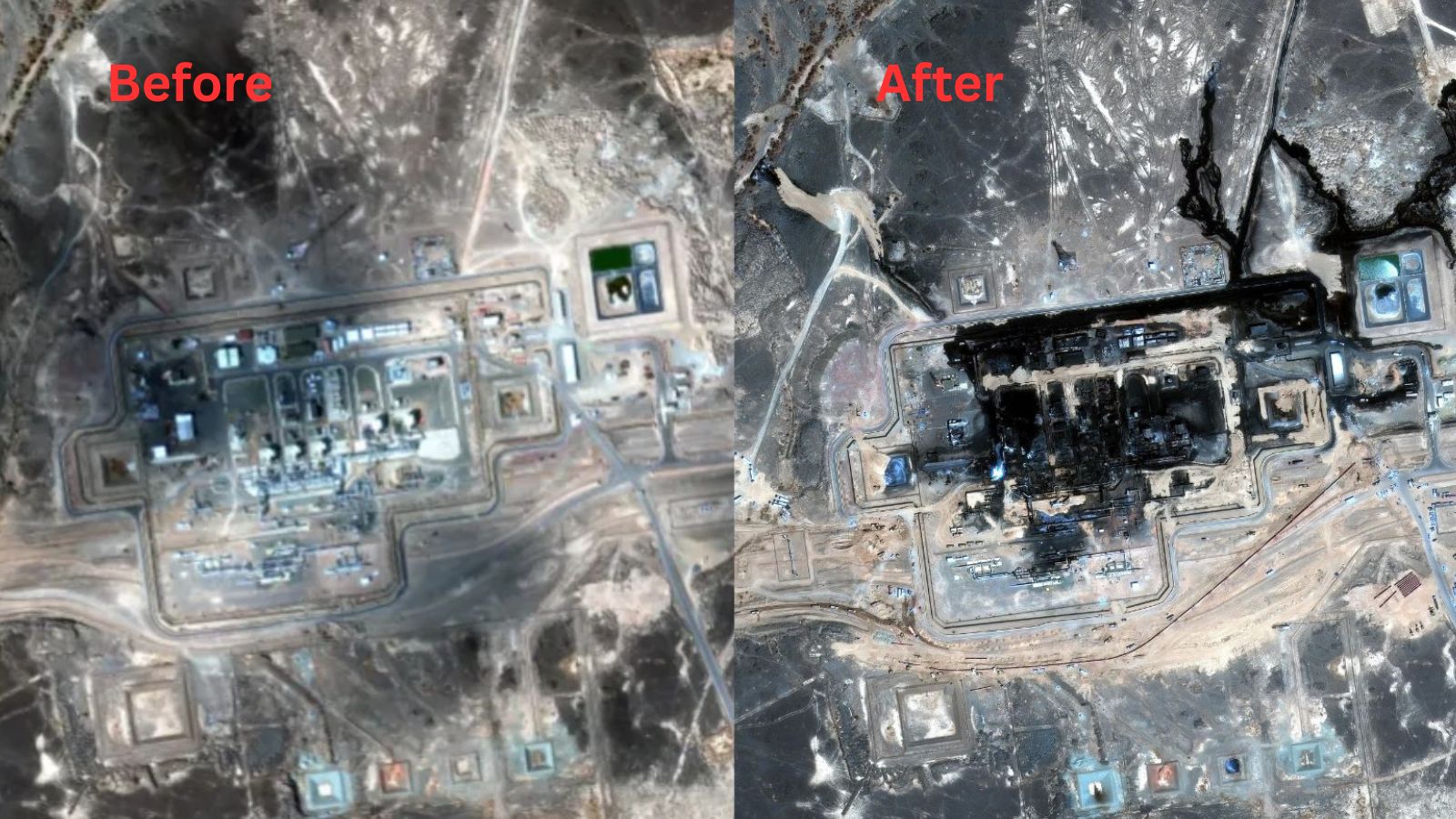
If you look at why energy prices are out of control, you can't just isolate one theater of conflict. The current squeeze is driven by a toxic combination of supply disruptions, geopolitical bottlenecks, and surging shipping insurance costs. Middle Eastern transit lanes, particularly around the Strait of Hormuz, have faced intense pressures and disruptions following regional escalations. When key maritime corridors choke, global crude benchmarks spike instantly.
Blaming Ukraine's targeted military strikes on Russian fuel depots for an American diesel crisis ignores the basic architecture of international trade. Russia has faced heavy Western sanctions for years. Much of its refined product was already being rerouted or banned from Western markets. To suggest that Ukrainian counter-attacks on invading military targets are the primary engine of global inflation is an insult to basic economics.
The Political Calculus of Fuel Blame
Politicians hate high pump prices because voters punish them at the ballot box. When trucking companies, farmers, and daily commuters see diesel costs skyrocket, someone has to take the heat. Trump's rhetoric against Ukrainian leadership is designed to shift attention away from domestic economic pressures and complicated foreign policy missteps.
Volodymyr Zelenskyy has pushed back hard against these claims, calling them entirely disconnected from reality. From Kyiv's perspective, stopping strikes on Russian logistics would mean tying one hand behind its back while facing relentless bombardment. Expecting a sovereign nation fighting for its survival to halt strategic military operations just to soothe global energy markets is wildly unrealistic.
What This Means for Your Wallet
High crude prices do not stay confined to the barrel. They bleed into everything. When diesel costs climb, grocery prices jump because trucks charge more to move goods. Manufacturing costs rise. Aviation fuel gets pricier.
You need to plan around persistent energy volatility rather than hoping for a quick fix. Refineries are running tight margins, and geopolitical flashpoints aren't cooling down anytime soon. Keep an eye on regional inventory data rather than political soundbites if you want an accurate read on where fuel costs are heading next. Diversify your operational logistics if you run a business, and expect a bumpy ride at the pump through the upcoming quarters.