Foreign policy rarely produces moments of pure, unfiltered absurdity, but Donald Trump managed it when he casually pitched American military hardware to Beijing. According to U.S. Ambassador to China David Perdue, Trump asked Chinese President Xi Jinping if his country wanted to buy U.S. weapons during a high-stakes diplomatic summit.
Predictably, Washington's foreign policy establishment lost its mind. Pundits scrambled to decode whether it was a masterclass in transactional diplomacy, a calculated geopolitical bluff, or just another off-the-cuff remark from a president who views global superpowers through the lens of a real estate transaction. But if you look past the initial shock, this bizarre pitch reveals the exact mechanics of how modern statecraft operates under Trump.
The Transactional Logic Behind the Pitch
To understand why Trump would ever suggest arming Washington's primary strategic competitor, you have to abandon traditional geopolitical theory. Realism and liberalism don't apply here. Trump operates on a pure sales ledger.
When Perdue revealed the comment on Fox News, he framed it through a familiar lens: America sells arms across the globe, so why not pitch the biggest buyer on the market? To Trump, a deficit is a personal insult, and a potential sale is always worth mentioning, regardless of whether the buyer happens to eye Taiwan across a heavily militarized strait.
Critics immediately pointed out the obvious contradiction. For decades, U.S. strategy has revolved around containing China's military rise, restricting sensitive tech exports, and arming regional allies like Taiwan to deter Beijing's ambitions. Offering high-end hardware to the very nation American generals view as the defining threat of the twenty-first century sounds like geopolitical suicide.
Yet, treating this as a serious, actionable policy proposal misses the point. Trump treats negotiations like an open-air market where everything is technically on the table until proven otherwise.
The Domestic and Global Fallout
The reaction from the national security apparatus was swift and defensive. The State Department scrambled to remind reporters that U.S. law strictly prohibits arms sales to China. Lawmakers on Capitol Hill, already jittery over technology transfers and fierce economic rivalry, treated the comment as proof of erratic oversight.
Yet Beijing's response was remarkably muted. China's official posture remained focused on safeguarding its own sovereignty and stability, largely ignoring the rhetorical bait. Beijing doesn't need to buy American gear; its own defense industrial base is churning out advanced naval destroyers, stealth fighters, and hypersonic missiles at a scale that worries the Pentagon daily.
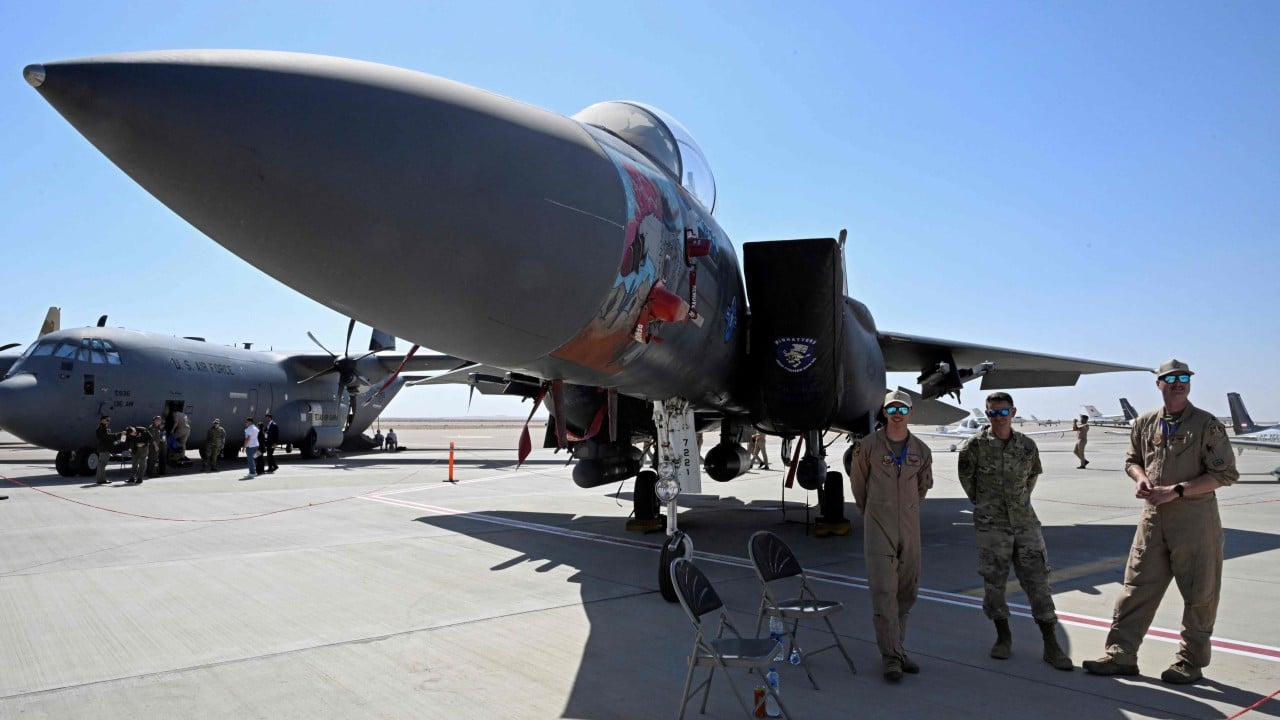
If China were to somehow acquire U.S. hardware, the primary goal wouldn't be upgrading their arsenal. It would be reverse engineering. Every military engineer knows that putting advanced American tech into Chinese hands gives their research labs a goldmine of proprietary data. No serious defense planner in Washington would actually allow an F-35 or an advanced missile system to be shipped to a potential adversary. That is why the White House quickly downplayed the feasibility of the remarks.
Why Trump Loves the Unfiltered Gambit
Trump thrives on throwing curveballs that disrupt conventional expectations. By asking Xi if he wants to buy American weapons, he forces everyone in the room—and across the global media landscape—to react to his framing.
It shifts the conversation away from defensive containment and places the burden of refusal back onto Beijing. It says, we are open to business if you play ball, but you won't. It is a classic negotiation tactic designed to test boundaries and rattle allies and adversaries alike.
Whether it was a joke, a test of wills, or a genuine commercial pitch doesn't entirely matter. It highlights the widening gap between traditional diplomatic norms and a transactional presidency that treats national defense equipment like inventory clearance items.
The next time a bizarre proposal drops from a summit meeting, don't waste time looking for a hidden policy blueprint. Look at who is holding the ledger.
U.S. Ambassador says Trump offered to sell arms to China
This video provides direct news coverage and analysis of U.S. Ambassador David Perdue's statements regarding the diplomatic exchange.