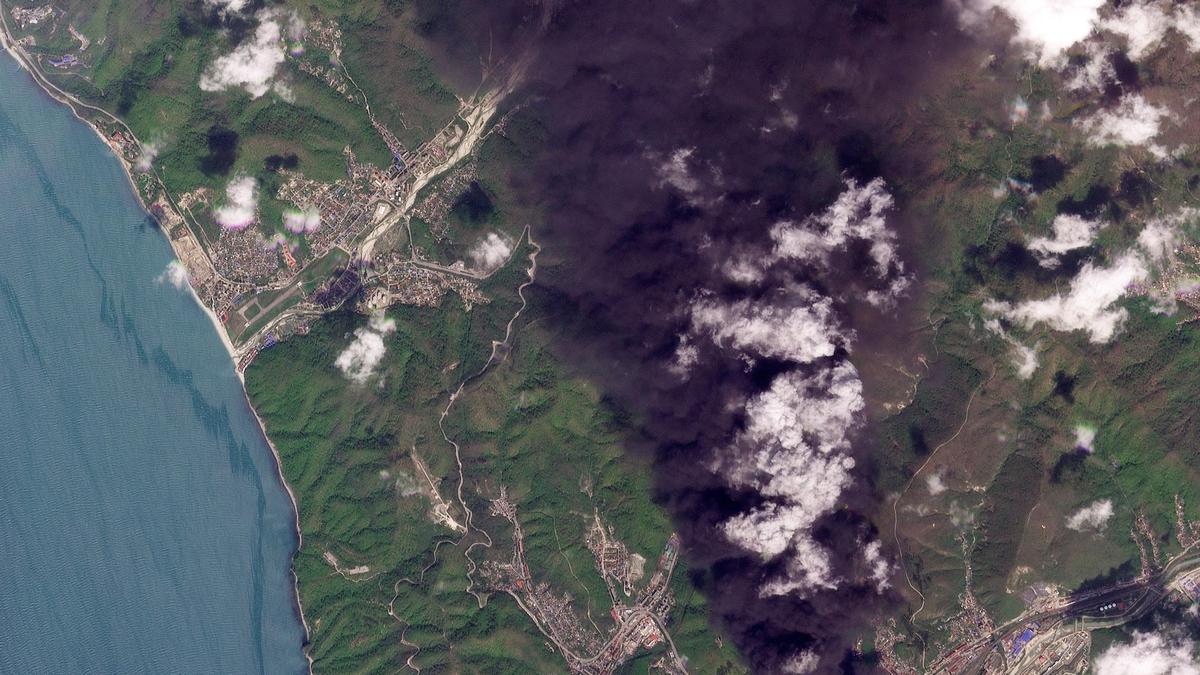
Four people are dead today because the sky isn't just for birds anymore. Over the last 24 hours, an exchange of drone strikes between Russia and Ukraine turned fatal, proving once again that cheap, unmanned tech is the most terrifying part of modern warfare. It's not just about the big missiles or the heavy tanks you see in movies. It's about a small, buzzing motor carrying enough explosives to level a house while the person operating it sits hundreds of miles away.
This isn't just another headline in a long war. It's a reminder that the "front line" is a myth. When drones fly, everyone is on the front line. The latest reports confirm that three civilians lost their lives in Russia’s Belgorod region, while a drone strike in Ukraine’s southern regions claimed another victim. We aren't talking about soldiers in trenches. We're talking about people who were probably just trying to have breakfast or walk to work.
The Reality of the Belgorod Attacks
Belgorod has become a flashpoint. It's close to the border, and that makes it an easy target for Ukrainian forces trying to bring the reality of the war home to the Russian public. According to local officials, a series of drone strikes hit residential areas. When you look at the footage, it's harrowing. Glass everywhere. Smoldering cars. The kind of quiet that follows a sudden explosion.
Russian authorities claim they intercepted several drones, but "intercepted" is a tricky word. Sometimes, shooting a drone down just means it falls on someone's roof instead of its intended target. In this case, the debris was enough to kill. It’s a brutal math. If you're living in Belgorod right now, you aren't looking at the sky for rain. You're looking for white dots that move too fast and sound like a lawnmower.
Ukraine hasn't officially claimed every single hit—they rarely do—but their strategy has shifted. They're tired of being the only ones feeling the heat. By hitting Belgorod, they're forcing Russia to pull air defense systems away from the front lines to protect their own cities. It's a cold, calculated move that has massive human costs.
Ukraine is Still Taking Direct Hits
Meanwhile, the southern regions of Ukraine continue to burn. One person was killed in a strike that targeted critical infrastructure but ended up hitting a civilian zone. This is the story of the war. Russia uses Iranian-made Shahed drones by the hundreds. They’re slow. They’re loud. But they’re cheap as dirt compared to a Patriot missile.
Russia’s goal is simple: exhaustion. They want to drain Ukraine’s ammunition and break the will of the people. If you’ve ever lived through a blackout because a drone hit a power station, you know how effective that can be. It’s miserable. You’re cold, you’re in the dark, and you know there’s another wave coming tomorrow night.
The defense systems in Ukraine are getting better, honestly. They’re knocking down 80% or 90% of these things now. But that 10% that gets through? That’s where the deaths happen. That’s where the four people from today’s news come from. It only takes one to change a family’s life forever.
Why Drones are the New Normal
War used to be about seeing your enemy. Now, it's about a screen and a joystick. This shift is permanent. Both sides are now producing thousands of drones every month. They’ve moved past the expensive military-grade stuff and are now rigging up FPV (First Person View) drones that you can buy at a hobby shop.
They strap a grenade to the bottom and fly it into a window. It’s low-tech meets high-tech in the worst way possible.
The logistics are what actually win these fights. Russia has the industrial scale. They’ve built massive factories to pump out "Geran" drones, which are basically their version of the Shahed. Ukraine, on the other hand, relies on a "People’s Drone" initiative. Thousands of civilians are literally 3D printing parts in their basements to help the military.
What the Experts Say
Military analysts from the Institute for the Study of War (ISW) have pointed out that these long-range strikes are becoming the primary way both sides try to influence the "home front." It's psychological warfare as much as it is tactical. If a drone can hit an oil refinery deep inside Russia, it sends a message that the Kremlin can’t guarantee safety. If Russia can keep the lights off in Kyiv, they think they can force a surrender.
Neither side is backing down. In fact, they're doubling down. We're seeing drones with night vision now. We're seeing drones that can drop multiple munitions and return home. The tech is evolving faster than the treaties meant to stop them.
The Toll Nobody Wants to Count
We hear "four dead" and it sounds like a small number compared to the thousands killed in major battles like Bakhmut or Avdiivka. But that's a mistake. These deaths represent the erosion of the "safe zone." When civilian areas become the target of choice for drone operators, the rules of engagement have basically evaporated.
There's no such thing as a surgical strike with a cheap drone. They’re imprecise. They’re prone to jamming, which makes them fly off course. When a drone gets jammed, it doesn't just disappear. It falls. And where it falls is a matter of pure, terrifying luck.
Staying Informed and Staying Safe
If you’re following this conflict, don’t just look at the maps. The maps show you who owns which field or which ruined town. The drone strikes show you the future of global security. This isn't going to stay in Eastern Europe. The lessons learned in the skies over Belgorod and Odesa are being studied by every military on the planet.
For those watching from the outside, the best thing you can do is support organizations that provide direct humanitarian aid to civilians caught in the crossfire. Groups like World Central Kitchen or the International Rescue Committee are on the ground in Ukraine dealing with the aftermath of these strikes every single day.
Keep an eye on official government travel advisories if you're anywhere near the region. The borders are porous when it comes to drone tech, and "safe" areas can change in an instant. Don't take the silence for granted. Usually, that’s just the gap between the last siren and the next launch.
Stay skeptical of early reports from state media on either side. They both have a reason to inflate the numbers of drones they shot down and downplay the damage they took. Look for independent verification from sources like Bellingcat or the Associated Press before you take a "miracle" intercept as gospel. The truth is usually found in the rubble, not the press releases.