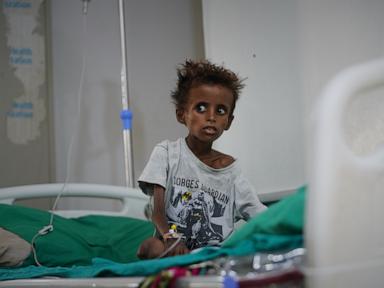
The lazy consensus on Yemen is a masterclass in intellectual laziness. Every six months, the headline cycles back to the same predictable, gut-wrenching framing. Hospitals are overwhelmed. Staff are unpaid. Supplies are depleted. The narrative paints an apocalyptic picture of a humanitarian emergency driven purely by sudden escalation, framing the tragedy as an acute medical crisis that requires an immediate infusion of international aid, pharmaceutical shipments, and emergency surgical teams.
It is a comforting narrative for donors sitting thousands of miles away. It treats a systemic structural collapse as if it were a sudden natural disaster waiting for a Red Cross bandage.
Stop treating the symptoms when the infection is political economy.
When analysts frame Yemen through the narrow lens of clinic capacity and supply chain blockages, they miss the engine room of the disaster. Hospitals are not failing because of an accidental logistics glitch or a temporary shortage of gauze. They are failing because the health infrastructure was weaponized, monetized, and structurally hollowed out decades before the current conflict flared. Focusing strictly on emergency room metrics is an exercise in managed irrelevance. If you pump fifty million dollars worth of antibiotics into a system where fuel distribution is monopolized by warlords and currency devaluation has turned doctors' salaries into toilet paper, you are not saving lives. You are subsidizing a dysfunctional market.
To understand why conventional humanitarian interventions keep hitting a brick wall in Sanaa and Aden, you have to look past the bloodied gurneys and examine the machinery of wartime commerce.
The Economics of Controlled Collapse
War is rarely an uncontrolled chaos of indiscriminate destruction. More often, it is a ruthlessly efficient redistribution of assets.
In Yemen, the stagnation of public sector payrolls combined with the privatization of essential services created a perverse incentive structure. When the central bank split and liquidity evaporated, medical professionals did not simply vanish. They migrated to the private sector, set up underground shadow clinics, or exacted informal cash payments from patients who previously relied on nominal public care. The physical collapse of major regional hospitals created an immense profit vacuum, sucking private capital into localized pharmacies and unregulated treatment centers operated by political elites.
When international organizations rush in with emergency shipments, they frequently bypass or distort these underlying market dynamics without fixing them. Foreign-funded medical supplies routinely leak into the secondary market, where they are resold at exorbitant prices by the very gatekeepers managing distribution.
I have watched international agencies pour billions into acute care responses while ignoring the financial plumbing that keeps the crisis churning. You cannot solve a crisis driven by structural extortion with a charity bake sale mindset. Every time a major NGO boasts about delivering twenty tons of trauma kits, they are treating a gunshot wound with a band-aid while the shooter stands next to them reloading.
Dismantling the Aid Dependency Trap
The standard humanitarian playbook relies on a fundamental falsehood: that neutrality is possible in a totalized war economy.
Humanitarian access in fractured zones is not granted out of the goodness of bureaucratic hearts. It is taxed, regulated, and weaponized. Checkpoints, import permits, and customs delays are not administrative inefficiencies. They are revenue streams. When international bodies negotiate access, they are participating in a structured shakedown where every humanitarian visa and truckload of medicine pays a toll to the governing authorities on the ground.
Pretending that we can simply bypass local power dynamics by delivering aid directly to hospitals is a dangerous fantasy. The moment an ambulance rolls into a besieged district laden with imported pharmaceutical products, those supplies immediately enter a domestic political calculus. They become currency. They become patronage tools used to reward loyal factions and starve opposition areas.
To break this cycle, we have to abandon the illusion that more funding equals better outcomes. The metric of success cannot be how many metric tons of cargo crossed a border. The metric must be whether local economic capacity is being restored or undermined.
Instead of shipping endless containers of finished medical goods from Europe, international actors should be financing local currency stabilization, protecting domestic utility grids, and ensuring that indigenous medical personnel receive direct, unintercepted compensation through transparent digital ledgers that bypass corrupt intermediary bureaucracies. If doctors cannot buy bread because inflation has outpaced their wages by ten thousand percent, no amount of foreign ventilators will keep the doors open.
The Questions Nobody Wants to Answer
People ask why the international community cannot enforce a permanent medical corridor or secure a lasting ceasefire around critical infrastructure. The question itself is flawed. It assumes the warring parties view hospitals as neutral sanctuaries rather than strategic choke points.
In asymmetric warfare, denying healthcare to an opponent's population is not a byproduct of combat. It is a doctrine. When water treatment plants are bombed or fuel supplies for hospital generators are embargoed, these are deliberate choices designed to degrade social cohesion and assert territorial dominance. Asking authorities to respect medical neutrality while ignoring the structural incentives of their war economy is like asking a shark to become a vegetarian because you brought it a salad.
We need to stop writing eulogies for the Yemeni healthcare system and start auditing the international aid apparatus that keeps it on life support without ever letting it heal.
Stop measuring compassion by the volume of press releases issued from Geneva. True accountability means dismantling the parallel economy of charity that profits from permanent instability.
Let the supply chains run dry if they only feed the machine. Fix the currency, secure the grid, and let the locals rebuild their own markets without foreign bureaucrats playing god with donated syringes.
Until we target the financial arteries of this conflict instead of wiping the brow of its latest victim, every hospital drop is just theater.