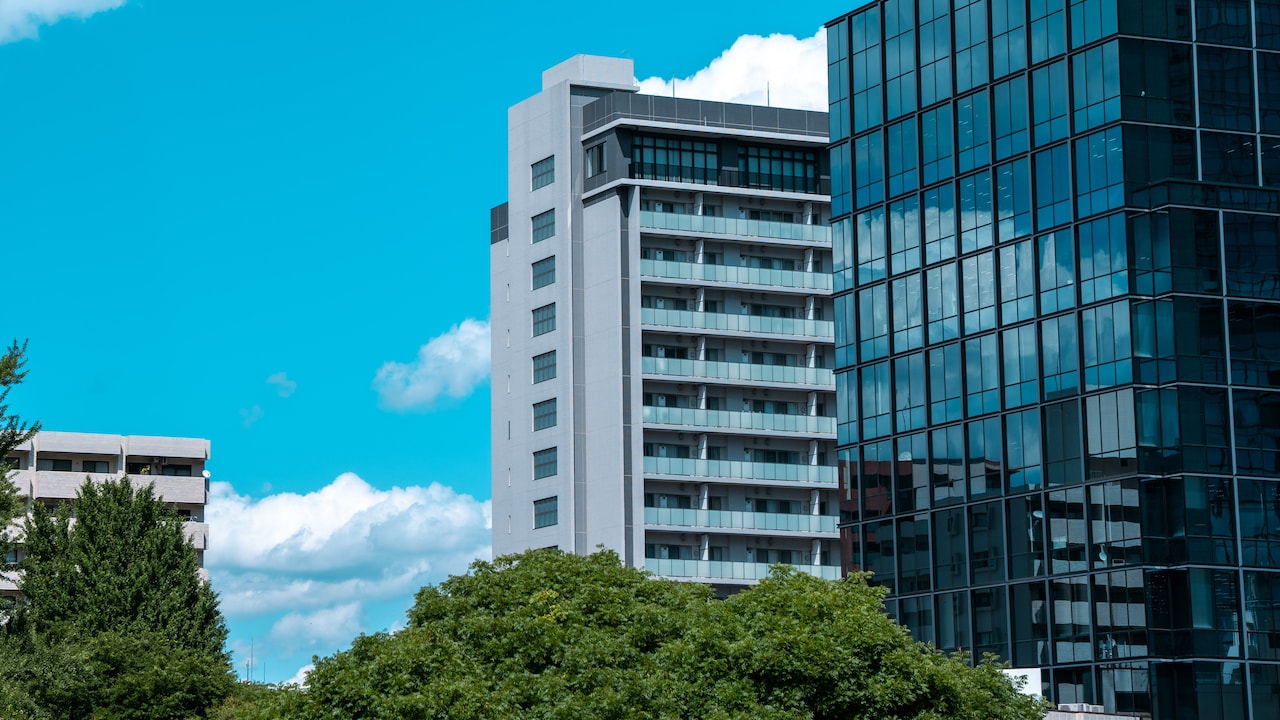
A tragic incident in Yokohama ended the life of a 57-year-old female pedestrian after a 17-year-old high school student jumped from a 12-storey shopping complex, landing directly on her as she walked below. The teenager jumped from the upper levels of a commercial building attached to JR Yokohama Station during a busy afternoon. While the young man was rushed to the hospital and survived for several hours before succumbed to his injuries, the innocent bystander died shortly after impact. This devastating event highlights the severe, unaddressed risks surrounding public suicide attempts in densely populated urban environments.
Urban density creates a unique physical risk when individuals attempt suicide in high-traffic public corridors. In cities like Yokohama, Tokyo, and Osaka, multi-tiered transit hubs and commercial towers sit directly above footpaths carrying thousands of commuters every hour. When someone falls from a great height in these spaces, the kinetic force transforms a personal tragedy into a lethal hazard for anyone standing below.
The Physics of Public Vertical Trajectories
A human body falling twelve stories reaches speeds exceeding eighty kilometers per hour before impact. At that momentum, collision with another person transfers catastrophic kinetic energy, inflicting fatal blunt force trauma on both parties.
Public infrastructure in major metropolitan hubs often incorporates open-air walkways, rooftop gardens, and perimeter balconies. These architectural features are designed to create airy, inviting environments for shoppers and commuters. However, they simultaneously offer unobstructed drop zones into densely packed pedestrian plazas.
Structural security in urban centers traditionally focuses on preventing accidental falls. Barrier heights standardly hover around 1.1 to 1.2 meters, which satisfies basic building codes but provides little resistance against an intentional vault. Modern safety auditing increasingly demands higher vertical fencing, curved anti-climb barriers, and horizontal catchment netting beneath elevated public plazas to physically disrupt falling trajectories before impact occurs on street level.
Urban Crowding and the Collateral Hazard
The tragic occurrence at Yokohama Station is not an isolated phenomenon in Japanese modern history. Similar incidents have surfaced periodically over the past two decades in heavily populated commercial zones.
In major transit hubs, thousands of people navigate narrow, defined pathways every minute. This creates a high probability that a falling object or person will make contact with someone on the ground.
- Pedestrian Density: High foot traffic directly beneath elevated platforms leaves zero reaction time for individuals on the ground to dodge falling hazards.
- Architectural Overhangs: Multilevel commercial structures built above major train lines create deep vertical drop zones right over main station exits.
- Sightline Obstructions: Pedestrians walking directly beneath awnings or balcony edges cannot see objects falling from high floors until impact is imminent.
Urban planners and transport authorities face a difficult balancing act. Retrofitting existing mega-structures with full perimeter enclosures requires significant capital expenditure and often meets pushback regarding aesthetics and ventilation. Yet, leaving wide-open vertical gaps above crowded walkways perpetuates an ongoing hazard for the general public.
Youth Mental Health Pressure and Public Spaces
Understanding why young people choose high-profile public structures requires examining the broader societal stresses impacting youth across the nation. High school students navigate intense academic pressure, rigid social structures, and an often overwhelming expectation to conform.
The pressure peak often coincides with school term transitions, major entrance examinations, and mid-year academic evaluations. Isolating adolescent distress remains difficult because young individuals frequently conceal emotional struggles behind routine daily behavior.
When distress reaches a critical threshold, public sites often become targets due to ease of access. High-rise commercial buildings connected to transit hubs offer open access to high floors without requiring security clearance or ticketing. An individual can walk up an escalator, reach a perimeter balcony, and stand at the edge within minutes.
Addressing the root cause demands aggressive intervention in youth mental health systems. Access to confidential counseling services, peer support networks in schools, and immediate crisis intervention must become far more accessible than they are today. Reducing the societal stigma around seeking help for psychological distress is essential to reaching vulnerable youth before they seek out high-altitude public spaces.
Structural Interventions and Infrastructure Safety
Preventing public suicide leaps involves physical deterrence alongside social support systems. Infrastructure managers throughout East Asia are increasingly evaluating physical barriers designed to restrict access to drop edges without compromising structural utility.
+-------------------------------------------------------------------+
|                  PHYSICAL SAFETY RETROFIT MATRIX                  |
+-------------------------------------------------------------------+
| Intervention Type   | Installation Effort | Public Safety Impact |
+---------------------+---------------------+-----------------------+
| Catchment Netting   | Moderate            | High (Direct Catch)   |
| Anti-Climb Glass    | High                | High (Prevention)     |
| Motion Sensors      | Low                 | Medium (Early Alert)  |
| Raised Railings     | Low                 | Low (Can be Vaulted)  |
+---------------------+---------------------+-----------------------+
High-impact physical barriers remain the most reliable method for neutralizing high-altitude jumps from public facilities. Installing tall, inward-curved glass barriers or steel tension wires prevents individuals from scaling balcony perimeters. Automated motion sensors placed along restricted ledge zones can trigger immediate security alerts, allowing staff to intervene before a leap occurs.
Public transport operators in Tokyo and Yokohama have already implemented platform screen doors across numerous train stations to prevent individuals from jumping onto tracks. That single intervention led to a dramatic drop in platform-related casualties. Applying similar strict physical containment measures to high-rise commercial structures and shopping complexes attached to stations is the logical next step.
Legal Liability and Municipal Responsibility
When a public suicide attempt results in third-party injury or death, the legal and financial ramifications are complex. Civil liability questions arise regarding the property owner's obligation to secure accessible ledges and balconies against foreseeable harm.
Victim compensation traditionally relies on claims against the estate of the individual who caused the harm. In cases involving minors or individuals with limited assets, financial recovery for the family of a deceased pedestrian becomes extremely difficult. This shifts public focus toward property operators and municipal authorities, examining whether adequate security protocols and physical barriers were maintained on the premises.
Municipal building codes are beginning to evolve in response to these liability risks. Local governments are reviewing regulations governing open-air commercial spaces, weighing the cost of mandated architectural retrofits against the ongoing safety risks to innocent bystanders.
Municipal authorities must enforce stricter safety standards for commercial high-rises connected to mass transit centers. Implementing mandatory anti-vault barriers, increasing security patrols in high-altitude public spaces, and expanding accessible crisis intervention resources are essential steps toward preventing these devastating public tragedies.