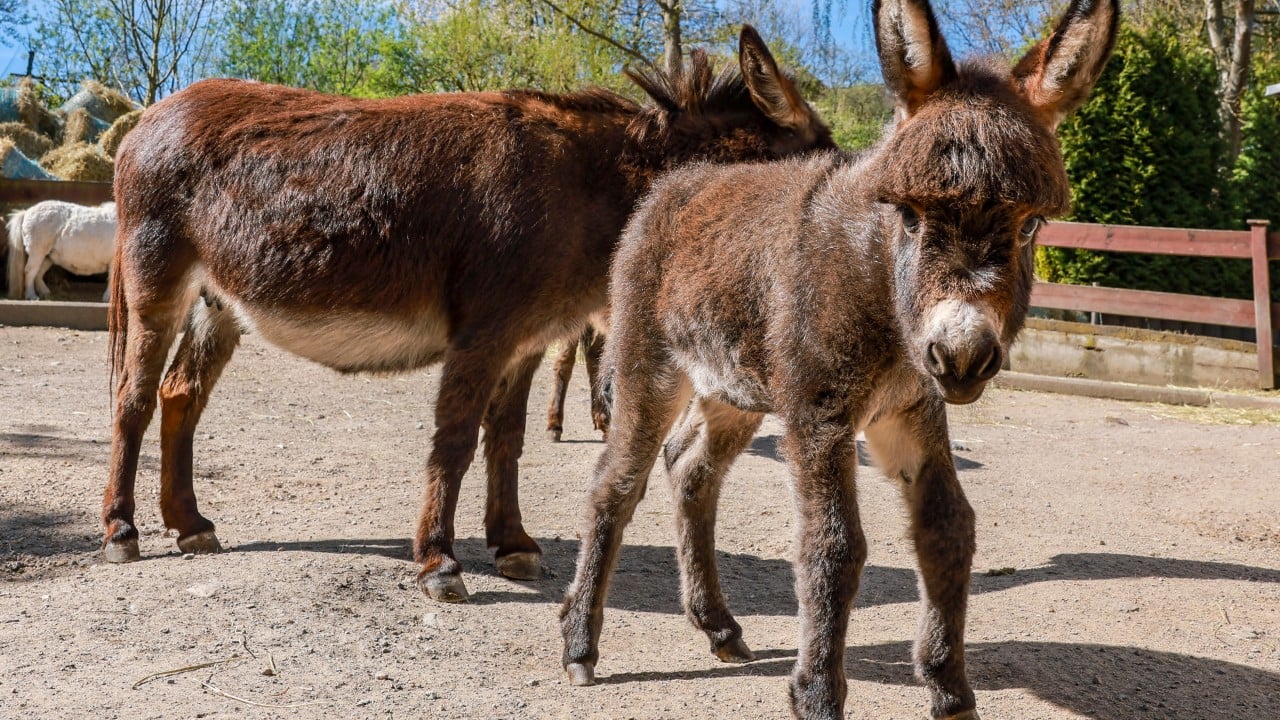
China has an insatiable appetite for a traditional luxury product known as ejiao. This gelatin, made from boiling down donkey hides, is marketed as a miracle cure-all for aging, poor circulation, and insomnia. Because of this booming market, millions of donkeys die every year. The demand is so high that China has depleted its own herd, triggering a global supply chain crisis that sweeps through Africa, South America, and Asia. It's a brutal trade. But a shift is happening as researchers step in with cellular agriculture and synthetic alternatives.
The scale of the crisis is massive. Organizations like The Brooke and The Donkey Sanctuary estimate the global ejiao trade requires nearly five million donkey skins annually. China’s domestic donkey population plummeted from around 11 million in the 1990s to under two million today. To fill the gap, traders look abroad. For rural communities in places like Kenya, Ethiopia, and Brazil, donkeys aren't just animals. They're vital economic lifelines. They haul water, transport goods, and power subsistence farming. When thieves steal these animals to sell their hides to middlemen, entire families lose their livelihoods overnight. Learn more on a related subject: this related article.
Why Ejiao Created a Global Livestock Crisis
The root of the problem lies in aggressive marketing and skyrocketing wealth in China. Historically, ejiao was a luxury reserved for royalty. In the early 2000s, manufacturers rebranded it as an everyday premium lifestyle product for the rising middle class. Television dramas showed elite characters consuming it, and sales exploded.
A single kilogram of high-quality ejiao can fetch hundreds of dollars. Because donkeys reproduce slowly, intensive farming is incredibly difficult. Jennies usually give birth to just one foal per year, and gestation lasts roughly a year. You can't scale up donkey production the way you can with chickens or pigs. As a result, the industry relies on sourcing animals from anywhere they can find them, legally or illegally. Further analysis by The Guardian delves into similar perspectives on this issue.
This supply crunch created a devastating black market. In many African nations, slaughterhouses backed by foreign capital popped up overnight. The local impact was immediate.
- Prices for donkeys spiked, making it impossible for poor farmers to replace animals that died or were stolen.
- Theft syndicates began targeting rural villages, leaving farmers without the means to transport crops to market.
- Dismantled carcasses were frequently left near water sources, creating severe environmental health hazards.
Several countries pushed back. Kenya, Nigeria, Tanzania, and recently the entire African Union instituted bans on the export of donkey skins. Brazil has taken similar legislative steps to protect its roaming herds in the northeast. However, bans only work if governments enforce them. Underground networks continue to smuggle hides across borders, frequently hiding them inside shipping containers labeled as agricultural goods or charcoal.
Enter Lab Grown Hides and Cellular Alternatives
Law enforcement alone won't solve this. The financial incentive is too strong. That's why the focus is shifting toward scientific interventions to replicate the product without killing animals.
Researchers are turning to cellular agriculture, using the same technology behind cultivated meat. Ejiao is primarily collagen. By mapping the genetic profile of donkey collagen, scientists can introduce those specific DNA sequences into yeast or bacterial strains. Through a fermentation process, these microbes produce identical collagen proteins.
This isn't a pipe dream. Companies in the biomedical space have used similar recombinant collagen tech for years to create cosmetic fillers and medical wound dressings. Adapting it for the traditional Chinese medicine market is a logical next step. It yields a pure product free from the antibiotics, heavy metals, and filth often found in illegally smuggled hides.
The Hurdle of Cultural Authenticity
Science can create a molecularly identical product, but convincing consumers to buy it is a different battle. Traditional medicine practitioners place deep value on the source and the processing method. To many purists, lab-grown collagen simply isn't ejiao.
To overcome this, researchers are studying the specific cellular makeup of the traditional product to prove bio-equivalence. Dr. Fiona Cooke and other veterinary welfare advocates argue that if lab alternatives can match the exact amino acid profile of genuine donkey hide gelatin, major traditional medicine brands might adopt it to stabilize their supply chains. The current volatility of the illegal hide trade hurts corporate bottom lines. A predictable, factory-grown source of collagen offers economic stability that wild-caught or stolen livestock never can.
What Needs to Happen Right Now
Solving this crisis requires a multi-pronged approach combining strict policy enforcement with commercial scientific scaling.
First, the enforcement of existing bans must tighten. Port authorities in exporting nations need better training to identify hidden hide shipments. Tracking the financial flows of international wildlife trafficking rings is critical, as the donkey skin trade frequently overlaps with illegal logging, ivory smuggling, and shark finning.
Second, consumer education within China must pivot. A growing animal welfare movement among younger Chinese citizens is already pushing back against products derived from animal cruelty. Highlighting the ecological damage and human cost borne by rural communities worldwide can shift consumer preferences toward plant-based alternatives or lab-certified synthetic options.
Finally, biotech firms need investment to bring down the cost of cultured collagen. Until lab-grown alternatives can match the price point of poached skins, the black market will thrive. Accelerating regulatory approval for cellular traditional medicine components is the fastest way to get these alternatives onto store shelves and take the pressure off global donkey populations.