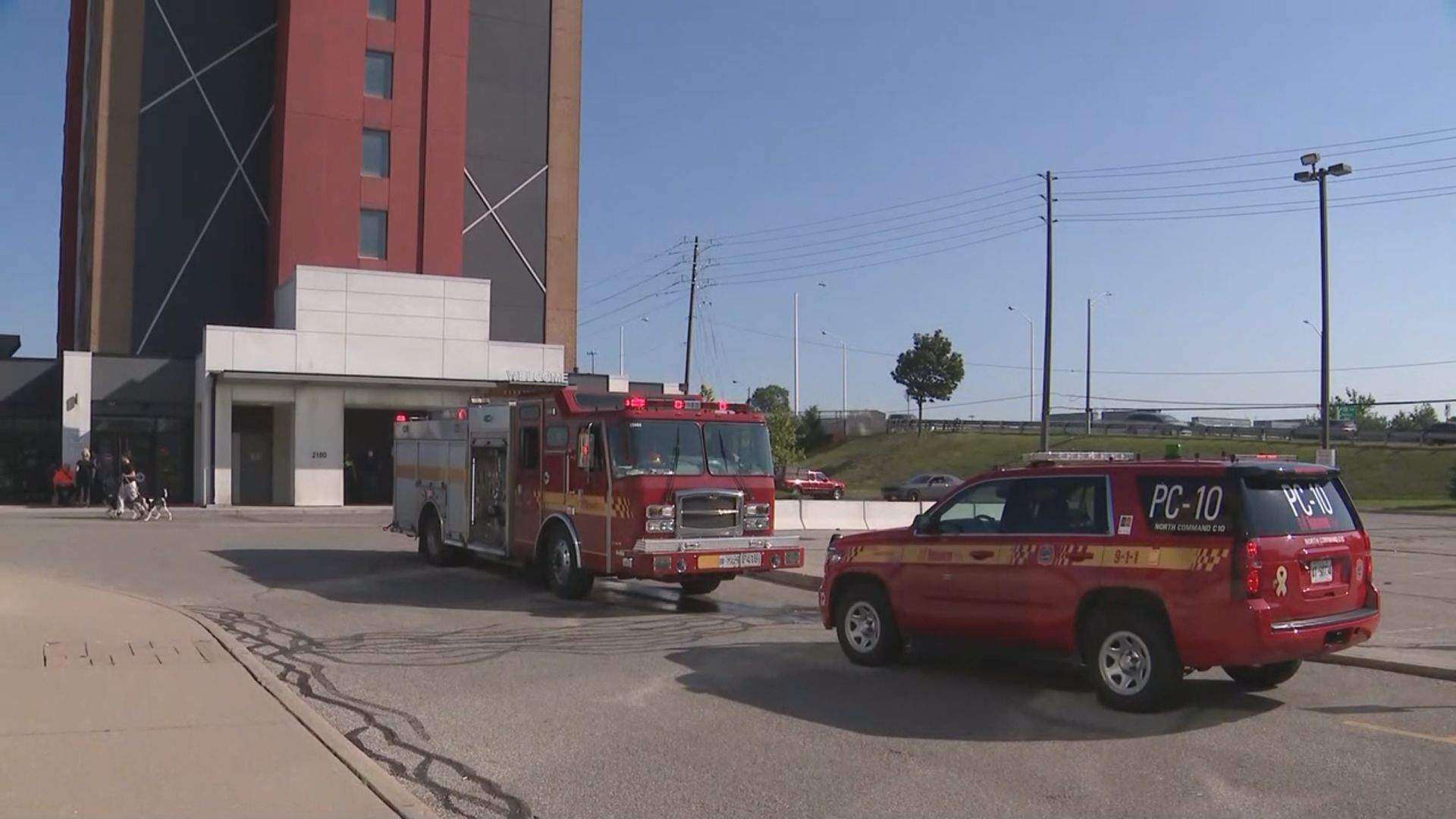
Toronto Fire Services arrived at a blazing shelter, saw a charred collection of consumer electronics, and instantly gave reporters the exact lazy soundbite they wanted. Lithium-ion batteries were involved.
Cue the collective groan from anyone who actually understands energy storage physics.
The headline spreads like wildfire. Public officials shake their heads about the modern perils of portable power. Social media commentators immediately jump to demonize e-bikes, scooters, and backup power banks used by society's most vulnerable populations. It is a neat, tidy narrative. It points a finger at a convenient technological villain and absolves every single system designer, property manager, and municipal bureaucrat of their actual responsibilities.
Except it is a fundamental misdiagnosis of the failure mode.
Blaming a lithium-ion battery for a fire is like blaming gasoline for a car crash when the vehicle had no brakes, worn-out tires, and was being driven by someone who poured fuel all over the dashboard. The battery is the energy carrier, not the root cause. When we accept the official line without interrogation, we protect institutional incompetence behind a veil of techno-panic.
I have spent years consulting on high-density power systems, and I have seen municipalities blow millions on reactive safety bans while ignoring the structural failures staring them in the face. Let us break down why the official narrative collapses under the weight of basic engineering reality.
The Chemistry of Convenience Versus the Reality of Abuse
To understand why pointing at the battery is a cop-out, you need to understand what these cells actually are. A lithium-ion cell is essentially a tightly packed chemical spring. It stores high energy density in a compact footprint. Under normal operation, inside a controlled environment with proper battery management systems, chemistry behaves predictably.
Lithium-ion cells do not spontaneously combust out of spite. They fail because of three specific triggers:
- Physical trauma that punctures the internal separator and causes a direct short circuit.
- Thermal abuse from overheating or improper charging circuits that pushes the cathode and anode past their electrochemical limits.
- Electrical abuse, typically driven by cheap, unregulated aftermarket chargers that push unmanaged current into the cells.
Notice what is missing from that list? The battery brand.
When a shelter fire breaks out and investigators find a burned-out e-bike or power bank, they rarely ask the critical follow-up questions. Was the device charged using a cheap, twenty-dollar knockoff adapter bought off an unverified marketplace because the user had zero disposable income? Was the battery pack previously crushed under a heavy metal bunk frame? Was the facility outfitted with electrical infrastructure that could not handle the sustained low-amperage draw required for multi-hour charging cycles?
By reducing the incident to lithium-ion batteries were involved, Toronto Fire Services sidesteps the systemic poverty trap that forces people to rely on damaged, unregulated equipment in the first place.
The Architecture of Neglect
Let us talk about the real estate. Municipal shelters are rarely state-of-the-art facilities designed for modern electrical loads. They are retrofitted industrial spaces, old gymnasiums, and converted office buildings crammed with cots, personal belongings, and a desperate lack of wall outlets.
When you cram fifty people into a room, all needing to charge phones, medical devices, mobility aids, or transportation tools, the infrastructure screams.
People daisy-chain cheap extension cords. They plug heavy power strips into older wall receptacles that lack arc-fault circuit interrupters. They charge devices on soft, insulating surfaces like mattresses and blankets, trapping heat that a healthy battery can normally dissipate.
Imagine a scenario where a high-capacity power bank sits under a wool blanket while pulling current from a frayed dollar-store charging brick. The heat builds. The internal separator degrades. Thermal runaway triggers.
Is the battery the villain here? Or is the villain a shelter system so chronically underfunded that residents are forced to charge critical survival gear in hazardous, makeshift conditions?
The media loves a good gadget panic because it requires zero structural reform. Ban the bikes, restrict the power banks, and pat ourselves on the back for being proactive. It is garbage policy dressed up as public safety.
The Regulatory Theater
Toronto Fire Services is doing what public safety agencies always do under pressure: managing optics. When a fire occurs in a high-profile vulnerable sector, the political cost of admitting infrastructure failure is too high. Pointing the finger at a universally misunderstood technology shifts the burden of prevention onto the consumer.
If the takeaway from this incident is that lithium-ion batteries are dangerous ticking time bombs, we are setting ourselves up for a worse crisis.
Look at what happens when institutions panic. They enact outright bans on e-mobility devices and personal power banks inside shelters and social housing units. Think about the second-order effects of that decision for a second. For someone living on the margins, an e-bike is not a recreational toy. It is an economic lifeline used for food delivery work, or a primary mode of transit across a sprawling city. A power bank keeps a phone alive—which means keeping access to shelter bed registries, social services, and employment contacts alive.
When you ban these tools because you refuse to invest in safe charging lockers, ventilation, and certified equipment distribution, you do not eliminate the batteries. You just drive them underground.
People will hide their charging habits. They will charge devices in secret, under heavier blankets, behind lockers, entirely out of sight of any monitoring. That is not risk mitigation. That is manufacturing a catastrophe while wearing a high-vis vest.
What Real Safety Looks Like
If Toronto actually wanted to stop these fires instead of hunting for a convenient scapegoat, they would stop issuing vague statements about battery involvement and start deploying engineering controls.
First, stop treating personal energy storage as contraband. Accept that modern life requires portable power, especially for people experiencing housing instability.
Second, fund dedicated, fire-rated charging infrastructure. This is not rocket science. Construct secure, ventilated charging lockers equipped with thermal sensors and localized suppression systems in common areas. Give residents safe places to plug in their gear.
Third, establish equipment exchange programs. Instead of letting people use frayed, uncertified charging bricks sourced from bargain bins, municipalities should subsidize or distribute UL-certified chargers and battery packs. Trade a dangerous, swollen power bank for a safe one no questions asked.
The lazy consensus is that technology is getting too dangerous for us to handle. The reality is that our institutions are too lazy to adapt to the reality of modern energy needs.
Stop blaming the chemistry. Fix the conditions.