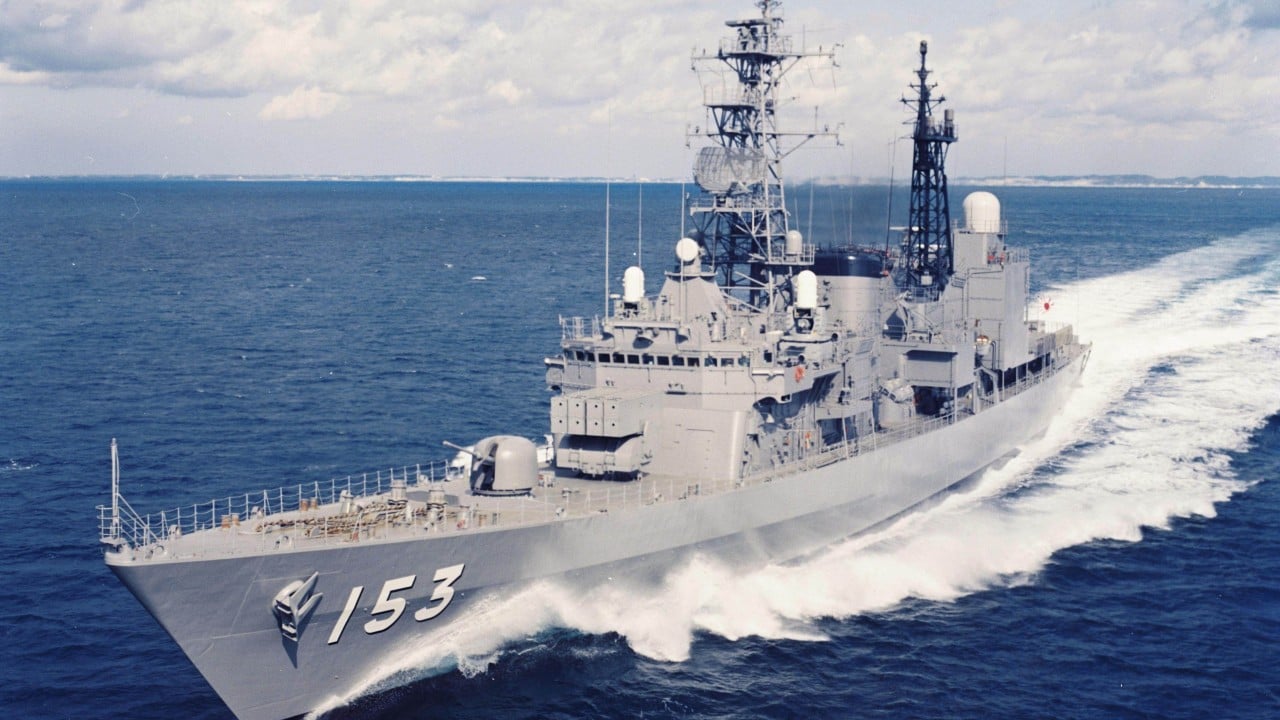
Tokyo is quietly rewriting its security playbook, transforming its retired naval hardware into strategic diplomatic leverage across the Indo-Pacific to blunt Beijing’s maritime expansion. For decades, the Japan Maritime Self-Defense Force adhered to a strict domestic disposal cycle. Hulls that reached the end of their frontline service life were systematically stripped, decommissioned, and broken down for scrap under a pacifist legal framework that viewed arms exports as an absolute taboo. That domestic-only restriction is dead. By easing defense equipment transfer rules, Japan is positioning older yet highly capable surface combatants and patrol vessels as geopolitical assets, offering frontline states an immediate upgrade to their maritime domain awareness without the multi-year wait of new construction.
The mechanics of this shift are rooted in economic necessity and acute geopolitical pressure. China's shipbuilding output dwarfs Western and allied shipyards combined, turning maritime gray-zone coercion in the South China Sea and East China Sea into a war of industrial attrition. Japan cannot out-build a nation launching dozens of corvettes, frigates, and coast guard cutters annually. Instead, Tokyo is turning its high-maintenance replacement cycle into an asset. When a destroyer or escort ship completes its active service with the Self-Defense Forces, its combat systems may no longer match the bleeding edge required for high-intensity blue-water conflict against modern Chinese task groups, but those same hulls represent a generation of supreme engineering that far outclasses standard regional patrol craft.
Consider the strategic calculus facing nations like the Philippines or Vietnam. Acquiring brand-new, Western-standard naval frigates requires capital outlays that strain developing economies, coupled with extensive delivery delays due to global defense supply chain bottlenecks. By transferring second-hand hulls—such as retired Abukuma-class destroyers or heavily maintained multi-role escort vessels—Tokyo provides allied maritime nations with ready-to-use deterrence. These vessels arrive with proven marine diesel powerplants, stable sea-keeping qualities, and hulls engineered to withstand punishing Pacific typhoons.
Yet, this transition is fraught with internal friction and institutional caution. Japan's defense industrial base spent generations insulated from the global arms market. Domestic production lines operated under low-volume, high-cost conditions because manufacturers could only sell to a single buyer: the Ministry of Defense. Opening the door to secondary transfers introduces complex liability questions, maintenance training burdens, and the risk of technological leakage. If a transferred hull suffers a catastrophic mechanical failure due to poor local sustainment, the reputational damage falls squarely on Japanese defense contractors. Furthermore, transferring armed combatants crosses political lines that neighboring Beijing watches with intense hostility, frequently accusing Tokyo of militarism and violating post-war constitutional constraints.
The policy adjustments required to make this operational were incremental, deliberate, and accelerated by necessity. Tokyo did not wake up one morning and decide to flood the Asian security market with armed warships. The process began with minor allowances for non-lethal equipment transfers, humanitarian assistance, and joint research with core allies like the United States. Successive administrations chipped away at the constraints until the recent structural overhaul eliminated restrictive capability categories, permitting the export of complete defense systems—including naval vessels—to nations sharing security agreements with Tokyo.
This evolution directly addresses the primary vulnerability of allied nations in the First Island Chain. China relies on numbers to enforce administrative control over disputed waters, deploying massive coast guard cutters and People's Liberation Army Navy hulls to exhaust regional competitors. A small navy equipped with aging Japanese destroyers gains immediate radar cross-section, sea-denial capability, and sustained presence. Even without frontline Aegis combat systems, a modernized older hull equipped with updated surface-to-surface missiles and tactical data links changes the risk calculation for any adversary attempting coercive maneuvers in contested waters.
The Industrial Reality Behind the Hulls
Reconverting a military vessel for foreign transfer is not as simple as handing over the keys at a naval base in Yokosuka. Japanese naval architects design ships for specific operational profiles with distinct logistics chains. The onboard automation, linguistic labeling of control panels, and specialized maintenance requirements demand extensive training packages. When Japan transfers a hull, it must simultaneously export a sustaining ecosystem of technical manuals, spare parts availability, and engineering support teams.
This creates a secondary commercial opportunity for Japanese heavy industries traditionally boxed out of international competition. Companies long reliant on domestic procurement quotas now find themselves managing international refit yards and maintenance contracts. To make these transfers politically palatable at home, Tokyo frames them as capacity-building contributions to regional peace rather than commercial arms sales. The distinction matters in domestic Japanese politics, where public opinion remains deeply sensitive to any perception of the nation returning to aggressive military mercantilism.
At the same time, Washington views Tokyo's pivot with quiet relief. The United States Navy faces its own maintenance backlogs and ship repair capacity crises across domestic shipyards. Having a capable, technologically advanced ally like Japan absorb the regional security burden by arming frontline partners helps stabilize the Pacific without demanding an immediate reallocation of overextended U.S. carrier strike groups.
Countering Beijing's Narrative
Beijing's state media routinely characterizes these defense transfers as dangerous escalations that destabilize regional security and resurrect historical militarism. Chinese diplomats point to the modification of helicopter-carrying destroyers and the export of advanced military hardware as proof that Article 9 of Japan's pacifist constitution has been hollowed out entirely.
That criticism ignores the baseline reality on the water. The security architecture of the Western Pacific shifted the moment Beijing began unilaterally constructing artificial islands, militarizing reefs, and enforcing expansive maritime claims that contradict international law. Japan's decision to hand down older warships is a direct reaction to an already altered security balance, serving as a defensive counter-weight designed to preserve freedom of navigation rather than project offensive power.
The success of this strategy will ultimately be measured not by the number of hulls transferred, but by the operational readiness of those vessels years down the line. If recipient nations can effectively maintain, fuel, and crew these platforms without excessive dependency on Japanese technicians, Tokyo will have successfully created a decentralized, resilient network of maritime defense. The aging steel once destined for scrap yards is instead becoming the literal backbone of allied deterrence along the maritime frontier.
Fubu Toy review
This video provides a detailed breakdown of how Japan's transfer of retired destroyers to the Philippines and other regional partners reshapes the maritime balance of power along the First Island Chain.