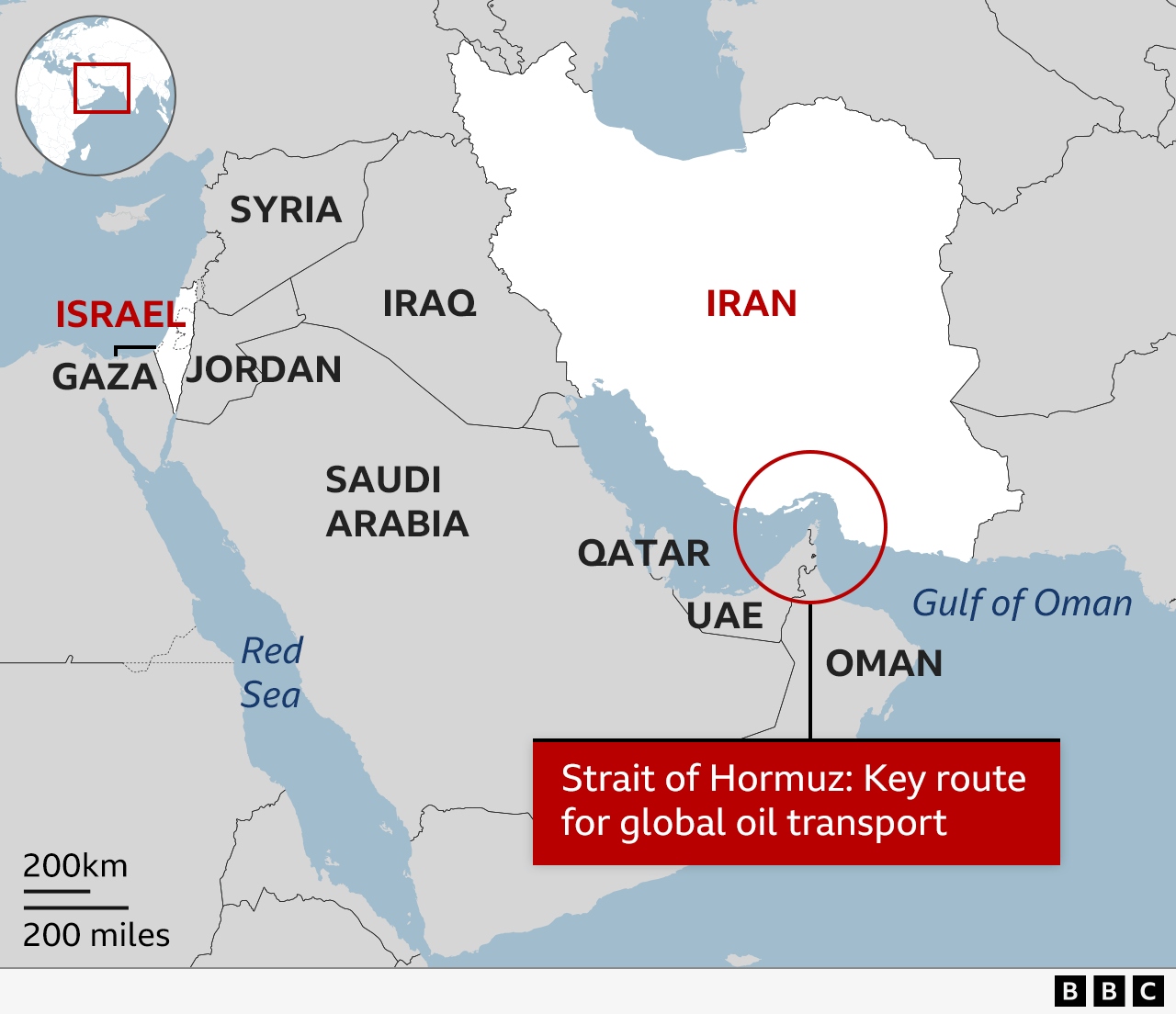
The headlines are breathless. They want you to believe that geopolitical chaos in the Middle East is a golden ticket for the Indian cotton yarn industry. They point to the Iran-Israel friction, the Red Sea shipping disruptions, and the sudden vacuum in regional supply chains as a "win" for hubs like Tiruppur.
It is a fairy tale.
If you are celebrating a spike in orders triggered by a regional war, you aren't a strategist. You are a scavenger. Scavenging is not a sustainable business model. The narrative that Indian yarn is "winning" because of the Iran conflict ignores the brutal reality of input costs, currency volatility, and the looming threat of synthetic dominance.
The Myth of the Crisis Windfall
The consensus suggests that when Iranian or Turkish supply chains falter, India steps in to fill the void. On paper, the volume goes up. In reality, the margins are getting crushed.
I have watched spinning mills chase these "crisis orders" for decades. They ramp up capacity, buy raw cotton at a premium during a supply squeeze, and then realize the logistics costs have eaten their entire profit. Shipping rates don't care about your increased volume. When the Red Sea becomes a no-go zone, the insurance premiums and freight surcharges on Indian exports don't just "rise." They explode.
You aren't gaining market share. You are paying for the privilege of moving product into a high-risk zone.
The Logistics Fallacy
The "lazy" argument claims that diverted trade routes favor Indian proximity. This is mathematically illiterate.
- Transit Times: Longer routes around the Cape of Good Hope apply to Indian exports just as much as they do to competitors.
- Container Shortages: When global shipping is disrupted, empty containers pool in the wrong ports. Indian exporters end up bidding against each other for the few boxes available.
- Insurance: War-risk premiums are a fixed cost that erodes the "cheap labor" advantage India traditionally holds.
The Raw Cotton Reality Check
Let’s talk about the Cotton Corporation of India (CCI) and the Minimum Support Price (MSP). While the industry cheers for export "wins," the internal price of raw cotton in India remains disconnected from global benchmarks.
Indian yarn is often priced out of the market because domestic fiber costs are artificially high. When a conflict breaks out, global cotton prices fluctuate wildly. If you are a mill owner in Tiruppur, you are buying fiber in a protected, high-cost domestic market but selling your yarn in a volatile, war-torn international market.
That isn't a "win." It’s a squeeze.
Why the "Pivot to Iran" is a Trap
Iran is a complex, sanctioned, and economically unstable partner. Relying on a surge in demand from a nation under heavy financial scrutiny is a recipe for payment defaults. If you're shipping yarn to intermediaries to bypass sanctions, you're taking on massive legal and financial risks for margins that are often in the low single digits.
The industry is patting itself on the back for increasing volume to a region that might not be able to pay its bills in six months.
The Ghost of Bangladesh and Vietnam
While India focuses on these temporary geopolitical "wins," our real competitors—Bangladesh and Vietnam—are playing the long game. They aren't waiting for a war to hand them a market. They are integrating vertically and securing Free Trade Agreements (FTAs) that India continues to fumble.
India’s textile industry is fragmented. We have thousands of small-scale spinning mills that lack the capital to modernize. We are exporting raw yarn—a low-value commodity—while Bangladesh imports that yarn, turns it into high-value garments, and sells it back to the world with a 400% markup.
We are the world’s back-office for thread. It is a position of weakness, not strength.
The Synthetic Surge You Aren't Tracking
Every time cotton prices spike due to war or supply chain "gloom," the world moves closer to synthetics.
The global fashion industry is shifting toward polyester and recycled blends. They are cheaper, more predictable, and easier to manage in a crisis. While Tiruppur celebrates a 5% bump in cotton yarn exports to the Middle East, the global market is shifting toward materials that India is still struggling to produce at scale.
If you think cotton is king, you haven't looked at the R&D budgets of major fast-fashion brands lately. They want consistency. War-torn supply chains for natural fibers provide the opposite.
The Actionable Pivot
Stop looking at the map of the Middle East and start looking at your own factory floor.
- Value Addition is Not Optional: If you are just spinning yarn, you are replaceable. The "win" isn't in the yarn; it’s in the finished fabric and the garment.
- Hedge for Logistics, Not Just Currency: Most Indian firms have a basic currency hedging strategy. Almost none have a logistics hedge. When freight rates double, your business should not collapse.
- Internalize the MSP Burden: The industry must stop begging the government for subsidies and start demanding a market-linked fiber pricing mechanism that allows Indian mills to compete with China and Vietnam on an even footing.
Stop Celebrating the Gloom
War is not a strategy. Disruption is not a business plan. The "win" being touted in the media is a statistical blip—a temporary redirection of trade that will vanish the moment the missiles stop flying or the shipping lanes reopen.
If your growth depends on someone else's conflict, you don't have a business. You have a gamble.
The Indian cotton industry needs to wake up. We are losing the war for value, and no amount of regional chaos in Iran is going to fix that. Modernize, integrate, or prepare to be sidelined by nations that understand that the future of textiles is built on technology and trade deals, not the misfortunes of the Middle East.
If you’re still waiting for the next crisis to boost your bottom line, you’ve already lost.