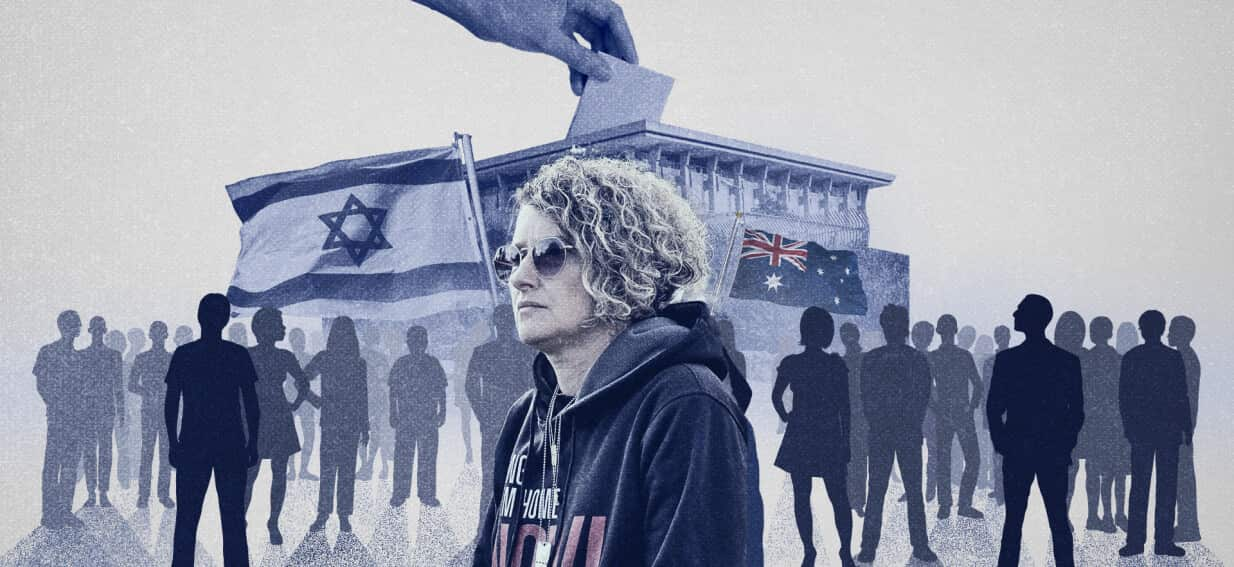
Most people wouldn’t drop thousands of dollars on a last-minute long-haul flight just to stand in line. But for thousands of Israeli expats scattered across the globe, distance suddenly stopped mattering.
Take Nirit, traveling a staggering 14,000 kilometers from Australia just to cast a ballot. She isn't an isolated anomaly. Tens of thousands of Israeli citizens living abroad have packed their bags, bypassed costly airfares, and headed home for what many consider the most crucial election in the country's modern history.
Why Israel's Diaspora Won't Stay Quiet
Israel stands out among modern democracies for a strict and frustrating rule: its citizens cannot vote from abroad. If you live in London, New York, or Sydney, your voice doesn't travel across international digital portals or consular drop-boxes. There is no absentee ballot. If you want your vote counted, your feet have to touch Israeli soil on election day.
Normally, this logistical hurdle keeps diaspora turnout low.Why Expats Fly Thousands of Miles Just to Vote
news
Fourteen thousand kilometers is a long way to travel for a piece of paper and a ballot box. Yet, thousands of citizens pack their bags every election cycle, booking expensive flights and burning through vacation days just to cast their votes from abroad.
You might think it's a waste of money. You might wonder why anyone cares enough about a political race back home when they've built an entirely new life halfway across the globe. But if you look closer at why people fly halfway around the world to vote, you'll see it's about much more than just a political candidate. It's about identity. It's about belonging.
Let's break down what actually drives this phenomenon and why absentee voting laws make it nearly impossible for citizens living overseas to participate without jumping through absurd logistical hoops.
The Broken System of Voting from Abroad
Most countries make it exceptionally difficult to vote if you live outside their borders. Take Israel, for example. Unlike many Western nations that offer widespread postal voting or expansive embassy ballot access, Israeli law requires most citizens to cast their votes in person inside the country.
Think about that for a second.
If you're an Israeli citizen living in New York, London, or Sydney, you can't just drop an envelope in the mail. You have to buy a plane ticket. You have to rearrange your work schedule. You have to fly thousands of miles, stand in line, drop your ballot, and often fly right back.
This creates a massive barrier to entry. Only the deeply dedicated, the ideologically driven, or the financially privileged can afford to participate. Critics call it a tax on democracy. Governments often claim it's about security and verifying identity, but the result is clear: millions of eligible voters are effectively disenfranchised simply because they moved away.
Why People Actually Make the Trip
People don't spend thousands of dollars on last-minute flights just because they love political parties. They do it because they feel a deep, visceral connection to their homeland.
When you live abroad, you don't stop caring about the trajectory of your home country. Your family is still there. Your friends are still there. The economic policies, security situations, and cultural shifts directly impact the people you love.
I talked to an expat once who spent nearly two thousand dollars on flights during a tight election year. When I asked him why he didn't just sit this one out, he looked at me like I had lost my mind. He said, "If I don't care enough to show up, I lose the right to complain about where things are heading."
That sentiment runs deep among diaspora communities. Voting becomes a physical manifestation of loyalty. It's a way of saying: I might live somewhere else now, but my roots are still anchored right here.
The Financial Reality of Long Distance Democracy
Let's look at the numbers. International airfare isn't cheap. Taking time off work isn't free. When individuals travel thousands of kilometers just to cast a ballot, they are investing real capital into the democratic process.
Compare this to countries with universal mail-in ballots or robust consular voting. In those systems, voter turnout among expats is still notoriously low, but at least the option exists for everyone, not just those with disposable income.
When a democracy forces its citizens to board a transatlantic or transpacific flight just to exercise their fundamental rights, it creates a tiered system of citizenship. You have first-class citizens who live locally and vote easily, and second-class citizens who have to empty their savings accounts to have a voice.
What Needs to Change
The world is more mobile today than it has ever been. Millions of people live, work, and study across international borders. Expecting these populations to board airplanes to participate in national elections is an outdated relic of the 20th century.
Countries need to modernize. Secure digital voting systems, expanded embassy polling stations, and universal postal ballots should be standard. If nations want to keep their diaspora engaged and invested in the national future, they have to make participation accessible.
Until then, people like Nirit will keep boarding those long-haul flights. They'll keep spending their own money to cross oceans. They'll keep proving that for some, the right to vote isn't just a convenience—it's an obligation they refuse to ignore.
If you're an expat navigating these rules, look into your local embassy guidelines months before an election. Don't wait until the last minute to figure out your logistics, because the system certainly won't help you out at the eleventh hour.


