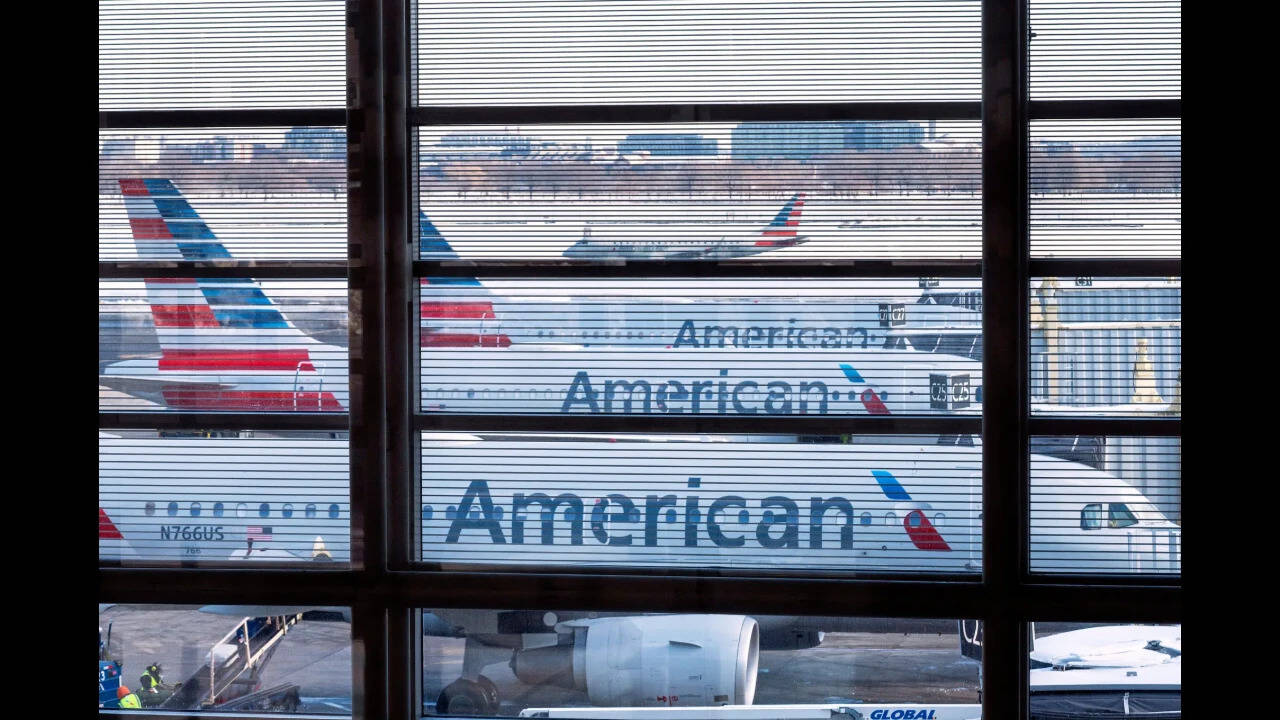
Commercial aviation safety depends on strict control over energy density, and lithium-ion batteries represent an inherent vulnerability in this architecture. When American Airlines Flight 2398 declared an emergency during its approach to Dallas Fort Worth International Airport due to a burning laptop in the cabin, it highlighted a repeating failure mode in modern transport. Four to five passengers sustained burn injuries, and the flight crew was forced to execute rapid containment protocols while managing an active descent.
This incident is not an isolated malfunction; it is a predictable statistical outcome of packing high-capacity energy storage systems into a pressurized, oxygen-rich environment at 35,000 feet. Understanding why these events occur requires dissecting the mechanics of lithium-ion cell degradation, the operational constraints of cabin mitigation, and the risk economics governing portable electronics in transit.
The Thermodynamics of Failure
The root cause of incidents like the one on Flight 2398 is thermal runaway, an exothermic chain reaction inside the battery cell. To analyze this process, one must examine the internal components of a lithium-ion battery: a cathode, an anode, a separator, and an organic liquid electrolyte.
When a battery goes into thermal runaway, the sequence follows a strict thermodynamic pathway:
- Initial Trigger: External physical damage, internal manufacturing defects, overcharging, or high ambient temperatures compromise the ultra-thin polymer separator dividing the anode and cathode.
- Internal Short Circuit: Contact between the electrodes causes a localized electrical short, releasing stored electrochemical energy as heat.
- Exothermic Decomposition: As temperatures rise above 130°C, the solid electrolyte interphase (SEI) layer breaks down. At higher thresholds, the cathode and electrolyte react chemically, generating flammable gases such as ethylene carbonate, propylene carbonate, and ethyl methyl carbonate.
- Cascading Cell Failure: Temperatures can spike up to 900°C, transferring thermal energy to adjacent cells in a multi-cell laptop battery pack. Each failing cell adds its own stored energy to the system, causing a self-sustaining loop that standard cabin fire extinguishers struggle to suppress permanently.
The environment inside an aircraft cabin compounds these pressures. Cabin air is constantly recycled and pressurized, but a localized high-intensity chemical fire creates immediate toxic smoke accumulation and severe direct thermal radiation hazards for passengers seated within proximity.
The Cost Function of Cabin Containment
Airlines face a complex operational optimization problem regarding lithium-ion devices. Passengers require portable electronics for modern productivity, meaning outright bans on laptops are economically non-viable for carriers. Consequently, the safety architecture relies entirely on reactive mitigation rather than preventative screening.
The direct cost function of a battery event involves several operational variables:
- Response Time ($T_r$): The window between initial smoke generation and crew intervention. Because thermal runaway accelerates exponentially, a delay of even thirty seconds shifts the incident from a localized smolder to an active open-flame event.
- Containment Equipment Efficacy: Modern commercial aircraft carry thermal containment bags or specialized thermal blankets. These systems are engineered with high-temperature fiberglass or silicone-coated fabrics designed to withstand extreme internal heat while starving the fire of oxygen.
- Diversion and Landing Penalties: An in-flight emergency forces unscheduled fuel burns, air traffic control rerouting, gate rescheduling, and potential structural inspections, costing commercial operators thousands of dollars per minute of disruption.
When Flight 2398 experienced its cabin fire during the landing phase, the spatial constraints of the aircraft cabin added friction to the flight attendants' response. Crew members must locate the device, extract it from bags or seats, and deploy specialized fire containment gear while the aircraft is maneuvering for landing—a period when cabin crew are legally required to be strapped into their own jump seats.
Regulatory Realities and Hazard Probabilities
Federal Aviation Administration tracking data shows that lithium battery incidents inside commercial aircraft cabins and cargo holds are trending upward. Historically, the regulatory focus targeted checked baggage, where cargo hold fires are harder to detect and suppress manually. However, the concentration of high-capacity laptops, tablets, and high-output portable power banks in carry-on luggage has shifted the primary risk vector back to the passenger cabin.
Regulators mandate that lithium-ion batteries must travel in the passenger cabin primarily because flight crews can intervene if a thermal runaway event starts. In the cargo hold, a hidden battery fire can overwhelm the aircraft's fixed fire suppression systems before it is detected. Yet, housing these devices in the cabin introduces a human shield dynamic: passengers absorb the initial thermal blast and smoke exposure, as demonstrated by the injuries on the Atlanta-to-Dallas route.
The probability of an individual device failing remains statistically low relative to the billions of passenger miles flown annually. However, because the severity of a successful thermal runaway event is exceptionally high, the expected value of the risk remains significant. This justifies mandatory safety briefings, specialized crew training programs, and the deployment of advanced fire containment units on every commercial flight.
Strategic Operational Forecast
Mitigating future cabin fires requires moving beyond reliance on flight attendant intervention and containment bags. Equipment standards must evolve alongside energy density increases in battery manufacturing.
First, airlines and regulatory bodies should establish standardized pre-flight thermal checks for commercial battery packs, utilizing automated detection systems at security checkpoints to flag deformed, swollen, or compromised cells before they enter the pressure vessel of an aircraft.
Second, device manufacturers must be held to higher structural standards for internal cell isolation, ensuring that a single failing cell cannot easily bridge thermal energy to adjacent units.
Until hardware and screening protocols adapt, flight crews will remain the last line of defense against chemical reactions operating at the limits of material science. The incident on Flight 2398 reinforces that safety at 35,000 feet relies entirely on the speed of tactical execution when the laws of thermodynamics override electronic convenience.