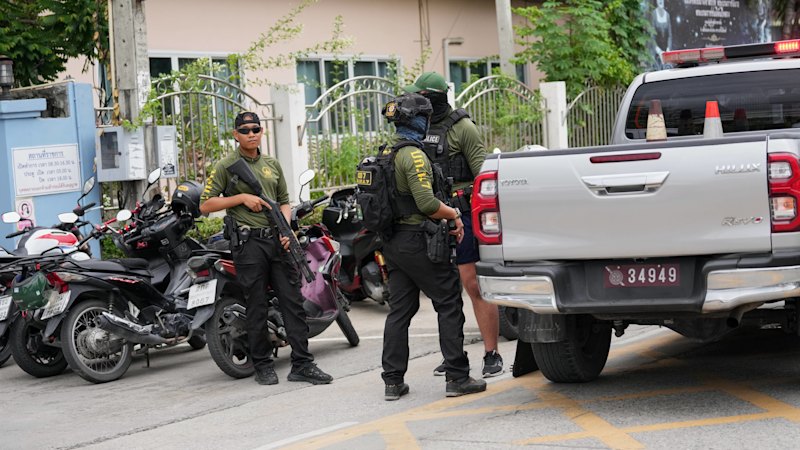
Seven people were killed and fifteen others wounded in a devastating Thailand school shooting that exposed systemic vulnerabilities in regional security, mental health response protocols, and firearms regulation. When the gunfire erupted, initial wire reports focused on the immediate casualty count and the prompt apprehension of the suspect by local law enforcement. Quick bulletins satisfy the news cycle, but they routinely miss the institutional failures that allow such violence to materialize in a society unaccustomed to mass casualty firearm incidents.
Gun violence inside educational institutions remains statistically rare across Southeast Asia, which makes tragedies of this magnitude profoundly disruptive to the national psyche. Unlike jurisdictions where active shooter drills form a routine part of primary education, schools in Thailand operate with open perimeters, minimal physical hardening, and virtually no standardized emergency lockdown protocols. Security guards deployed at gates are typically unarmed or elderly contractors hired for basic property monitoring rather than tactical defense. When a motivated attacker breaches the perimeter, the response time of municipal police forces becomes the sole variable between survival and massacre.
The structural conditions surrounding the incident point directly toward escalating societal pressures. Economic strain, post-pandemic mental health crises, and the widespread availability of both licensed and illicit firearms create a volatile cocktail. Thailand maintains one of the highest civilian gun ownership rates in Southeast Asia. While legal acquisition requires background checks and psychological evaluations, the black market thrives on smuggled weaponry from neighboring conflict zones and decommissioned military stockpiles.
Law enforcement agencies faced immediate scrutiny regarding their intelligence-gathering failures. In many comparable high-fatality incidents globally, perpetrators exhibit clear behavioral markers long before picking up a weapon. Neighbors, colleagues, and family members often report erratic behavior, domestic disputes, or concerning online statements weeks prior to the attack. Investigating officers must determine whether local precincts ignored warning signs or lacked the legal mechanisms to intervene before shots were fired.
Institutional responses from the Ministry of Education have historically relied on temporary measures. Following major security breaches, officials announce perimeter checks, increased police patrols, and mandatory counseling seminars. These initiatives fade as public attention shifts elsewhere, leaving schools just as vulnerable months later. Real reform demands permanent structural investments. Metal detectors, secure single-point entry systems, and professionalized security personnel require capital that underfunded rural schools simply do not possess.
The psychological aftermath for the survivors and the broader community will persist for decades. Childhood development specialists note that exposure to gun violence inside a learning environment shatters the foundational sense of safety required for education. Teachers lack the specialized training needed to identify acute trauma responses in traumatized students, and the national healthcare infrastructure suffers from a severe shortage of qualified psychiatric professionals. Rural provinces, in particular, rely on centralized hospitals where mental health care remains stigmatized and difficult to access.
International observers watching the aftermath recognize familiar patterns. Governments rush to offer condolences and promise sweeping legislative overhauls, yet lobbyists and bureaucratic inertia frequently dilute proposed gun control measures. The intersection of lax enforcement, mental health neglect, and easy access to lethal force guarantees that individual arrests will not prevent future tragedies. Until authorities address the underlying vectors of alienation and weapon availability, schools will remain soft targets in an increasingly unpredictable world.