Water keeps rising across Thailand, and the human cost is climbing right along with it. When authorities confirmed that the death toll from relentless seasonal floods had hit 31, it became painfully clear that standard disaster management isn't keeping pace with the reality on the ground. Millions of lives have been disrupted, and entire communities are left scrambling as heavy downpours refuse to let up.
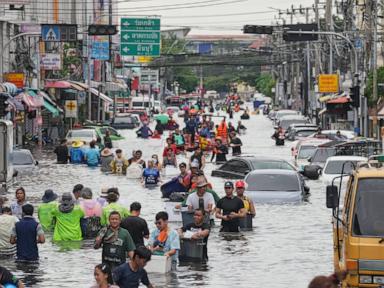
If you've been following the crisis, you know this isn't an isolated puddle problem. Since mid-September, waves of torrential rain have battered dozens of provinces, pushing river basins to their absolute limits and turning urban streets into navigable rivers. Meanwhile, you can find similar developments here: At Sea with No Rules: The Legal Black Hole of the Caribbean Boat Strikes.
The Reality Behind the Numbers
Behind every statistic is a displaced family or a flooded home. The Thai Department of Disaster Prevention and Mitigation reported that over four million people across multiple provinces have felt the impact of these severe weather systems. Bangkok and its surrounding metropolitan zones bore a heavy share of the tragedy, recording multiple fatalities as overflowing rivers and sudden flash floods overwhelmed local drainage networks.
Why does this keep happening? Thailand's geography makes it uniquely vulnerable. The country acts as a massive drainage basin for mainland Southeast Asia, catching runoff from northern regions before it flows down toward the Gulf of Thailand. When relentless monsoon rains combine with high tides and heavy upstream discharges, the capital and central plains turn into a massive holding tank. To see the complete picture, we recommend the excellent report by The New York Times.
Urban development plays a major role too. Concrete expansion
Thailand Flood Crisis Worsens as More Downpours Threaten Communities
news
Heavy monsoon rains continue to batter large parts of Thailand, pushing the death toll from weeks of severe flooding to 31. Entire neighborhoods remain submerged, infrastructure is buckling under the pressure, and local authorities are bracing for another wave of extreme weather. If you're tracking Southeast Asian weather patterns or planning travel to the region right now, the situation on the ground requires serious attention.
The Human Toll and Regional Impact
When floodwaters rise this fast, the statistics lose their punch. Thirty-one people dead isn't just a number on a news ticker. It represents families displaced, homes ruined, and livelihoods washed away across dozens of provinces.
The tropical downpours have hit rural and agricultural districts hardest. Rice paddies that took months to cultivate are now underwater. Livestock has perished, and small business owners are watching their storefronts fill with mud.
Weather forecasters aren't offering much relief. More rain is moving in from the Gulf of Thailand, threatening regions that haven't even had a chance to dry out. Ground saturation is at its peak. Every new drop of rain runs straight into swollen rivers and overflowing canals instead of soaking into the soil.
Why This Wet Season Feels Different
Seasonal monsoons are nothing new in Thailand. Locals expect heavy rains every year between May and October. But the intensity and unpredictability of recent weather events are testing the limits of local drainage systems and flood defenses.
Urban planning plays a massive role here. Concrete expansion in cities like Bangkok and regional hubs leaves rainwater nowhere to go. When heavy monsoon storms dump months of average rainfall in a matter of days, the stormwater management systems simply choke.
Emergency response teams are working around the clock. Boats have replaced motorcycles on many residential streets. Rescue workers are delivering bottled water, dry food, and medical supplies to residents stranded on second floors or roofs. Yet, logistical bottlenecks are common when entire districts turn into lakes overnight.
Economic Ripple Effects
The agricultural sector takes the heaviest blow during these prolonged floods. Thailand stands as a major global exporter of rice and rubber. Crop failures translate directly to surging food prices locally and supply chain hiccups internationally.
Tourism, another vital pillar of the national economy, takes a hit too. While major international airports usually remain operational, regional transport links get severed. Trains stop running when tracks wash out. Highways close due to deep standing water or mudslides. Travelers find themselves stranded miles from their destinations, scrambling for alternative routes.
Practical Steps If You Are in the Region
If you are currently traveling through or living in affected parts of Thailand, staying safe means ignoring the "it will pass" mindset. Water levels rise deceptively fast during peak monsoon surges.
- Monitor official alerts: Keep an eye on local meteorological department updates rather than relying solely on social media rumors.
- Avoid walking through floodwaters: Hidden hazards are everywhere. Open manholes, submerged electrical wires, and sharp debris pose severe risks. Floodwater is also heavily contaminated with bacteria.
- Stock up on essentials: Keep at least a few days' worth of clean drinking water, non-perishable food, and essential medications secured above ground level.
- Delay non-essential travel: If your route takes you through a flood warning zone, stay put until the local authorities give the all-clear.
Emergency shelters are operating across affected provinces. If local officials tell you to evacuate, pack light and move immediately. Waiting until the water cuts off your escape route makes rescue operations far more dangerous for everyone involved.