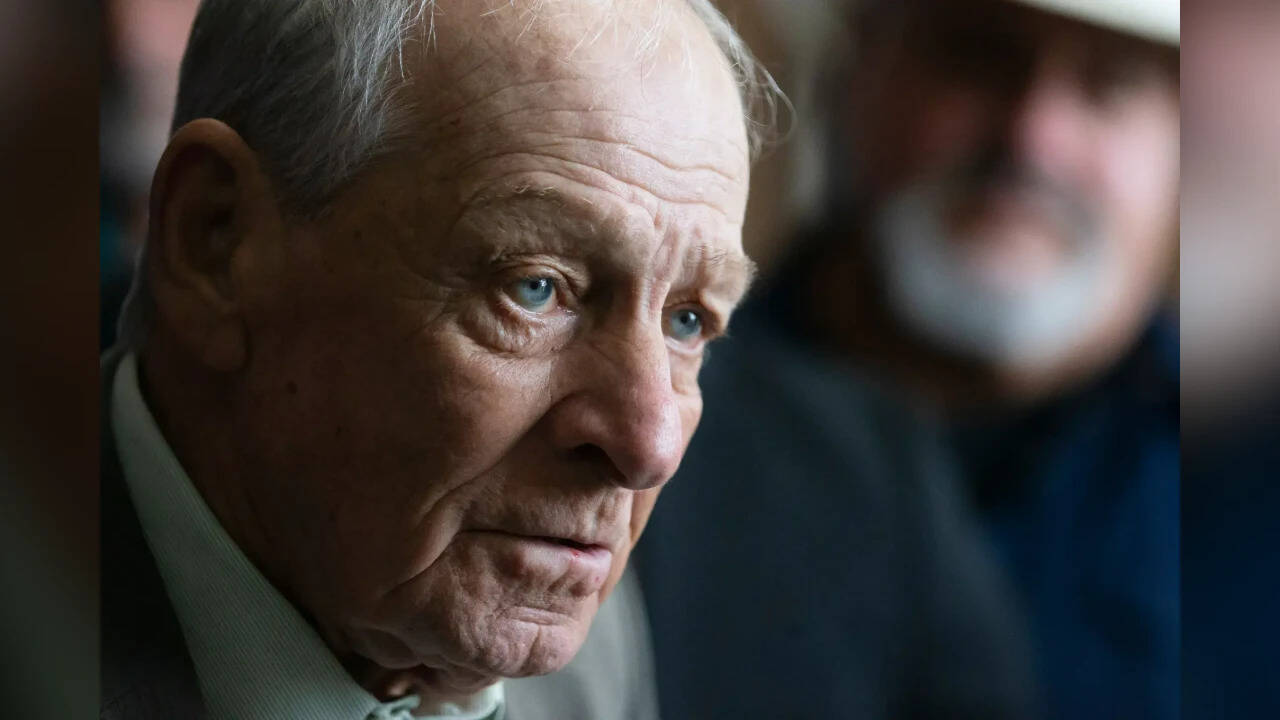
Forty years of silence finally cracked in a Galveston County courtroom. A jury handed down a maximum twenty-year sentence to James Dolphs Elmore Jr. for manslaughter in the 1984 disappearance and death of sixteen-year-old Laura Miller.
If you have followed the grim lore of the Interstate 45 corridor southeast of Houston, you know why this matters. Over thirty girls and young women turned up dead or vanished in this stretch of desolate Texas land. It became known as the Texas Killing Fields. Books, podcasts, and streaming documentaries dug into the horror. Yet, actual accountability remained almost nonexistent.
Until now. Elmore’s conviction stands as the very first legal penalty tied directly to any of the four women whose remains were recovered from a single, infamous patch of dirt off Calder Road in League City.
Inside the Calder Road Field Mystery
The patch of land off Calder Road earned a specific kind of dread. Between 1984 and 1991, the bodies of four young women surfaced in that exact rural field.
Those victims included Laura Miller, Heidi Fye-Villareal, Audrey Cook, and Donna Prudhomme. For decades, families stared at cold case files and felt entirely abandoned by the system. Law enforcement chased whispers, circumstantial evidence, and dead ends.
Elmore's trial exposed the grim mechanics of a decades-old tragedy. Prosecutors established that Elmore prepared a dose of cocaine that his longtime friend, Clyde Hedrick, administered to Miller. Miller vanished in September 1984. Her remains weren't discovered until seventeen months later, in 1986.
The path to this courtroom wasn't standard police work. It came down to relentless parental grief.
The Father Who Would Not Stop Searching
Tim Miller refused to let his daughter's case fade into obscurity. Frustrated by institutional inaction in the 1980s and 1990s, he founded Texas EquuSearch, a nonprofit organization that helps track down missing people across the country. He spent decades walking fields, knocking on doors, and demanding answers.
Few people realize how close Tim Miller got to the alleged perpetrators through his own grit. A few years ago, Elmore actually approached Tim Miller directly. Elmore confessed that he was present when Laura died.
Instead of turning violent or running away, Tim Miller played the long game. The two men met dozens of times over a four-year period. Tim Miller even paid Elmore around thirty-three thousand dollars during this span to extract details. He filmed their visits to locations linked to the crime scene, building a localized archive that eventually fed into law enforcement's renewed interest.
During the trial, jurors watched those exact video recordings. In a courtroom confrontation, Tim Miller pointed directly at Elmore.
"You handed it to Clyde Hedrick. You handed it," Miller told him, breaking down in tears.
What Happened to Clyde Hedrick?
The shadow of Clyde Hedrick looms over every aspect of this case, yet he will never face a jury for it.
Authorities long suspected Hedrick was the primary architect behind the Calder Road murders. Hedrick previously served time for manslaughter in the 1984 death of Ellen Beason, another young woman whose body was dumped elsewhere in Galveston County. He was paroled in 2022.
Earlier this year, prosecutors announced plans to seek grand jury indictments against Hedrick for the Calder Road homicides. That reckoning was cut short. Hedrick died by suicide at age seventy-two before the grand jury could formalize the charges.
With Hedrick gone, defense attorneys tried to shift the blame entirely onto a dead man. Bill Agnew, Elmore's defense lawyer, argued that Elmore had nothing to do with the murder and pointed out that Elmore would have likely testified against Hedrick had Hedrick lived to stand trial.
The jury didn't buy it. They deliberated for just an hour before finding Elmore guilty of manslaughter, returning the next day to hand down the maximum twenty-year sentence.
Broader Reckoning Along the Interstate Corridor
This conviction doesn't tie up every loose end in the vast web of Interstate 45 cold cases. Most of the disappearances along the corridor officially remain unsolved.
Investigators are dealing with multiple offenders across different decades. For instance, Oklahoma death row inmate William Reece pleaded guilty in 2022 to multiple Texas murders, including twelve-year-old Laura Smither and seventeen-year-old Jessica Cain. The criminal landscape of southeast Texas in the late twentieth century was a hunting ground for predators who thought they could vanish into the highway system.
When Kenneth Cusick took over as Galveston County District Attorney, he promised a hard reset on these legacy files. That systemic push, combined with years of private citizen investigation, finally forced a crack in the wall.
Families still wait for answers on Audrey Cook, Heidi Fye-Villareal, and Donna Prudhomme. Elmore's twenty-year sentence closes a single chapter, but it proves that time does not automatically grant immunity. Cold case units reviewing historical files need community pressure, digital tracking updates, and unfiltered persistence to pull other forgotten files into the light.