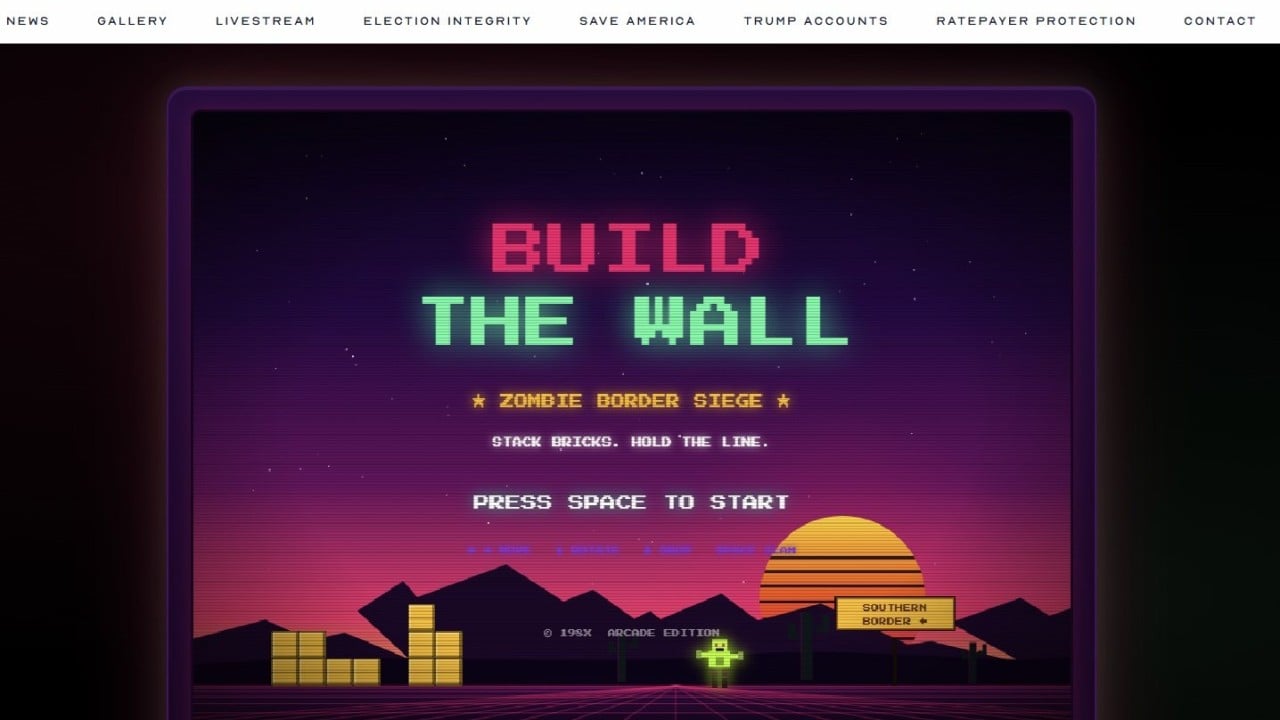
The Tetris Company didn't waste time drawing a hard line after the White House dropped an online arcade featuring a block-stacking clone called "Build the Wall". If you missed the launch, the Trump administration rolled out a collection of retro-style browser games on Arcade.gov meant to promote federal policies through gamified propaganda.
The Tetris team publicly denounced the project, clarifying that they never authorized their intellectual property for the political stunt. In a statement shared across official social channels, developers reminded everyone that Tetris exists to bring people together across cultures, not divide them. They also added a pointed postscript noting they take copyright infringement very seriously and are actively reviewing the matter. Discover more on a connected topic: this related article.
Inside the White House Arcade Launch
The web portal features five distinct low-res mini-games styled after classic arcade and mobile hits. "Build the Wall" mimics the mechanics of the iconic puzzle game invented by Alexey Pajitnov, but swaps line-clearing for stacking physical barriers against incoming sprite characters under the prompt to "protect the border from the coming horde". Further journalism by BBC explores comparable perspectives on the subject.
Other titles in the rollout push different administration talking points:
- Rio Run: A direct spin on the mobile classic Snake where players round up border crossers.
- Make America Healthy Again titles: Mini-games nodding to wellness initiatives and federal savings accounts.
To promote the site, official government social media accounts posted animations spoofing startup screens from major console manufacturers like Xbox, PlayStation, and Nintendo, alongside an altered Sega logo reading "MAGA". None of those gaming giants immediately issued public responses, but Tetris stepped up immediately to distance itself from the association.
The Growing Trend of Unauthorized IP Use in Politics
Using recognizable pop culture touchstones for political engagement bait isn't new, but it routinely lands campaigns in hot water. Pop stars, indie developers, and major publishing houses frequently issue Digital Millennium Copyright Act (DMCA) takedowns or cease-and-desist letters when political entities use their songs, characters, or code without permission.
The core issue comes down to brand safety and creative consent. Major intellectual property holders invest decades into building universal goodwill. When a government body hijacks a universally beloved puzzle format to push a polarizing immigration stance, the copyright owners face an immediate PR dilemma. Do they ignore it and risk tacit endorsement, or push back and risk getting dragged into partisan crossfire? Tetris chose confrontation, signaling that unauthorized clones of legendary code will face direct pushback regardless of who publishes them.
Check your local digital policy updates if you track copyright law, because this dispute might set a sharp precedent for how government agencies handle meme-marketing and retro game spoofing moving forward.


