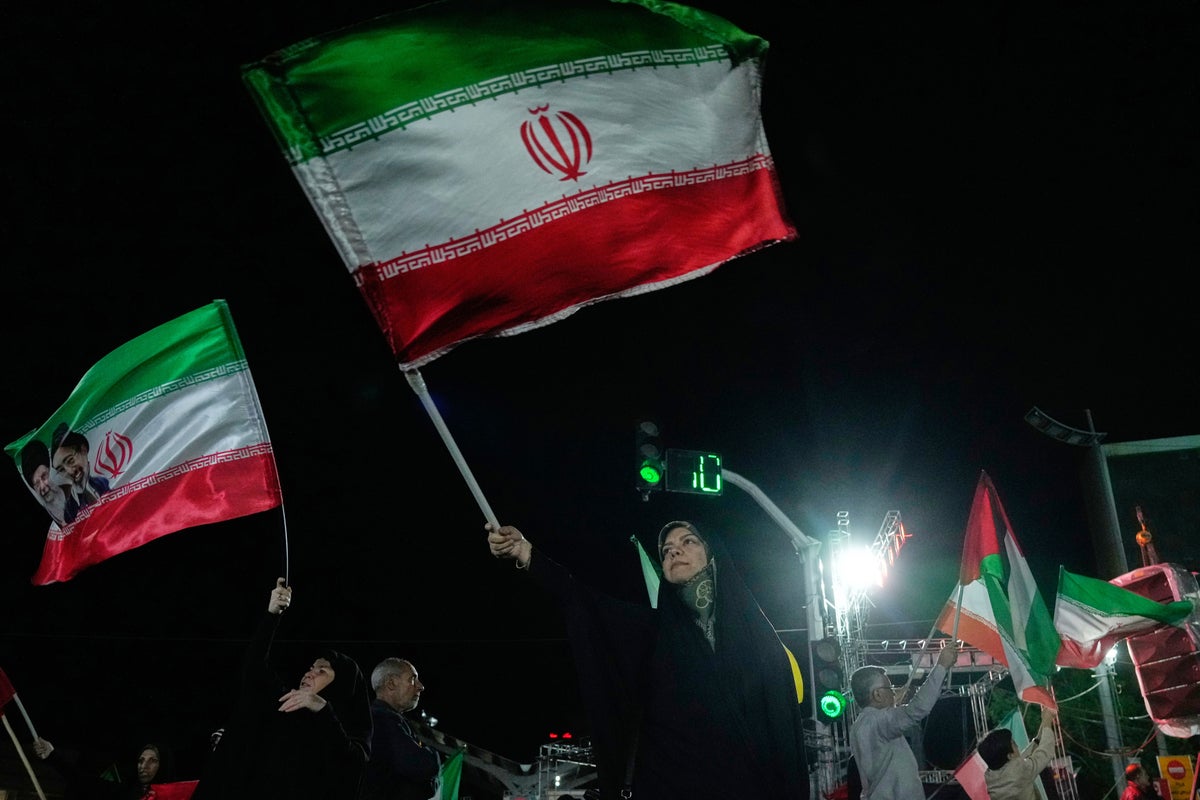
Farhad remembers when a million rials could buy a feast. Now, it barely covers a bag of pistachios and a liter of milk. He stands behind the counter of his small electronics shop in central Tehran, watching the digital ticker of the currency exchange on his phone. It is a flickering monument to uncertainty. Every time the numbers redline, his inventory—shipped through three different middlemen in Dubai and Turkey—becomes a liability rather than an asset. He isn't a politician. He isn't a general. But he is the one paying for a geopolitical gamble being played out five thousand miles away.
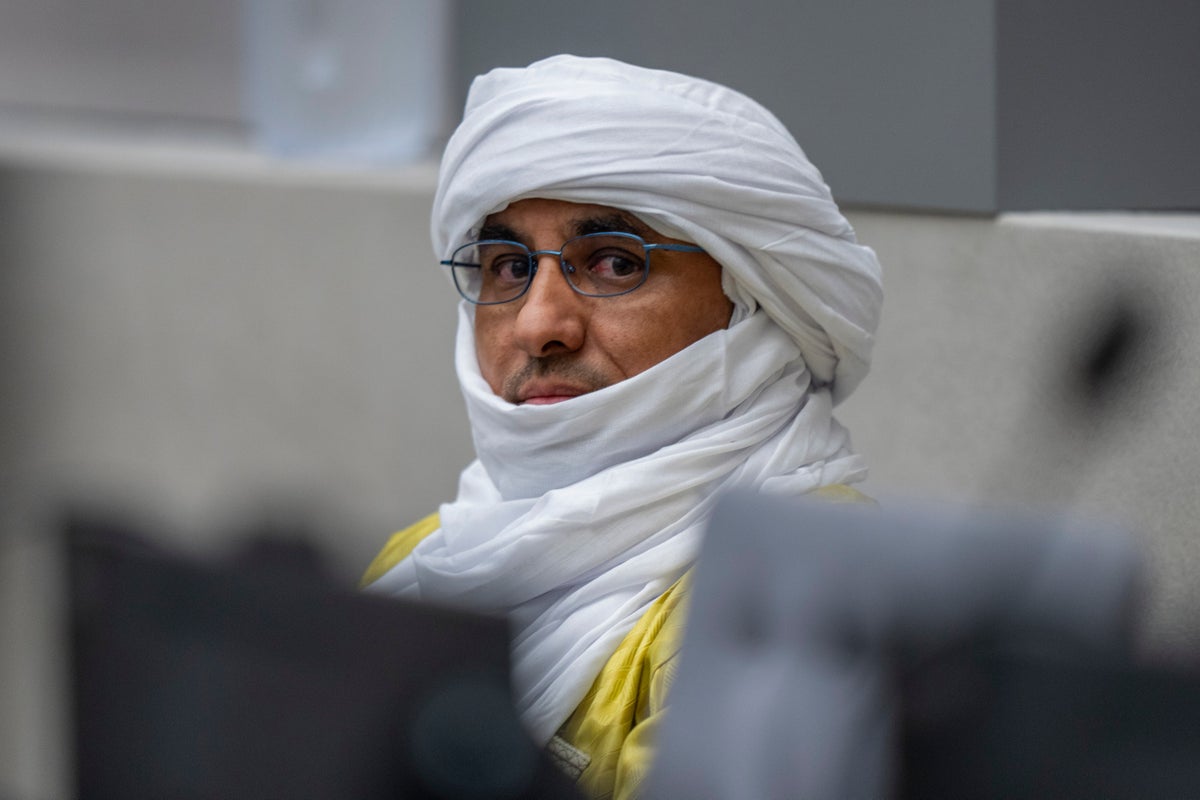
The streets of Tehran are loud, but the silence in the bazaars is louder. It is the silence of people looking at price tags and walking away. Also making news in related news: Why the ICC $8.4 Million Payout for Timbuktu Victims Matters.
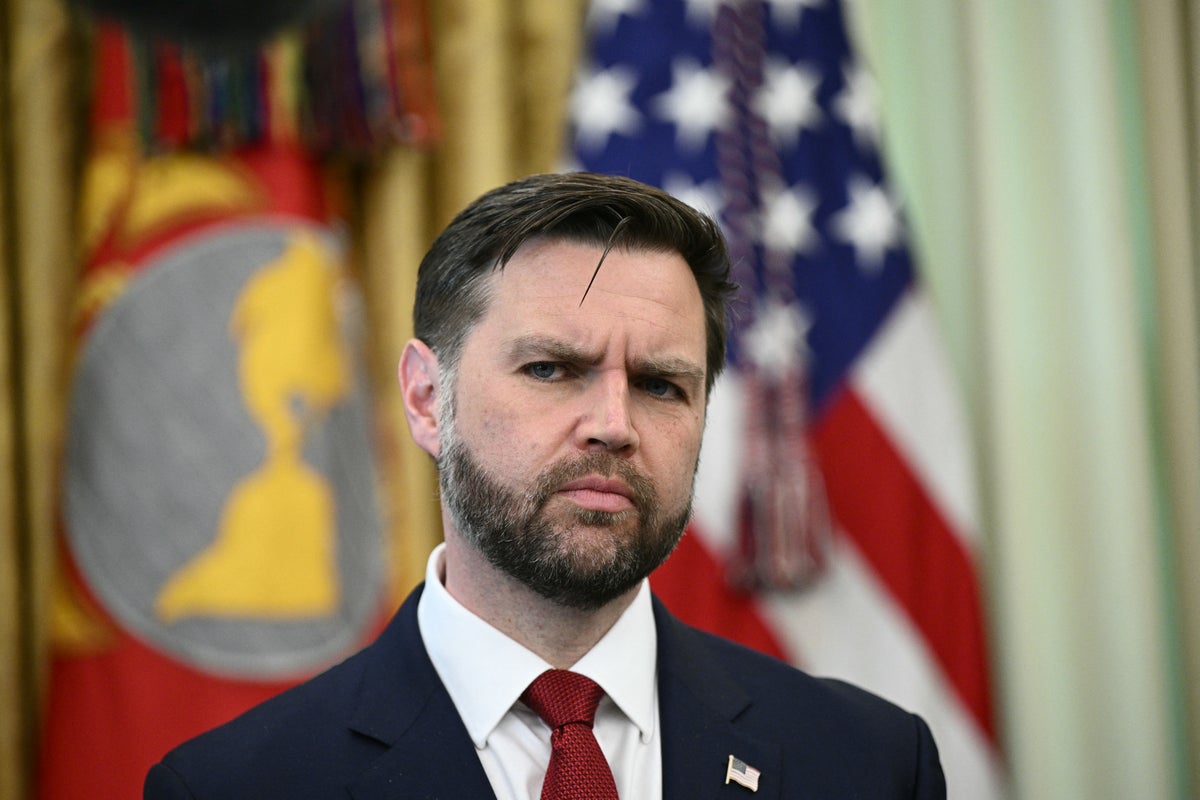
Across the ocean, the air is different. It smells of salt water and expensive lawn feed. Donald Trump is back, and with him, the "Maximum Pressure" campaign has shifted from a historical footnote to a looming reality. The narrative in the West is often framed as a clash of civilizations or a chess match of nuclear proportions. In reality, it is a high-stakes game of chicken where both drivers believe the other will swerve first. The Iranian leadership, entrenched and aging, is betting that the American appetite for conflict is an illusion. They believe Trump is a dealmaker who bluffs. They believe they can outlast him.
They are betting with Farhad's life. Additional information regarding the matter are covered by BBC News.
The Mathematics of a Shrinking World
To understand the current friction, you have to look past the fiery rhetoric of the Friday prayers. Look instead at the oil tankers. They are the circulatory system of the Iranian state. Under the previous American administration, those vessels moved with a cautious, albeit restricted, freedom. Now, the shadow of renewed sanctions has turned the Persian Gulf into a graveyard of economic ambition.
Consider the hypothetical case of a tanker named the Sahar. It carries two million barrels of crude. Under a strict sanctions regime, that oil cannot be sold on the open market. It must be "washed"—transferred from ship to ship in the middle of the night, rebranded as Malaysian or Omani crude, and sold at a massive discount to independent refineries in China.
This isn't just a logistical hurdle. It is a leak in the bucket of a nation. When a country has to sell its primary resource at a 30% discount just to keep the lights on, the math eventually stops working. The Iranian leadership knows this. Yet, their strategy remains frozen in a defiant posture. Why? Because they view Trump not as an ideologue, but as a businessman who hates "forever wars." They are convinced that if they cause enough friction—if they nudge the price of global oil high enough or make the Middle East messy enough—Trump will eventually offer a seat at a gold-plated table to talk terms.
The Invisible Toll of the Blink
We often talk about "the economy" as if it were a weather pattern, something that happens above us. In Iran, the economy is visceral. It is the sound of a father explaining why there is no meat in the stew this week. It is the sight of a graduate student driving a taxi because the tech sector has dried up under the weight of restricted capital.
Inflation in Iran isn't just a percentage point on a central bank chart. It is a thief.
Imagine you saved for ten years to buy a home. You put your money in a local bank, trusting the system. Within twenty-four months, the value of those savings has been cut in half. Then halved again. Your dream hasn't just moved further away; it has evaporated. This is the reality for tens of millions. The leadership in Tehran looks at these people and sees "resilience." The people look at their empty pockets and see a government that values regional influence over the price of bread.
The gamble is based on a specific reading of the 2016-2020 era. During those years, despite the "Maximum Pressure," the Iranian government did not collapse. They pivoted. They built a "resistance economy." They found cracks in the floorboards of the global financial system. Today, they are doubling down on that survivalist instinct. They see a world that is more fractured than it was eight years ago. With Russia distracted by its own wars and China seeking to secure its energy future, Tehran believes it has friends in low places who will help them weather the storm.
The Florida Variable
But there is a flaw in the Iranian calculus. It assumes that the Donald Trump of 2026 is the same one they dealt with before. It ignores the reality that the geopolitical landscape has shifted. The Abraham Accords have changed the math of the Middle East. Iran’s neighbors are no longer just wary; they are integrated.
When Trump looks at Iran, he doesn't see a complex tapestry of Persian history and internal factionalism. He sees a disruptor of the "Great Deal." In his worldview, leverage is everything. By strangling the oil revenue further, he isn't just trying to change Iranian behavior; he is trying to drain the pond to see what’s at the bottom.
The Iranian leadership argues that they have "strategic patience." It is a beautiful phrase that masks a ugly reality. Strategic patience sounds noble in a palace. In a slum on the south side of Tehran, it sounds like a death sentence.
The Breakpoint
What happens when neither side blinks?
History tells us that systems don't usually break slowly. They hold, and they hold, and then they shatter all at once. The Iranian economy is currently a series of improvised patches and bypasses. They use barter systems. They use crypto-mining to generate "clean" currency. They use state-sanctioned smuggling. But you cannot run a modern nation of 85 million people on shadows forever.
The leaders in the North of Tehran, living in villas that seem immune to the rial's collapse, believe they can wait out any American president. They operate on a timeline of decades. They remember the revolution of 1979 and the eight-year war with Iraq. They see themselves as the masters of the long game.
But the long game requires a base that is willing to play.
The protests that have flared up across Iran over the last few years—triggered by everything from hijab laws to water shortages—are the real pressure gauge. The American sanctions act as a catalyst, turning local grievances into existential threats. When the government can't provide basic services because the treasury is dry, the "blink" might not come from the Supreme Leader looking at Washington. It might come from the Supreme Leader looking out his own window.
The Ledger of Human Cost
Farhad finally closes his shop for the day. He hasn't sold a single laptop. The price he would have to charge to break even is more than most people make in a month. He walks through the cooling air of the city, passing a mural of a martyr from a war that ended before he was born.
He is tired of being a pawn in a game of global poker. He doesn't care who blinks first. He just wants to know if he will be able to afford the rent next month, or if he will have to join the millions of others who have traded their dreams for a desperate, daily survival.
The tragedy of the "Maximum Pressure" vs. "Strategic Patience" stalemate is that both sides can claim victory while the middle ground burns. Washington can point to a crippled Iranian treasury as a success. Tehran can point to its continued existence as a triumph of the spirit.
In the quiet of his apartment, Farhad turns on the television. He sees the news from America, the speeches, the rallies, the talk of "strength" and "deals." He turns it off.
The light in his room flickers—a brownout, common now as the power grid fails from lack of investment. He sits in the dark, waiting for the world to decide his fate, while the men in the high offices of two distant capitals continue to stare at each other, eyes wide, waiting for the first tear to fall.