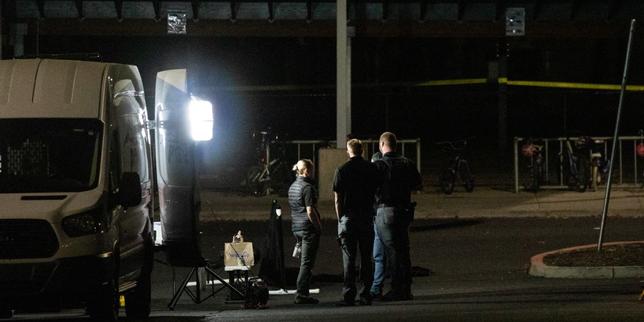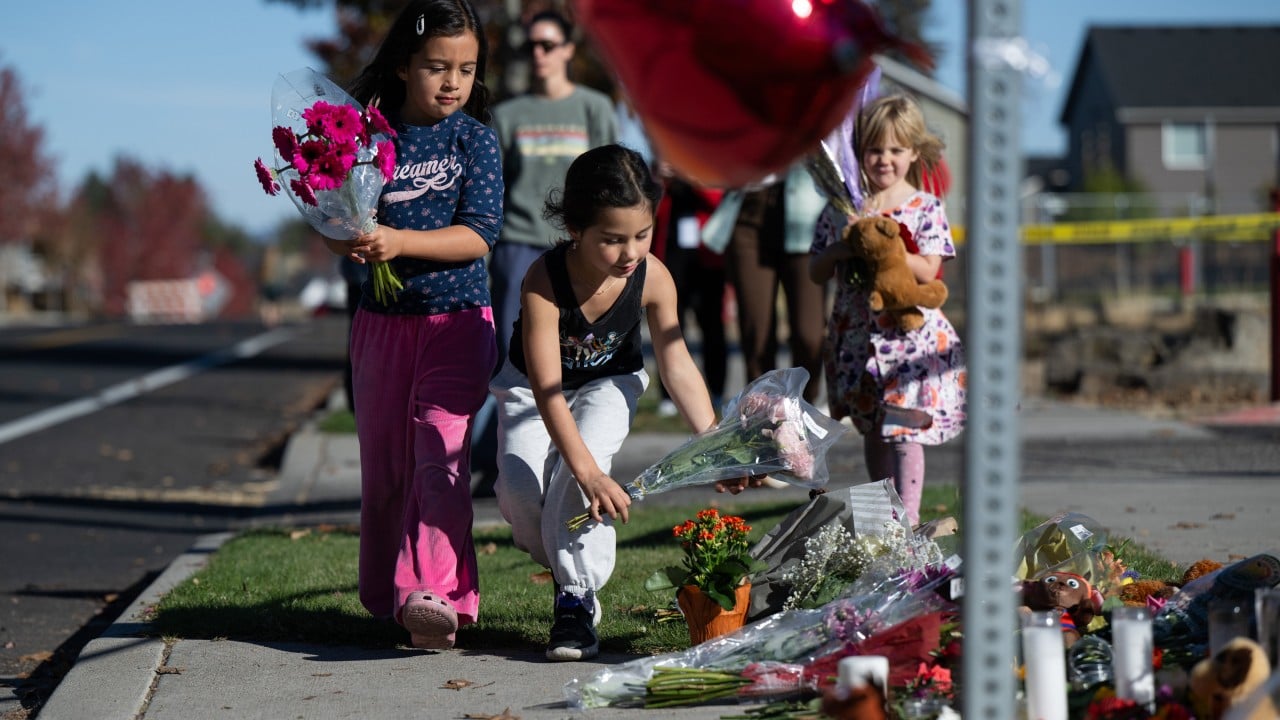
When a teen gunman is tackled by a teacher and then shot by a parent during an attack on a school or youth venue, the incident exposes a painful breakdown in institutional security and forces communities into an immediate, chaotic reckoning over civilian intervention. In these moments, the official perimeter has already failed or arrived too late. Ordinary people—educators whose job is instruction, not hand-to-hand combat, and parents rushing toward danger—become the last physical barrier between a shooter and children. The surface headline focuses on split-second heroism and lethal force. Beneath it lies a far harder question about why untrained civilians are stepping into tactical voids and what happens legally, physically, and psychologically afterward.
Having spent decades covering public safety, emergency management, and crime reporting, I have seen how quickly neat narratives form around violent crises. A headline promises clarity. One person tackles. Another fires. Case closed in the public mind. Reality rarely moves that cleanly. Chaos compresses time, distorts perception, and leaves behind layers of liability, trauma, and policy failures that take months or years to untangle.
The Anatomy of a Split Second Intervention
Violence inside a school, athletic facility, or youth program rarely unfolds like a movie scene with clear choreography. Noise echoes off tile and concrete. Sightlines break down as people sprint in opposite directions. A teacher who moves to tackle an armed teenager is acting on an immediate survival or protection reflex, often with zero tactical training in closing distance against an active shooter. Tackling a person holding a firearm requires getting past the muzzle without getting shot, pinning a moving target who may be panicked or armed with secondary weapons, and holding that ground while adrenaline spikes heart rates past one hundred eighty beats per minute.
Now add a second variable into that physical struggle. A parent arrives on scene or is already nearby and sees a threat. In the confusion of a dynamic brawl, distinguishing a gunman from a wrestling teacher or a plainclothes responder can become dangerously difficult. Even when a parent has a clear sightline and a clear moral conviction that they are saving lives, firing a weapon in an active or recently active crisis carries severe risks. A stray round can strike an innocent bystander or the very educator who just pinned the suspect.
When civilians supply the security response, courage and catastrophic risk sit inches apart.
Consider a hypothetical example to illustrate how fast a well-intentioned move can complicate a tactical scene. Suppose a parent rushes toward a building entrance after hearing gunfire, spots an armed teen struggling on the floor with a staff member, and fires to stop the threat. Even if the shot neutralizes the attacker, arriving officers do not walk into a labeled scene. They walk into gunfire, smoke, screaming, and armed individuals whose identities are unknown. Every extra gun in a crisis adds another decision point for arriving law enforcement, and every split-second misidentification carries lethal stakes.
Why Civilians Keep Filling the Security Gap
You do not see teachers tackling shooters and parents firing weapons in a vacuum. Those moments happen when prevention, access control, and rapid professional response fall short of what the moment demands. Over the past twenty years, school and youth safety budgets have poured billions of dollars into cameras, locked doors, buzzer systems, and active-shooter drills. Some of those measures work well when paired with disciplined habits. Others create a false sense of security.
A locked exterior door does nothing if someone props it open or slips in behind a crowd. A surveillance camera records faces and hallways; it does not physically stop an assault in progress. Even when armed school resource officers or local patrol units respond quickly, response times are measured in minutes while violence inside a room is measured in seconds. That gap between the first shot and the first uniformed officer is where civilian intervention happens.
There is also a cultural shift driving parents closer to the perimeter rather than away from it. Decades ago, emergency protocols almost universally urged families to stay far away from a scene so first responders could work unimpeded and reunification could happen safely elsewhere. Today, real-time group chats, location-sharing apps, and live alerts mean parents often know trouble is brewing before official channels finish verifying facts. Many refuse to wait at a staging area miles away. That instinct is human and understandable. It also collides head-on with crowd control, scene security, and ballistic safety.
The Legal and Psychological Aftermath Nobody Prepares For
After the immediate danger ends, the legal and emotional machinery grinds into motion. A teacher who tackles a teenager may face physical injuries ranging from concussions and torn ligaments to gunshot wounds, along with severe acute stress. Even when praised publicly as a hero, that educator may worry about retaliation from the attacker's family, civil lawsuits, or whether district policies actually cover physical confrontation. In many jurisdictions, educators receive training on lockdown procedures and verbal de-escalation, not grappling techniques or post-trauma legal protection.
For a parent who shoots an assailant, the aftermath is often even sharper. Self-defense and defense-of-others laws vary widely by state, and prosecutors do not simply take a celebratory headline at face value. Investigators must reconstruct angles, distances, witness accounts, ballistics, and whether the threat had already been neutralized or remained active at the exact moment the trigger was pulled. A person who acted to protect children can spend months under investigation, facing grand jury review, civil liability claims, and financial strain even when cleared of wrongdoing.
| Dimension | Teacher Physical Intervention | Parent Armed Intervention | Formal Law Enforcement Response |
|---|---|---|---|
| Primary Advantage | Immediate proximity inside the space | High urgency to protect own or others' children | Dedicated training, protective gear, command structure |
| Core Vulnerability | High risk of injury during close contact | Misidentification risk, legal exposure, collateral danger | Travel time from initial call to entry |
| Training Baseline | Typically drills and basic safety briefings | Varies widely from none to regular range practice | Structured tactical and use-of-force protocols |
| Post-Incident Burden | Physical recovery, trauma, policy scrutiny | Criminal review, civil risk, severe psychological toll | After-action audits, liability, operational trauma |
None of this erases the bravery of someone who steps forward when children are in peril. Calling an action heroic does not mean it was a sustainable or safe substitute for systemic prevention. Both truths can exist at once. Acknowledging the danger of civilian armed intervention is not an insult to a protective parent; it is a sober look at how firearms behave in crowded, high-stress environments.
What Actually Moves the Needle on Youth Violence
If communities want fewer moments where a teacher has to wrestle a gunman or a parent has to pull a trigger, the focus has to shift earlier along the timeline. Most severe youth violence does not erupt out of nowhere without warning signs. Behavioral threat assessment teams—when properly staffed, trained, and connected to mental health and family support—can spot escalating grievances, fixation on weapons, or acute crisis before a weapon ever reaches a campus. Those programs are unglamorous. They do not generate dramatic headlines when they prevent an attack. They do far more real work than another drill.
Physical security needs honest audits rather than check-the-box spending. That means checking whether doors actually latch, whether visitor logs are enforced consistently, whether radios work across dead zones inside buildings, and whether staff know how to barricade rooms and communicate location data clearly to dispatchers. Technology helps only when people practice the basics until they become muscle memory.
Clear reunification planning matters just as much. Districts and event organizers often design elaborate emergency plans on paper that fall apart the moment panicked parents arrive at the main gate. Communicating early, clearly, and honestly during an unfolding crisis reduces the urge for dozens of individuals to converge blindly on an active scene.
Hard Questions Communities Avoid Asking
There is a reason debates around school and youth safety keep recycling the same talking points. Easy answers feel comforting. Hard trade-offs force uncomfortable conversations about responsibility, firearm access, mental health care, and the limits of human reflexes under extreme stress. When a teen gunman is tackled by a teacher and shot by a parent, the instinct is to crown winners and assign blame in a single breath.
Real accountability requires looking at every link that failed before that confrontation occurred. How did a teenager obtain a firearm? What warning signs were missed or dismissed? Why was there no trained security presence or barrier capable of slowing the threat earlier? What support systems exist for the adults left carrying the physical and emotional scars of that afternoon?
Look closely at the next crisis response plan your local school board or youth organization puts forward. Ask who is expected to act in the first three minutes, what training they actually have, and what happens to them after the sirens stop.