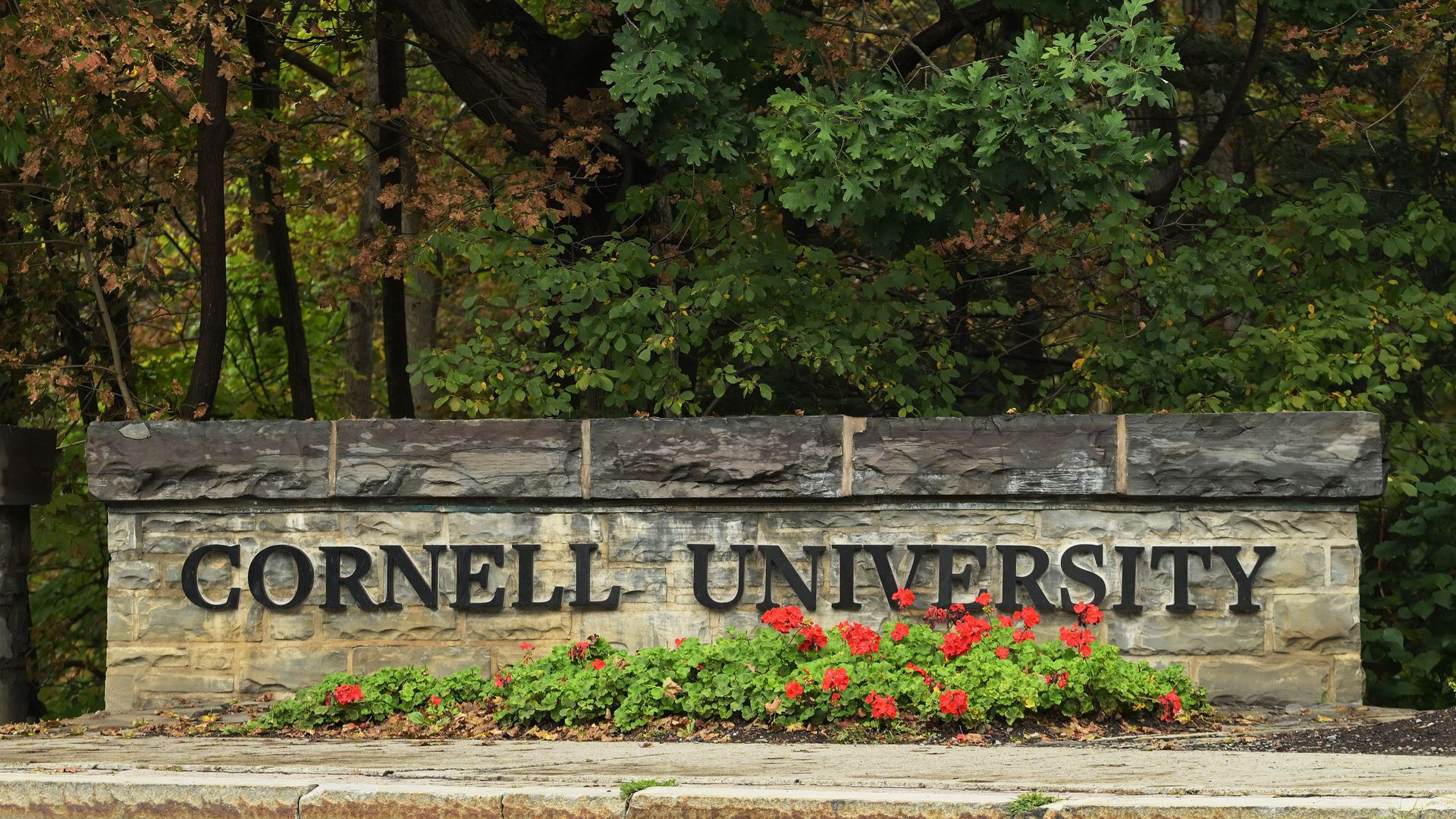
Autumn in Ithaca arrives with a sharp, metallic chill that clings to the gorges and shakes the last bronze leaves from the oaks. On a crisp morning in October 2026, the air above Cornell University felt heavier than usual. Students walked past stone lecture halls with eyes cast down or jaw muscles clenched, carrying a shared, unspoken weight. A civil lawsuit had brought a harrowing 2024 allegation of gang rape at a fraternity house into harsh public view, sparking sit-ins, protests, and a fierce reckoning over how institutions respond when someone cries out for help.
Amidst that storm, a Cornell professor spoke out with a quiet, urgent hope: that painful conversations born out of crisis might become the seed of a movement for true change. Meanwhile, you can read related developments here: Advance Voting in Kelowna by the Numbers What Most People Miss.
Hope.
It is a fragile word to utter when trust is fractured. When a survivor says she was drugged and assaulted over hours, and when she feels disbelieved or left unsupported by the very place meant to protect her education and safety, hope can sound less like comfort and more like a dare. Yet in moments of institutional shock, a professor's voice often carries a distinct weight—not because one person can rewrite every rule overnight, but because classrooms, hallways, and faculty assemblies are where daily culture actually lives. To explore the bigger picture, we recommend the recent analysis by NBC News.
Why Grief Alone Never Rewrites a System
When a crisis erupts on a university campus, the immediate instinct is often to look for a single headline or a quick measure. Officials issue statements. Rules are tightened. Fraternities face suspensions or bans on social events. In the aftermath of the Cornell case, the university moved to halt fraternity parties and later announced a broader review examining Greek life and its ties to student housing, alongside outside scrutiny involving former acting U.S. Attorney General Sally Yates and state officials.
Still, anyone who has ever watched an institution weather a scandal knows the difference between a press release and a real shift in behavior. A party ban can clear a calendar for a semester. A task force can draft a thick binder of recommendations. Neither automatically changes how a scared student is treated at two in the morning when she walks into an office, nor does it guarantee that peers will intervene before harm happens.
Consider a hypothetical scenario—a composite sketch built from what counselors and advocates see repeatedly on college campuses rather than any single person's private diary. Imagine Maya, a sophomore living in off-campus housing who hears a friend whisper that something terrible happened at a weekend gathering. Maya wants to help, yet she hesitates. She wonders who will believe her. She wonders if reporting will drag her friend through months of exhausting questions while life on campus keeps spinning merrily along. Multiply Maya's hesitation by hundreds of students across a semester, and you begin to see the invisible stakes behind every policy debate.
The visible stakes are easy to count: lawsuits, protests, votes of no confidence, headlines across the country. The invisible stakes are quieter and far harder to measure. They live in sleepless nights before midterms, in the sudden drop in class attendance, in the quiet decision a survivor makes to transfer or withdraw because the walk past a certain building feels like walking through glass.
I have sat across from students whose hands shook so badly they could barely hold a mug of tea while trying to explain why they missed three weeks of lectures. You do not forget that sound—the strained, careful voice of someone rationing every word so they do not sound "too emotional" or "not credible enough." In those rooms, abstract debates about procedure turn painfully concrete.
The Tug-of-War Between Reputation and Safety
To understand why real reform is so stubborn, it helps to look at the competing pressures inside a large university. Think of an institution like an old suspension bridge spanning a deep gorge. This is a metaphor for how a university balances competing priorities: one cable is academic mission and student wellbeing; the other is institutional reputation, legal exposure, and tradition. When wind picks up—whether from a public scandal, a lawsuit, or political scrutiny—the bridge shudders. Leaders often tighten the cables meant to hold the structure steady against criticism, sometimes without noticing that the walkway beneath students' feet still feels unsteady.
In the Cornell fallout, tensions flared on multiple fronts at once. Students staged protests and sit-ins demanding stronger accountability and protection. Faculty bodies debated and passed a no-confidence resolution expressing deep dissatisfaction with how the administration handled sexual assault response. Critics and legal representatives for the plaintiff argued that years of inaction and a tendency to guard institutional standing had failed a student when she needed support most. Meanwhile, university leadership pointed to disciplinary actions taken in the case, limits tied to criminal investigations, and ongoing reviews meant to guide future changes.
Why does this clash feel so familiar across higher education? Because universities are strange, layered places. They are centers of learning and mentorship, yet they also operate like sprawling corporations managing liability, real estate, alumni networks, and public image. When those roles collide, students can end up feeling like bystanders in a legal and bureaucratic chess match rather than human beings in crisis.
And let's be honest: the questions surrounding campus sexual violence, consent, and institutional accountability are genuinely hard. Navigating due process, privacy, trauma, alcohol or substance impairment, criminal law, and campus codes of conduct is messy work. Pretending there is a simple switch someone can flip to make everything clean and painless only sets people up for cynicism when the next hard case arrives.
What Turns a Moment Into a Movement
If grief and anger are the spark, what keeps a movement alive once the cameras pack up and finals week begins?
History shows that lasting cultural shifts rarely come from a single speech, no matter how eloquent. They happen when everyday norms start feeling unacceptable to the people living inside them. Think back to earlier waves of campus and workplace reform: change gained traction when bystanders stopped treating harmful behavior as "just how things are," when mentors backed students publicly instead of urging quiet endurance, and when accountability became routine rather than an emergency reaction.
A second hypothetical scenario helps show how that shift looks on the ground. Picture Daniel, a junior who has spent two years brushing off crude jokes in group chats because he didn't want to seem uptight or ruin the mood. After weeks of campus protests and honest discussions in his seminar room, Daniel realizes his silence was part of the wallpaper that made bad behavior feel normal. The next time a line is crossed, he doesn't deliver a grand lecture—he simply says, "Nah, that's not cool," and changes the dynamic in the room. Small moments like that don't make front-page news, yet they alter the climate a student breathes every day.
A professor speaking out for a movement for true change is pointing toward that exact threshold. Classrooms and office hours give educators a front-row seat to how young adults process shock, fear, and moral responsibility. When faculty members refuse to look away, listen without judgment, and press for transparent answers from leadership, they bridge the gap between high-minded campus ideals and lived reality.
Real progress also demands follow-through that outlasts a news cycle. It means listening sessions that actually shape policy rather than checking a box. It means clear, compassionate support for anyone who comes forward, without threats, intimidation, or endless runarounds. It means honest scrutiny of student organizations, housing culture, and reporting pathways—not to punish innocent people blindly, but to stop hiding harm behind closed doors.
Listen.
Change hurts when old habits get called out. It feels uncomfortable when comfortable traditions are questioned. Yet staying stuck in cycles of outrage, denial, and half-measures hurts far more.
Out in Ithaca, the wind still sweeps down the gorges, rattling bare branches against old stone walls. Somewhere on campus, a student is opening a notebook, a professor is preparing for a morning seminar, and a community is deciding whether this painful chapter will fade into memory—or become the morning everything finally began to shift.