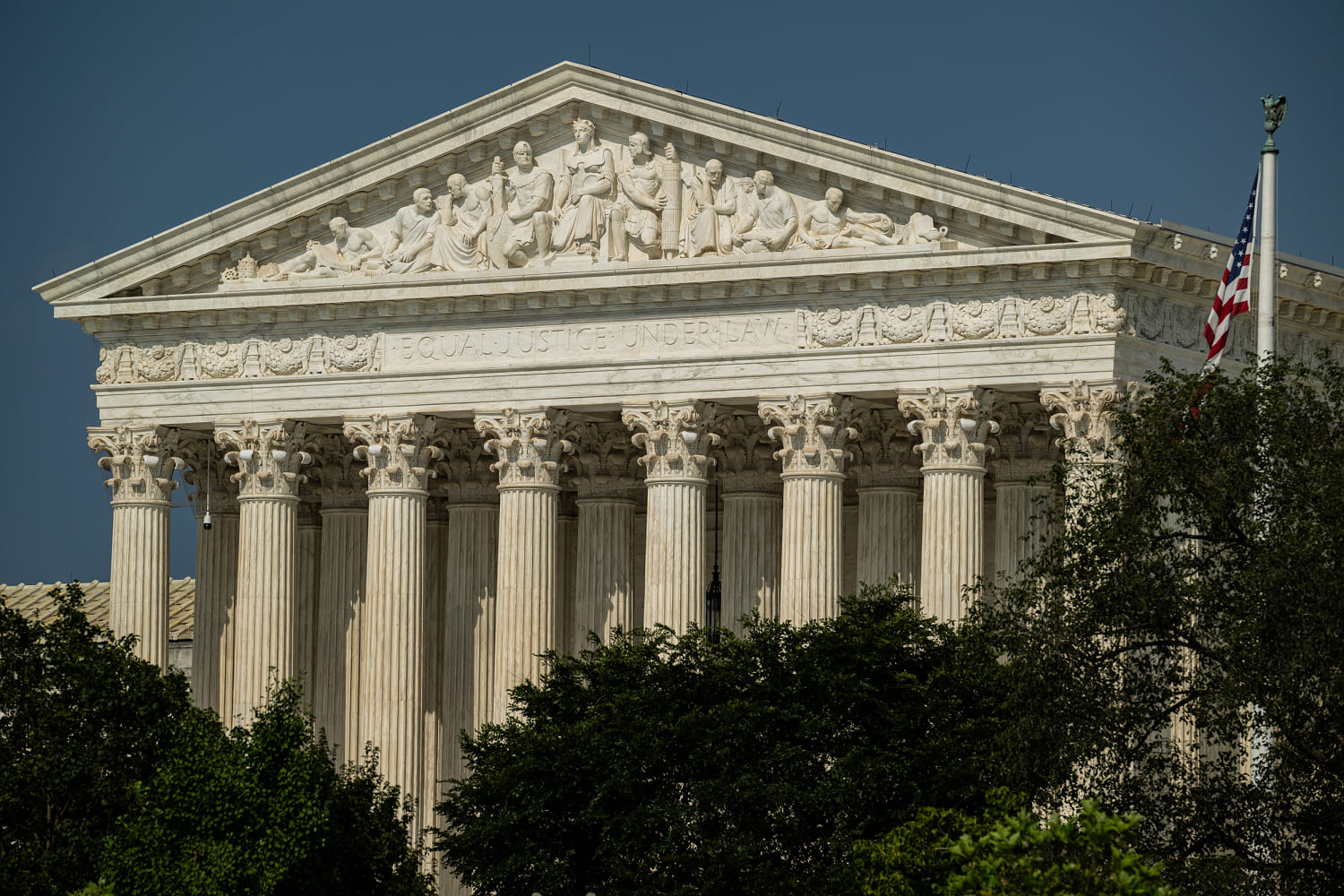
Immigration enforcement in the United States just entered uncharted territory. When the Supreme Court stepped in to allow the Trump administration’s third country deportation policy to move forward, it signaled a massive shift in how federal removal operations function. You aren't just looking at standard border enforcement here. This is a complete structural pivot that lets federal authorities send migrants to nations where they have zero historical, cultural, or familial ties.
If you've been following how the Department of Homeland Security operates, you know that traditional deportations usually send a person back to their country of origin. The third country removal mechanism breaks that mold entirely. Under this framework, individuals can be flown out to alternate nations—places
Why the Supreme Court Safe Third Country Asylum Ruling Changed Everything
news
Immigration policy rarely stays confined to the courtroom. When the legal battles shift, the impact hits borders and processing centers immediately. The Supreme Court's decision to allow the Trump administration's "third country" asylum policy to take effect nationwide sent a massive shockwave through the immigration system. Most people miss the operational reality of how these rules actually reshape who gets heard and who gets turned away.
Let's clear up what this rule actually did. Under the policy, migrants traveling through another country to reach the southern border must apply for asylum in that transit country first. If they fail to do so, they're automatically ineligible for asylum in the United States. It's a massive procedural barrier. Critics called it a functional ban on asylum. Supporters called it a necessary measure to curb system abuse. Both sides missed the chaotic implementation on the ground.
The Mechanics Behind the Transit Rule
The policy fundamentally redefined the legal obligations of the United States toward asylum seekers. Historically, anyone stepping onto U.S. soil had the right to request protection from persecution. This rule flipped that standard on its head.
If you fled violence in Central America, crossed through Mexico, and reached a U.S. port of entry without first asking Mexico or another intervening nation for asylum, your claim was dead on arrival.
This created an impossible bottleneck. Transit countries often lack functioning asylum infrastructures. Asking a family fleeing cartel violence to navigate a complex, foreign legal system in a country where they face similar threats isn't a realistic safety valve. It's a rejection disguised as redirection.
Legal Battles and Judicial Politics
The path to this Supreme Court intervention was messy. Lower courts issued nationwide injunctions, arguing the rule violated existing immigration statutes. Federal judges in California and Washington drew immediate lines in the sand, halting the policy's rollout while litigation proceeded.
The administration pushed back aggressively, taking the fight all the way to the high court. The Supreme Court's decision to stay those lower court injunctions signaled a major win for executive authority over immigration enforcement.
When the court allows a policy to take effect while appeals wind through lower courts, it tilts the power balance heavily toward the executive branch. The practical effect is simple. Months or years of legal wrangling happen while a restrictive policy remains active, reshaping populations and processing norms in real time.
Operational Realities at the Border
Lawyers, advocates, and border agents faced an overnight shift in protocol. Asylum officers had to screen claims differently. They weren't just evaluating whether an applicant faced credible fear of persecution in their home country. They had to interrogate the transit route.
- Which countries did you pass through?
- Did you apply for protection there?
- Can you prove you were denied?
The burden of proof shifted onto people who often carried no documentation, no legal representation, and zero understanding of complex administrative hurdles. Legal aid organizations scrambled to provide guidance, but the sheer volume of cases made individualized support nearly impossible.
The Broader Precedent for Future Administrations
This fight wasn't just about one specific rule. It set a high-stakes template for how future administrations can bypass traditional legislative gridlock to reshape immigration. When statutory interpretation becomes a battleground for executive policy, the courts become the ultimate arbiters of border enforcement.
If you want to understand where immigration policy is heading, look past the political rhetoric on cable news. Watch the administrative mechanisms. Watch how rules are drafted to exploit loopholes in existing laws, and watch how federal courts respond when challenged. The third country transit rule proved that executive branches can fundamentally alter the asylum landscape without a single vote in Congress.
Understanding these dynamics requires looking at the actual legal architecture, not just the headlines. The system remains stressed, fragmented, and constantly reactive to shifting judicial winds.