We rely on an assumption of absolute security in our military industrial complex. That assumption fractured when investigators confirmed that components destined for the F 35 Lightning II fighter jet program found their way into Chinese manufacturing pipelines. This discovery exposes deep vulnerabilities in the multi-tiered defense subcontracting network.
The globalized defense economy operates on cost reduction and specialized manufacturing. Prime contractors outsource sub-assemblies to hundreds of smaller suppliers across the globe. When a specialized magnet or microchip passes through multiple tiers of subcontractors, tracking its exact provenance becomes nearly impossible. Read more on a connected issue: this related article.
Federal investigators revealed that a subcontractor used unauthorized alloys sourced from restricted nations to cut production expenses. This lapse bypasses strict International Traffic in Arms Regulations. Defense officials downplayed the immediate risk, arguing that these specific raw materials undergo rigorous testing and are scrubbed of software backdoors before integration into active airframes.
That explanation misses the larger structural flaw. Additional journalism by TechCrunch delves into related views on the subject.
When a fifth-generation stealth fighter relies on supply chains that intersect with geopolitical rivals, the risk profile changes entirely. The issue is not merely about an individual magnet or a single non-compliant alloy. The systemic vulnerability lies in the lack of end-to-end visibility across subcontractor networks.
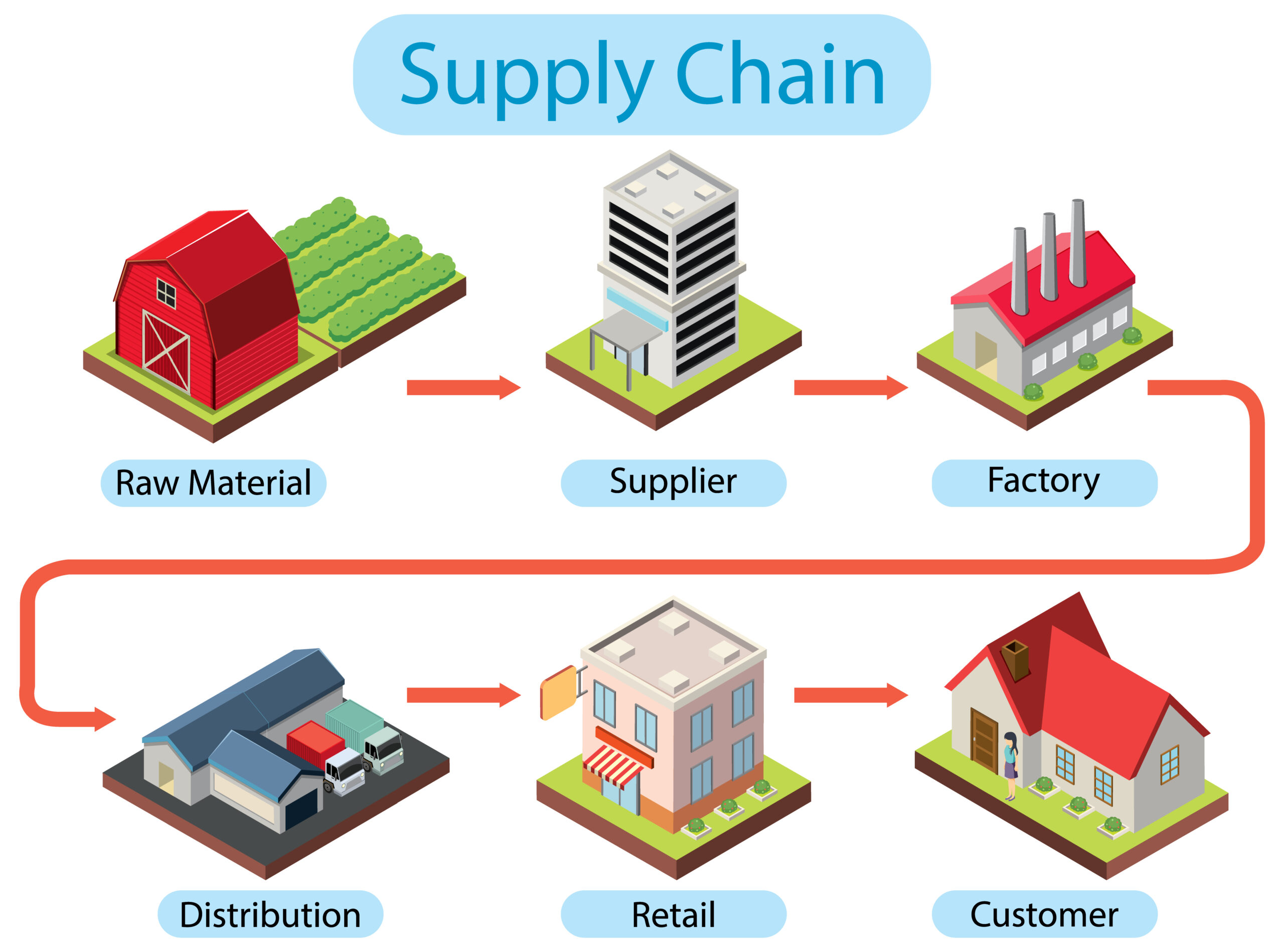
Consider how modern aerospace manufacturing works. A major prime contractor designs the airframe, but the sub-components come from thousands of tier-one, tier-two, and tier-three suppliers. Each tier outsources specialized machining, casting, and finishing processes. By the time a component reaches final assembly, it has crossed international borders multiple times.
In this environment, paper trails are easily manipulated. A broker can buy surplus material from an unverified distributor, re-certify the paperwork, and sell it upstream to a defense supplier. The auditing process relies heavily on self-reporting and periodic spot-checks.
The Oversight Gap
Current defense procurement rules prioritize speed and cost over absolute traceability. Congress demands lower per-unit costs for the F 35 program, pushing contractors to squeeze margins wherever possible. Subcontractors respond by sourcing cheaper materials or outsourcing labor to lower-cost jurisdictions.
Security protocols have not kept pace with globalized supply chains. While top-tier facilities maintain fortress-like physical and digital security, lower-tier suppliers often lack the resources to maintain identical standards. These smaller workshops represent the soft underbelly of defense logistics.
A machine shop producing a simple bracket for an engine mount might also produce commercial automotive parts. If that shop mixes material batches or fails to segregate inventory, restricted metals easily contaminate defense orders.
Rethinking Defense Logistics
Fixing this vulnerability requires a fundamental shift in how the military procures hardware.
First, the Department of Defense must mandate full lifecycle traceability for every critical material used in weapons systems. Blockchain-based ledgers and immutable digital twins can track a raw ore sample from the mine to the final assembly plant.
Second, auditing must become continuous rather than episodic. Relying on annual compliance paperwork leaves months or years of blind spots where unauthorized substitutions can occur. Independent inspectors need real-time visibility into shop floors and material inventories.
Third, the industrial base needs a protected domestic or allied-only supply tier for critical raw materials. Relying on complex international supply chains for components that touch national security is a strategic miscalculation.
The recent discovery involving the F 35 program should serve as a wake-up call. The next generation of defense readiness depends not just on advanced avionics and stealth coatings, but on knowing precisely who built every single bolt in the airframe.