Warm weather drives people outside, but it also drives up the number of rabies exposures nationwide. When the Centers for Disease Control and Prevention issues a health advisory warning about a seasonal spike in animal rabies activity, most people shrug it off. They picture frothing dogs from old horror movies and figure they are safe since domestic pets have routine shots.
That mindset is dangerous. Rabies isn't just a stray dog issue anymore. About 90% of reported animal rabies cases happen in wildlife, and summer is prime time for human encounters with those exact creatures.
The Reality Behind the Summer Spike
Every year from July through August, health agencies notice a sharp jump in rabies-related inquiries and post-exposure treatments. More people are hiking, camping, gardening, and letting pets roam outdoors. At the same time, wildlife populations are active, raising families, and occasionally wandering into suburban backyards.
Bats, raccoons, skunks, and foxes are the primary culprits. If you spot a nocturnal animal wandering around in broad daylight, or an animal acting lethargic, uncoordinated, or aggressively unprovoked, you are looking at a potential vector.
People mess up by assuming a wild animal looks obviously sick if it has rabies. That is false. An infected animal can look completely normal while shedding the virus in its saliva.
Why Bats Are Your Biggest Hidden Threat
Most people think a bite is obvious. If a raccoon sinks its teeth into your hand, you'll know instantly. But bats operate under entirely different rules.
Bat teeth are microscopic. You might wake up with a bat in your bedroom and assume it just flew in through an open window without touching you. You might not feel a bite if you were sleeping, intoxicated, or if a child was the one in the room.
Public health officials routinely recommend post-exposure prophylaxis if a bat is found in a room with a sleeping person or an unattended child who cannot reliably communicate whether physical contact occurred. Ignoring a loose bat because you didn't feel a distinct puncture wound is a gamble you shouldn't take.
What Actually Happens If You Get Exposed
If an animal bites or scratches you, time is your enemy. Rabies attacks the central nervous system. Once clinical symptoms appear, the virus is almost universally fatal. There is no cure at that stage.
Yet, the preventive treatment works exceptionally well if you get it early. Post-exposure prophylaxis involves a dose of human rabies immune globulin and a series of vaccinations given over a couple of weeks. It sounds intimidating, but modern shots are administered in the arm much like a standard tetanus booster, completely shifting away from the old myth of painful stomach injections.
Don't wait to see if the animal acts sick for ten days. Don't wait until you feel a tingling sensation at the wound site. Wash the scratch or bite immediately with plenty of soap and water, and call a doctor or local health department right away.
Smart Steps to Protect Your Household
You don't need to live in fear of the outdoors, but you do need basic defensive habits.
- Keep your dogs and cats up to date on their rabies vaccines, even if they stay mostly indoors. An indoor cat that catches an adventurous bat in the living room needs protection too.
- Secure your garbage cans and outdoor food sources so you don't turn your yard into a magnet for raccoons and foxes.
- Teach children never to touch unfamiliar animals, dead or alive.
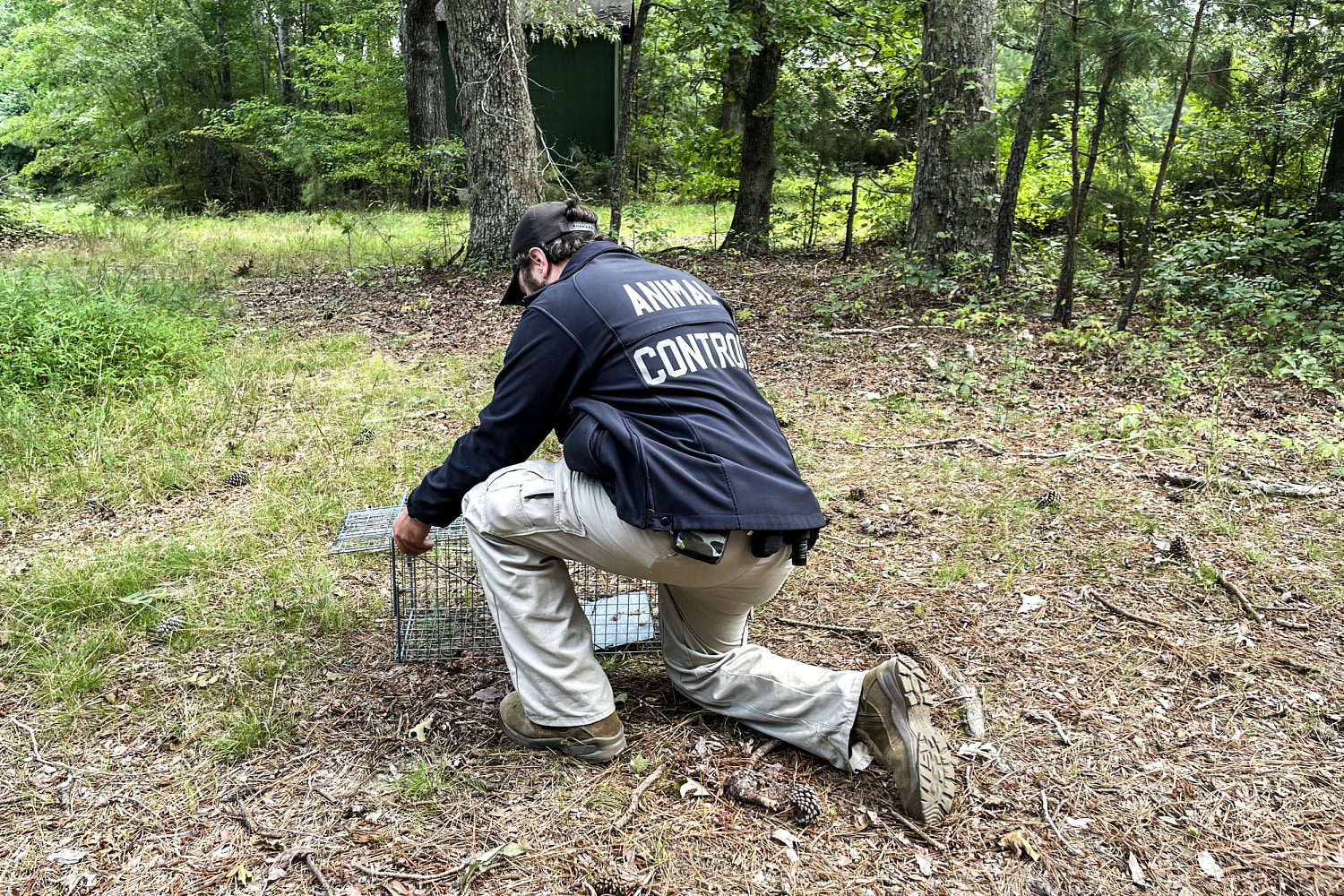
- Call animal control if you see wildlife behaving strangely instead of trying to handle the creature yourself.
Take these precautions seriously, keep an eye on your pets during peak warm-weather months, and never ignore an unexplained scratch after spending time outside.