The smell of sunscreen is a time machine. Coconut oil, zinc, warm plastic, and the sharp chemical tang of protection against a relentless sky. We rub it into our shoulders. We smear it across our noses. We shield our foreheads, our necks, the tops of our feet.
And then we walk out into the light, completely forgetting the highest point of our bodies.
Meet Maya. Picture her standing on a sun-bleached boardwalk in mid-July, the salt spray catching in her dark, honey-streaked waves. She has spent forty minutes meticulously applying SPF 50 everywhere skin meets air. She feels safe. She feels prepared.
Six hours later, sitting in the fading twilight, she runs her fingers through her hair and winces. It does not feel like silk anymore. It feels like dry straw. It feels brittle, coarse, and hot to the touch.
She blames the ocean water. She blames the chlorine from the morning swim.
She is wrong.
The Invisible Burn
We talk endlessly about skin cancer, photoaging, and collagen breakdown. Dermatologists wave charts of ultraviolet wavelengths at us. UVB rays burn the surface; UVA rays dig deeper, stealing elasticity and youth. We listen. We protect.
Yet somehow, hair remains the great blind spot of modern sun care.
Consider what happens at a microscopic level when a single strand of hair steps into the glare. Hair is not alive. It cannot mount an immune response. It cannot repair itself overnight with aloe vera or a cool shower. Every strand is a historical archive of architectural protein, wrapped in a protective armor called the cuticle.
When ultraviolet radiation hits unprotected hair, it triggers a photochemical reaction. It breaks down the structural bonds holding those protein chains together. It strips away fatty acids. If your hair is dyed, bleached, or chemically treated, the stakes multiply tenfold. The sun acts like a slow-motion bleaching agent, tearing apart artificial pigments and natural melanin alike.
Melanin is supposed to be our built-in shield. In human skin, melanin darkens to absorb UV energy and protect deeper cells. In hair, melanin tries to do the same thing. But unlike skin, hair cannot produce more melanin to replace what gets destroyed. Once your hair’s natural pigment is photochemically fried by the sun, it is gone. The color fades. The structural integrity collapses.
The result is a scalp that burns easily through a parting in the hair and strands that snap with the slightest tension.
The Dermatologist and the Botanist
When experts look at this phenomenon, they do not see a cosmetic annoyance. They see cellular damage.
Board-certified dermatologists will tell you that the skin on your scalp is some of the thinnest, most vulnerable skin on your entire body. It is packed with nerve endings and blood vessels, yet it remains completely exposed in anyone with a parting, thinning hair, or a shaved head. Scalp sunburns are agonizing. Over decades, cumulative UV exposure on the scalp leads to the same dreaded statistics we associate with facial skin: basal cell carcinomas, squamous cell carcinomas, and actinic keratoses.
Meanwhile, trichologists and hair care chemists look at the fiber itself and shake their heads.
Think of a hair cuticle like a roof shingle. On healthy hair, those shingles lie flat, overlapping smoothly, locking in moisture and reflecting light. Ultraviolet light lifts and curls those shingles. It cracks them open. Once the cuticle is compromised, moisture leaks out. Humidity leaks in. The hair swells, frizzes, and breaks.
Maya did not just have a bad hair day after the beach. She had experienced structural structural failure on a microscopic scale.
The Science of Shelter
So, do you really need sunscreen for your hair?
The short answer is yes. The nuanced answer is that you need the right kind of protection, because slathering heavy body lotion through your locks will leave you looking like you bathed in cooking oil.
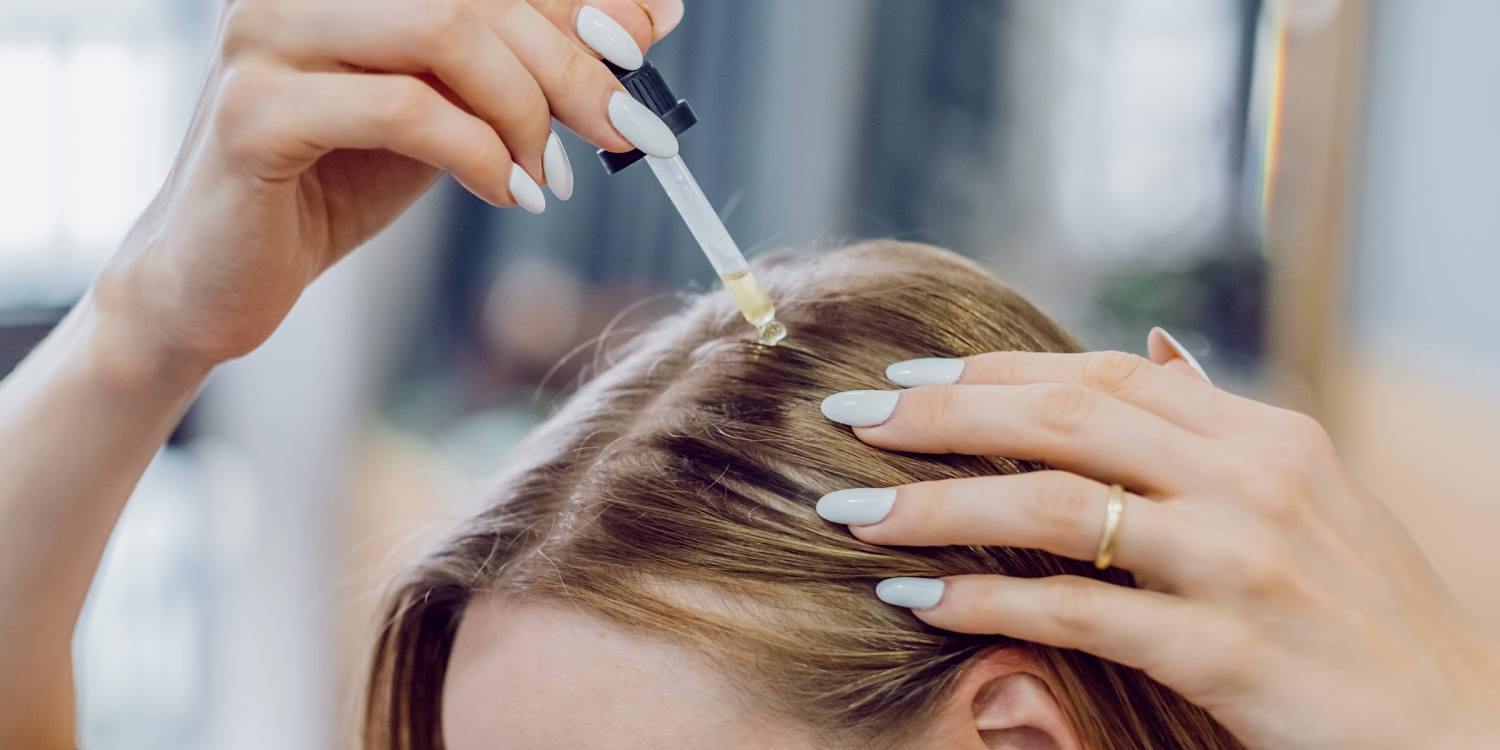
Hair requires targeted formulations. Traditional sunscreens are too viscous, too greasy, and too heavy for delicate strands. Instead, the beauty and medical industries have quietly pioneered lightweight mists, UV-filtering leave-in conditioners, and protective serums designed specifically to coat the hair shaft without weighing it down.
These products typically contain UV absorbers—chemical filters like avobenzone or octisalate—or physical blockers like micronized zinc oxide, suspended in ultra-light silicones or botanical oils such as red raspberry seed oil and shea butter. They form an invisible, weightless film over every single hair. They act as microscopic sunglasses for your strands, absorbing or reflecting ultraviolet photons before they can tear apart your keratin bonds.
And let us not forget the oldest, most reliable technology of all: cloth.
A wide-brimmed hat is not just a fashion statement. It is a structural barricade. It protects the parting in your scalp where sunscreen application is tricky and prone to missing spots. It shields the delicate nape of your neck. It gives your hair a vacation from the sky.
The Reckoning Beneath the Sun
We have been sold a narrative that beauty maintenance is vanity. That protecting our hair from the sun is just another expensive, manufactured worry designed to sell us a bottle of spray.
Break that illusion apart.
Look at the cost of neglect. It is the color dying out of your favorite highlights two weeks after a vacation. It is the breakage that forces you to chop off four inches of growth in autumn. It is the painful, blistering sunburn hidden beneath a thin parting that keeps you awake at night, tossing against a pillow.
Protection is not about vanity. It is about preservation. It is about respecting the biological materials that carry us through the world.
Maya learned this the hard way, standing in her bathroom, watching tiny fragments of broken hair wash down the sink drain. Next summer, she packed differently. She packed a hat. She packed a UV-filtering mist. She treated her crown with the same fierce, protective grace she reserved for her face.
The sun will always rise. The summer will always burn hot and bright against the pavement. The choice is not whether to step into the light, but how fiercely you intend to guard the pieces of yourself that catch it first.