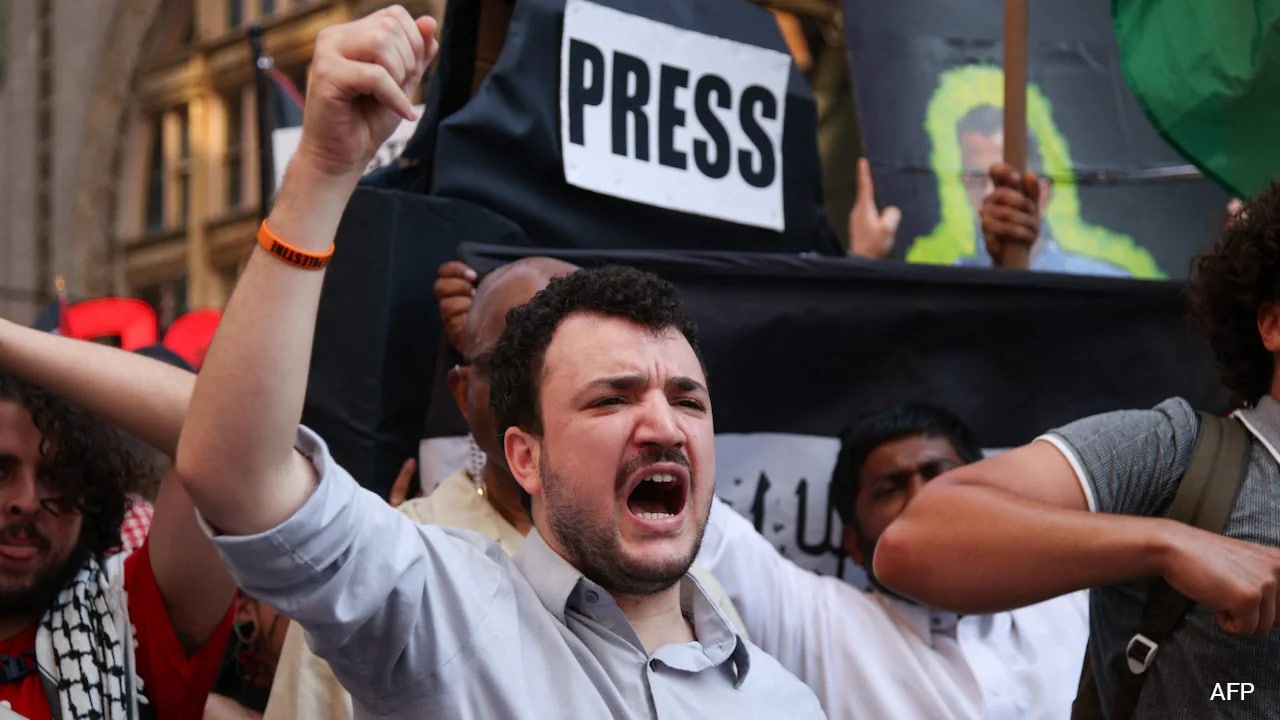
The lawsuit filed against Columbia University over its alleged failure to protect pro-Palestinian students misses the entire point of how modern institutions operate. When activists and their legal teams run to federal court every time campus climate turns hostile, they mistake a symptom of institutional rot for a civil rights violation.
The lazy consensus holds that if a university fails to enforce safety rules evenly, a well-timed Title VI complaint or civil injunction will force administrators to grow a spine. I have watched lawyers bleed millions of dollars from student defense funds chasing injunctions against risk-averse bureaucrats who only respond to economic gravity, not judicial scolding. Suing a multi-billion-dollar endowment over hurt feelings and chanting in a quad is the legal equivalent of throwing a wet tissue at a freight train.
Let us define terms here. Title VI of the Civil Rights Act prohibits discrimination based on race, color, or national origin in programs receiving federal financial assistance. When applied to modern university politics, it becomes a blunt instrument. Pro-Palestinian and pro-Israel student groups alike treat the campus quad like an asymmetric warfare zone where every offensive slogan constitutes a hostile educational environment. But universities are not daycares. They are reputational monopolies whose primary product is the brand value of their diplomas.
When Columbia or any other Ivy League institution looks at campus unrest, administrators do not consult constitutional law or moral philosophy. They consult risk management matrices. The administration does not suppress protests because they hate free speech, nor do they protect protesters because they love human rights. They balance litigation exposure against donor flight. If an encampment costs them ten million dollars in paused alumni checks, the tents vanish by dawn. If the protesters threaten lawsuits, the university calculates whether defending the suit costs less than clearing the green.
The legal strategy of suing universities for creating hostile environments rests on a fundamental misunderstanding of the university's incentive structure. Courts grant immense deference to academic institutions regarding campus safety and disciplinary codes. Judges do not want to become the de facto deans of student life. By dragging political disputes into federal court, activists hand universities a gift: an excuse to stall for three years while legal fees mount and the political momentum of the movement dies in pre-trial discovery motions.
Imagine a scenario where student activists stopped treating university presidents like moral authorities and started treating them like corporate landlords who are violating their lease agreements. The results would look entirely different.
If students want real protection against harassment, stop asking the torturers to police the torture chamber. Universities have weaponized bureaucratic indifference into an art form. When you file a grievance with an office of institutional equity, your complaint enters a black hole designed to outlive your time on campus. The bureaucracy does not fail by accident; it succeeds by exhausting you.
The contrarian truth is that campus safety cannot be litigated into existence. It must be forced through economic disruption. When students disrupted board of trustees meetings, divested campus credit unions, or targeted the corporate recruiters who fund university endowments, administrators moved with terrifying speed. Legal briefs gather dust in clerk offices. Lost revenue prompts emergency board meetings on Sunday afternoons.
We must also admit the uncomfortable downside of this aggressive approach. When student movements abandon the courts and focus on direct economic or operational leverage, they risk alienating moderate campus populations who prefer polite administrative channels. Direct action is messy. It creates counter-blowback. But polite administrative channels are a graveyard for radical demands. You cannot sue your way to institutional reform when the institution views your lawsuit as a routine line item in its legal budget.
The lawsuit against Columbia will drag on through endless procedural maneuvers. Depositions will be taken. Briefs will be filed. Op-eds will be written. And when the settlement eventually arrives years from now, nobody will remember why the fight started, the original activists will have graduated, and the university will have quietly altered its liability waiver forms to protect itself from the next round of headlines.
Stop funding the legal machinery that profits off your outrage. If the product is broken, stop buying the degree.