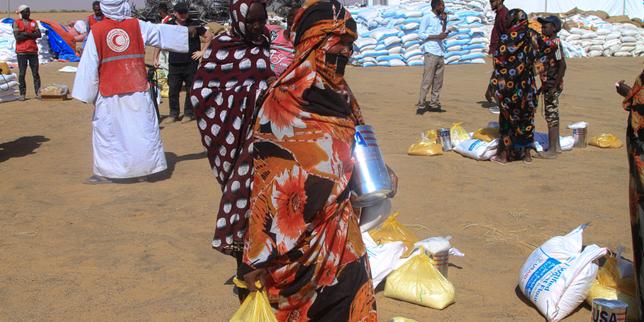
A crowded marketplace in Sudan becomes a killing field in seconds. The drone strikes without warning. Blood blends with spilled spices, shattered stalls, and cheap plastic goods. At least 28 civilians died in this single attack on a market south of Khartoum. This isn't just another dry statistic from a forgotten war. It's the horrific face of a conflict where remote-controlled technology turns everyday survival into a game of Russian roulette.
People search for news on the Sudan conflict because they want to understand how a nation spiraled into chaos so fast. They want to know who is flying these drones, why markets are targeted, and what the international community is doing about it. The reality is grim.
The battle between the Sudanese Armed Forces (SAF) and the paramilitary Rapid Support Forces (RSF) has turned urban centers into free-fire zones. Commercial drones modified to drop mortar shells or precision-guided loitering munitions have changed everything. They make warfare cheap, detached, and incredibly lethal for bystanders.
Why Sudan Markets Are Becoming Drone Targets
You might wonder why a military force would target a civilian market. It seems counterproductive. It's cruel. From a cynical military perspective, however, markets are tactical chokepoints.
In Sudan, markets aren't just places to buy food. They are the lifeblood of communities. They are where people get cash, trade information, and charge their phones. When the SAF or RSF wants to disrupt an enemy-controlled area, cutting off the supply chain is the quickest way to do it. They claim they are targeting enemy combatants hiding among civilians. The bodies on the ground tell a different story.
Human rights organizations like Amnesty International have documented a terrifying pattern. Both sides show a complete disregard for civilian life. The use of unguided rockets, heavy artillery, and now explosive drones in densely populated areas constitutes a war crime. Yet, the strikes continue.
The psychological terror is worse than the physical destruction. Imagine walking down an aisle to buy bread, hearing a faint buzz overhead, and knowing you have three seconds to live. It breaks a society's will to function. That's the real goal.
The Cheap Tech Powering a Deadly Escalation
We aren't seeing stealth bombers or multi-million dollar military aircraft over Khartoum. This is the democratization of air power. Consumer quadcopters and fixed-wing hobbyist drones are modified with 3D-printed release mechanisms to carry explosive payloads.
- Low Cost, High Impact: A drone costing a few thousand dollars can destroy a millions-of-dollars logistics hub or kill dozens of people.
- Deniability: It is incredibly difficult to trace the origin of a small commercial drone flight after the fact.
- Psychological Dominance: The constant threat of an invisible killer in the sky paralyzes communities.
Foreign interference keeps this cycle spinning. Independent investigative journalists and UN experts have repeatedly flagged the influx of foreign drone tech into Sudan. Arms UAE networks, Iranian designs, and repurposed European components routinely find their way past the arms embargo. It's a gold rush for weapons traffickers testing their gear in a real-world laboratory.
The Human Cost Hidden Behind the Numbers
The official reports say 28 dead. Local volunteer emergency rooms—the heroic "Response Rooms" run by young Sudanese citizens—often report much higher numbers. They see the bodies that don't make it to official hospitals. They treat the catastrophic shrapnel wounds with zero anesthesia and failing power grids.
The international response remains pathetic. Statements of deep concern do nothing to stop a drone strike. The UN Security Council passes resolutions that both Sudanese factions ignore with absolute impunity. Sanctions target a few commanders while their gold smuggling networks continue to fund the purchase of more weapons.
Navigating the Crisis and Supporting Relief Efforts
If you want to understand how to actually help or how to track this crisis accurately without falling for propaganda, you have to look at grassroots networks. Relying on state media from either side is useless.
Rely on Local Resistance Committees
The best ground-truth information comes from Sudan's Resistance Committees and local Emergency Response Rooms. These are decentralized citizen groups providing mutual aid. Follow verified accounts from Sudanese journalists and activists who risk their lives to upload footage and casualty lists.
Support Targeted Direct Aid
Large international aid agencies struggle to operate inside active combat zones in Khartoum and Darfur. Direct donations to local groups, Sudanese diaspora organizations, and medical networks like Doctors Without Borders (MSF) have a much higher chance of actually reaching the ground to buy medical supplies.
The conflict in Sudan won't end until the international networks supplying these drones are aggressively dismantled. Until then, the skies over Sudan's markets remain a source of terror, and the civilian death toll will continue to rise silently in the shadows of global indifference.