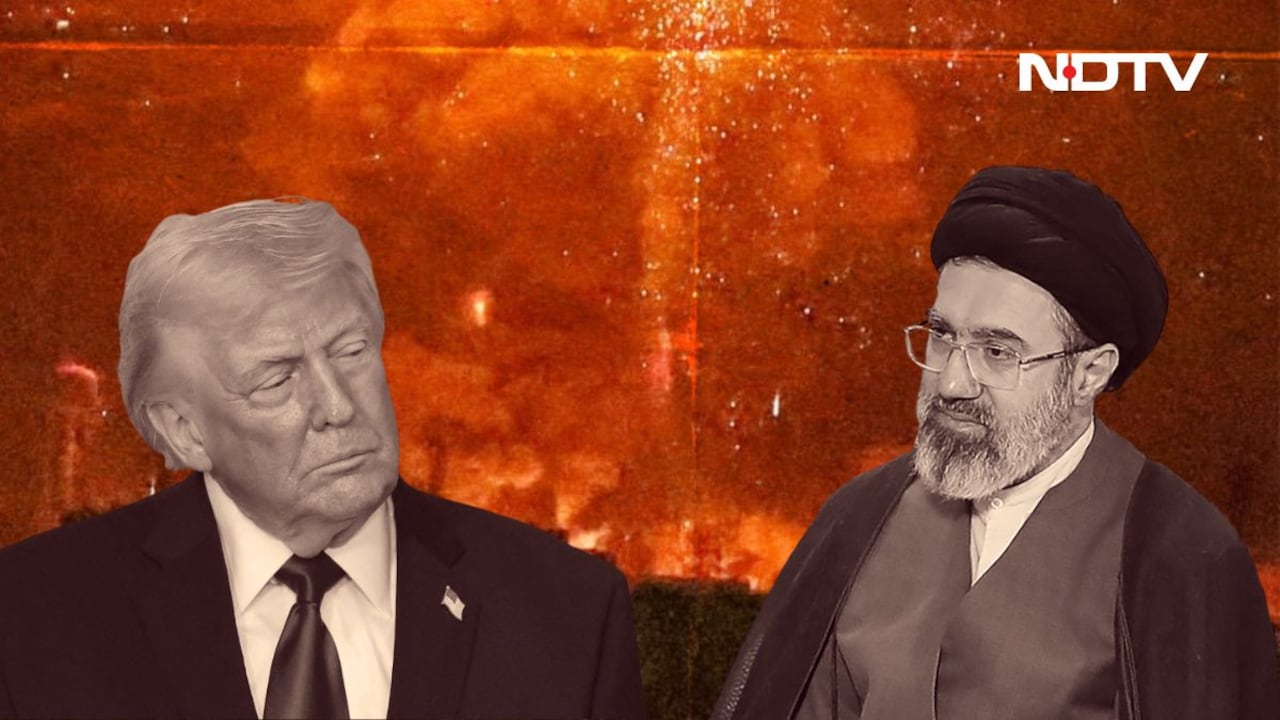
Diplomatic negotiations between the United States and Iran are structurally stalled, characterized by asymmetrical demands, broken interim mechanisms, and irreconcilable definitions of compliance regarding the Islamabad Memorandum of Understanding and the imminent August 17 deadline. Rather than focusing on routine diplomatic friction, evaluating the current impasse requires mapping the underlying game theory, the cost function of sanctions enforcement, and the friction points governing maritime trade in the Strait of Hormuz.
The Mechanics of the Islamabad Memorandum
The diplomatic architecture established in mid-2026 relies on an indirect mediation framework. The primary instruments governing the current diplomatic phase include:
- The Islamabad Memorandum of Understanding, signed on June 17, 2026.
- The 60-day operational timeline expiring on August 17, 2026.
- Regional mediation channels routed through Pakistani and Omani state actors.
The fundamental point of failure in this architecture stems from divergent baseline interpretations. From the Washington perspective, the 60-day window represents a countdown for concluding a comprehensive nuclear containment and maritime security treaty. From the Tehran perspective, the window represents an untested implementation phase that was rendered void by subsequent military strikes shortly after ratification.
The structural breakdown follows a predictable sequence:
- Ratification of an interim de-escalation framework via third-party mediators.
- Divergent unilateral actions or perceived kinetic violations within 48 to 72 hours of signing.
- Public withdrawal of diplomatic consent by one or both primary actors, shifting the burden of compliance onto intermediaries.
Asymmetrical Leverage Variables
Negotiation outcomes are bounded by the specific assets each party controls. Washington wields primary and secondary financial sanctions, naval asset deployment capabilities, and maritime blockades targeting Iranian port infrastructure. Tehran controls enrichment infrastructure parameters, regional proxy force alignments, and physical control over maritime choke points in the Persian Gulf.
The Cost Function of Sanctions vs. Blockades
Economic pressure relies on restricting state revenue streams. However, when bilateral military strikes disrupt conventional supply lines, the marginal utility of additional financial sanctions drops near zero. Washington demands comprehensive structural concessions—including limitations on ballistic missile proliferation and regional proxy disarmament—while offering temporary sanctions waivers. Conversely, Tehran conditions compliance on the permanent removal of trade blockades, the release of frozen sovereign assets, and financial compensation for historical infrastructure damage.
This creates a zero-sum bargaining matrix where neither party can accept the initial terms without violating domestic political constraints.
Maritime Transit Dynamics in the Strait of Hormuz
The primary economic variable driving external pressure on both governments is the operational status of the Strait of Hormuz. Approximately twenty percent of global petroleum trade flows through this geographical bottleneck.
When talks stagnate, the operational calculus shifts from diplomatic signaling to kinetic deterrence. The sequence of escalation follows specific thresholds:
- Phase One: Diplomatic non-communication and rejection of mediator reports regarding deadline extensions.
- Phase Two: Imposition of reciprocal blockades, restricting commercial container traffic and energy tanker transit.
- Phase Three: Direct military strikes on regional logistics hubs, command centers, and port facilities.
Because Iranian strategy relies on maintaining asymmetric leverage through potential trade disruption, any permanent settlement requiring open navigation must be counterbalanced by guaranteed economic integration. The current refusal by Tehran to engage on extension parameters reflects a calculated decision to let the August 17 deadline lapse rather than accept an unverified status quo.
Strategic Forecast and Implementation Play
The structural indicators suggest that standard bilateral diplomacy will fail to yield an extension of the current framework before the terminal date. To bypass the structural deadlock, external mediators must shift from seeking broad comprehensive treaties to executing isolated, verifiable transactional steps.
The operational response for stabilizing the corridor requires:
- Decoupling the maritime transit protocols from the broader nuclear enrichment negotiations to establish independent verification mechanisms.
- Implementing localized port-access triggers tied directly to commercial shipping guarantees rather than comprehensive sanctions relief.
- Utilizing third-party escrow accounts for energy revenues to bypass direct financial transactions while satisfying immediate liquidity requirements.