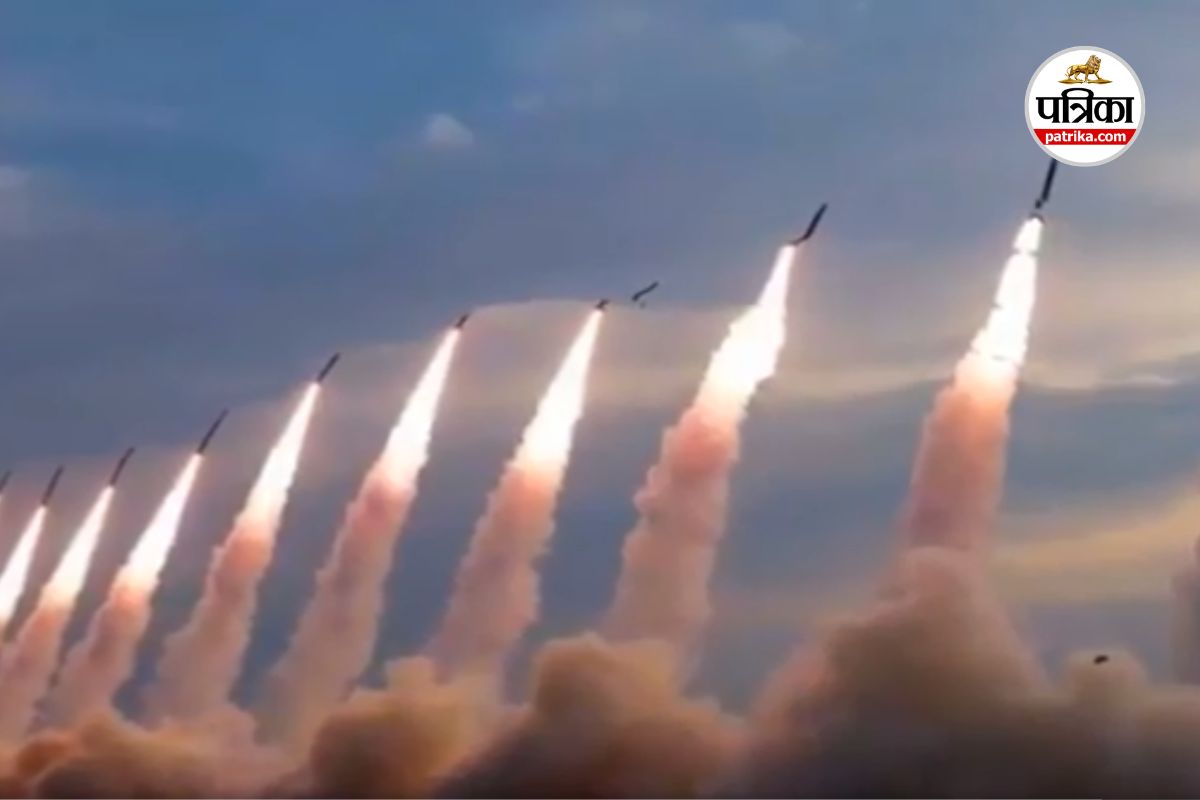
Military engagements between state actors and asymmetric proxies inside restricted maritime chokepoints generate immediate systemic shocks to global energy architecture. When regional combatants target naval assets and commercial freight within the Strait of Hormuz, the operational calculus extends far beyond localized tactical exchanges. The underlying mechanics of these confrontations rely on economic coercion, spatial denial, and the manipulation of marine insurance premiums. Analyzing these events requires moving past sensationalized threat reporting to examine the structural vulnerabilities governing crude transit, regional naval posture, and the distinct cost functions borne by importing nations.
The Economic Mechanics of Chokepoint Interdiction
The strategic utility of the Persian Gulf for regional belligerents stems from a single geographic constraint: the Strait of Hormuz. Approximately one-third of all petroleum traded by sea passes through this corridor, translating to millions of barrels per day traversing a channel roughly twenty-one miles wide at its narrowest point, with inbound and outbound traffic lanes separated by a two-mile buffer zone.
Interdiction operations do not require total naval dominance or a permanent physical blockade to achieve strategic effects. The deployment of anti-ship cruise missiles, fast attack craft, and sea mines creates a persistent hazard profile that alters commercial decision-making long before a physical hit occurs. Underwriter risk models react immediately to kinetic activity by recalculating hull and machinery war risk insurance.
When underwriters categorize the Persian Gulf as a listed area of heightened risk, premium costs surge from fractions of a percent to several percentage points of a vessel's total hull value. For a Very Large Crude Carrier valued at one hundred million dollars, a single transit can incur hundreds of thousands of dollars in added insurance overhead. This creates an economic attrition model where the mere threat of missile deployment forces charterers to absorb escalating operational penalties, delays, and alternative routing expenses.
Asymmetric Maritime Doctrine and Surface Warfare
State actors utilizing asymmetric doctrines within enclosed bodies of water operate under distinct constraints compared to blue-water navies. Traditional surface action groups prioritize power projection, air defense saturation, and sustained forward presence. Conversely, littoral defense forces leverage land-based mobile missile batteries, subterranean launch facilities along rugged coastlines, and swarming surface tactics designed to complicate target acquisition and reaction times.
When coastal batteries launch projectiles toward regional warships, the defending fleet relies on tiered defensive architectures comprising active electronically scanned array radar, electronic countermeasures, surface-to-air interceptors, and close-in weapon systems. The core challenge for the defending navy is not merely neutralizing incoming threats, but managing the expenditure asymmetry. Interceptor missiles frequently cost millions of dollars per unit, while low-cost asymmetric platforms require minimal capital investment.
This financial imbalance introduces a long-term sustainability problem for protracted defensive patrols. Continuous station-keeping near hostile shorelines demands sustained logistical replenishment, high fuel burn rates, and accelerated wear on mechanical and electrical systems. Consequently, retaliatory strikes by major naval powers target the command-and-control nodes and radar tracking infrastructure supporting these coastal batteries, attempting to sever the kill chain rather than engaging individual mobile launchers after deployment.
Vulnerability Matrices of Commercial Energy Transport
Commercial crude carriers represent distinct operational targets due to their physical characteristics and cargo composition. Unlike heavily armored warships equipped with damage control compartmentalization and active defense suites, commercial tankers are optimized for volumetric cargo capacity and fuel efficiency. A direct hit on a laden tanker triggers compound hazards, including hull breaching, structural bending moment failures, and high-intensity hydrocarbon pool fires.
The immediate reaction of shipping conglomerates to kinetic strikes involves a risk threshold evaluation. If the probability of collateral damage exceeds predetermined safety margins, operators suspend voyages or divert fleets around the African cape, bypassing regional choke points entirely. This rerouting adds thousands of nautical miles and weeks of transit time to delivery schedules, artificially deflating global shipping capacity and driving up freight rates across international markets.
Energy importing nations situated in East and South Asia face acute exposure to these supply chain disruptions. Unlike economies with deep strategic petroleum reserves or diversified overland pipeline access, nations heavily reliant on spot-market spot cargoes from the Gulf experience immediate price volatility and balance-of-payment pressures when transit security deteriorates.
Operational Execution of Regional Deterrence
Maintaining stability in contested maritime environments requires the enforcement of freedom of navigation principles through continuous patrols, escort operations, and real-time intelligence sharing. Naval task forces operating in the region must balance offensive readiness with defensive posture constraints, avoiding inadvertent escalations that could trigger wider regional conflict while maintaining clear thresholds for kinetic response.
The primary deterrent metric is not the destruction of adversarial assets, but the preservation of uninterrupted commercial flow. Every successful escort mission or intercepted projectile reinforces the predictability of energy transit lanes. Conversely, successful interdictions by asymmetric actors validate their strategy of raising the cost of maritime trade, encouraging subsequent probes against secondary targets such as offshore production platforms or port facilities.
Implement dynamic escort coordination protocols between naval task forces and commercial maritime operators to establish verified transit corridors, minimizing the dwell time of vulnerable vessels within high-risk coastal zones.