The ink is dry on the paper, but the water is still thick with tension. If you thought a ceasefire would instantly clear the tankers through the Strait of Hormuz, you haven't been paying attention to how maritime logistics actually work. Ships aren't like cars at a green light. They're massive, slow-moving assets carrying millions of dollars in cargo through one of the most volatile chokepoints on the planet. Even with the guns silent, the maritime industry is holding its breath.
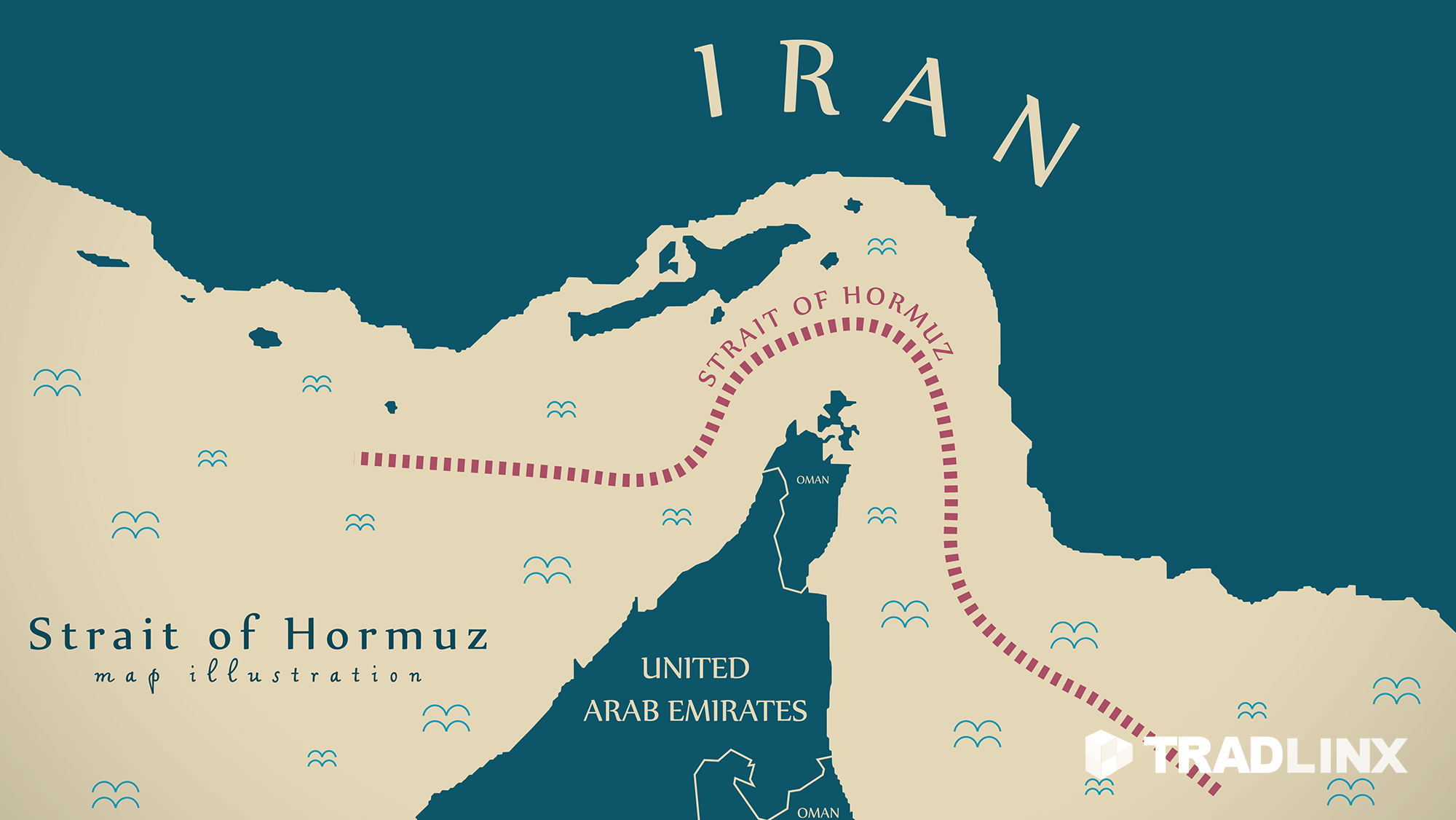
The Strait of Hormuz is barely 21 miles wide at its narrowest point. It handles about a fifth of the world's daily oil consumption. When things grind to a halt here, the global economy feels the friction. Despite the diplomatic breakthroughs reported by Reuters and other outlets, the reality on the water is a messy, sluggish "near standstill."
You can't just flip a switch and resume normal operations. Insurance premiums are sky-high. Captains are wary of "ghost" mines or lingering drone threats. Crew members are exhausted. The backlog isn't just a list of names; it’s a physical queue of steel and oil that will take weeks, maybe months, to untangle.
The Invisible Wall of Insurance and Risk
Shipowners aren't brave. They’re calculated. The biggest hurdle right now isn't a physical blockade; it’s the cost of "War Risk" insurance. Even with a ceasefire, insurance underwriters don't just drop their rates overnight. They wait for a track record of safety.
If you're running a Very Large Crude Carrier (VLCC), your daily operating costs are already astronomical. Add a massive surcharge for just entering the Persian Gulf, and the math starts to look ugly. Many companies are keeping their vessels in "wait-and-see" zones outside the Gulf of Oman. They’d rather burn fuel idling in safe waters than risk a hull breach or a seizure that their policy might fight them on.
Markets hate uncertainty. A ceasefire is a promise, not a guarantee. We've seen plenty of "truces" in this region dissolve before the first cargo of the day even cleared the Larak Island turn. Until the Joint War Committee (JWC) signals a genuine downgrade in the risk profile of these waters, the bottleneck will remain. It’s a financial standoff as much as a military one.
Physical Bottlenecks and the Reality of Slow Steaming
Logistics is a game of momentum. When you stop the flow of tankers through a narrow corridor, you create a ripple effect that hits every port from Fujairah to Singapore.
- Port Congestion: The ports on either side of the Strait are backed up. It’s not just about the ships in the water; it’s about the berths at the docks.
- Technical Readiness: Ships that have been sitting idle for weeks often face mechanical gremlins. You don't just start the engine on a 300,000-ton vessel and expect 100% reliability after a forced hiatus.
- Pilotage Delays: Navigating the Strait requires specialized local knowledge. The demand for pilots is currently far outstripping the supply.
The sheer volume of oil—roughly 20 million barrels a day—demands a rhythmic, uninterrupted flow. Break that rhythm, and you get what we see now: a parking lot of giants. Most of these ships are practicing "slow steaming" to save fuel while they wait for clearance, which only adds to the visual sense of a standstill.
Trust is a Depleting Asset
Geopolitics in the Middle East is rarely about what people say. It’s about what they do with their hardware. The ceasefire might be official, but the naval presence hasn't vanished. You still have destroyers, frigates, and patrol boats shadowed by various factions.
For a merchant mariner, seeing a warship on the horizon isn't always comforting. It's a reminder that you're in a combat zone. The trust gap between the regional powers and the international shipping community is wider than the Strait itself. Captains are reporting "unusual" radio interference and GPS spoofing even after the ceasefire announcement. These aren't just technical glitches. They're signals.
The maritime industry operates on a "Safety of Life at Sea" (SOLAS) mindset. If there's even a 1% chance of a stray missile or a rogue boarding party, the standard operating procedure is to wait. This caution is what the headlines call a "standstill." I call it common sense.
How the Energy Markets React to the Crawl
Don't let the headline oil price fool you. Just because the "fear premium" drops on the news of a ceasefire doesn't mean the supply chain is healthy. Brent and WTI might dip, but the "delivered" price of oil—the price once it actually reaches a refinery—remains high because of the shipping delays.
Refineries in Asia, particularly in China, Japan, and South Korea, are the most exposed. They rely on the Hormuz heartbeat. When that heart skips a beat, they have to dip into strategic reserves. If the standstill lasts another ten days, we'll see those reserves dwindle, and that’s when the real price spikes hit the pump.
The disconnect between the diplomatic world and the physical world is glaring here. Diplomats celebrate the ceasefire in Geneva or New York. Meanwhile, a terminal manager in Ras Tanura is staring at a screen full of delayed departures and wondering how he's going to hit his monthly targets.
What Happens if the Gridlock Doesn't Break
If the "near standstill" continues, we’re looking at a structural shift in how oil is moved. We’ve already seen a massive uptick in interest for pipelines that bypass the Strait, like the East-West Pipeline in Saudi Arabia or the Habshan–Fujairah line in the UAE.
But these pipelines have limits. They can't handle the full volume of the Strait's capacity. They're a band-aid, not a cure. The world needs Hormuz to be wide open, not just "technically" open.
The next few days are critical. Watch the "vessel tracking" data. Don't listen to the politicians; look at the transponders. If the cluster of icons off the coast of the UAE doesn't start thinning out, the ceasefire is a failure in the eyes of the market.
Check the daily rates for Suezmax and VLCC tankers. If those rates stay high, it means the risk is still being priced in. Pay attention to the bunker fuel prices in Singapore. If they start to climb, it’s because ships are rushing to make up for lost time once the gates finally open. For now, stay skeptical of any "return to normal" claims. The water is still murky, and the engines are still cold.



