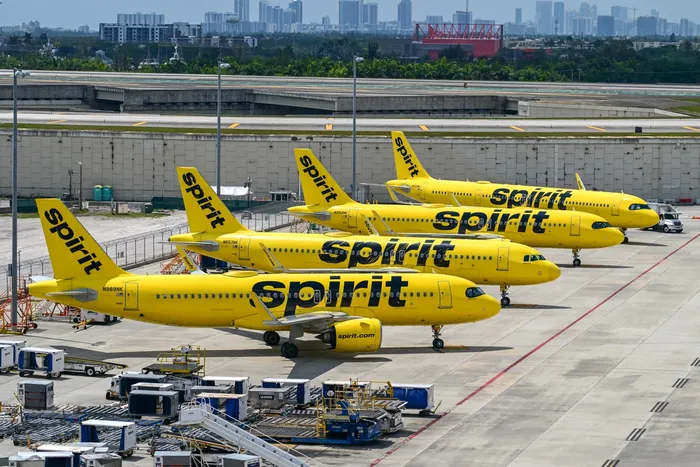
Media outlets are currently celebrating the 'Sarv Shakti'—an LPG tanker—for successfully navigating the Strait of Hormuz. They frame it as a triumph of Indian maritime grit or a "return to normalcy" for energy security. This narrative is not just lazy; it is dangerous.
By fixating on a single vessel’s transit through a narrow chokepoint, we are ignoring the structural rot in India’s energy procurement strategy. Crossing the Strait of Hormuz isn't a victory. It’s a symptom of a desperate, over-leveraged dependence on a region that is one miscalculation away from a multi-decade blackout.
The 'Sarv Shakti' didn't "break a siege." It simply paid the risk premium that every other player is too smart to ignore. If we continue to treat these routine transits as "milestones," we provide political cover for a lack of genuine energy diversification.
The Myth of the Chokepoint Hero
The current discourse suggests that getting a ship through the Strait is a tactical masterstroke. In reality, it is a high-stakes gamble with taxpayer-funded insurance.
Let’s look at the mechanics. The Strait of Hormuz handles roughly 20-30% of the world’s liquefied natural gas (LNG) and a massive chunk of LPG. When tensions spike, insurance premiums for these vessels—Hull and Machinery (H&M) and Protection and Indemnity (P&I)—skyrocket. I have seen shipping firms lose their entire quarterly margin in forty-eight hours because of a "war risk" surcharge.
The 'Sarv Shakti' transit is framed as "India-bound" success, but who actually pays for that risk? The consumer. Every time a tanker plays chicken with regional militias, the landed cost of that fuel creeps up. We aren't winning; we are just becoming the only buyer desperate enough to keep the engine running while the house is on fire.
Geography is Not Your Friend
The mainstream press loves to talk about "securing" the Strait. You cannot secure a 21-mile wide strip of water against modern asymmetric warfare.
- Drones and Mines: A $50,000 drone can disable a multi-million dollar tanker. No amount of naval escort—the "Sarv Shakti" notwithstanding—can guarantee 100% protection against sub-surface mines or swarming tactics.
- The Insurance Trap: Even if the Indian Navy provides a "safe" corridor, global reinsurers in London don't care. They see a kinetic zone. If they pull coverage, the ships stop moving, regardless of what the headlines say about "bravery."
- The Pivot Failure: India’s obsession with Middle Eastern LPG is a choice, not a necessity. While we celebrate one ship, China is aggressively locking down long-term pipeline contracts and Arctic LNG routes that bypass these chokepoints entirely.
Stop Asking if the Strait is Open
People often ask: "Will the Strait of Hormuz be closed?"
That is the wrong question. The real question is: "At what price does the Strait become irrelevant?"
We are approaching a threshold where the cost of securing Middle Eastern gas exceeds the cost of a radical, forced transition to domestic alternatives or more stable, albeit more expensive, Western Hemisphere sources. If India continues to prioritize short-term "deals" with Gulf suppliers because the transit time is lower, it is ignoring the massive hidden cost of regional instability.
The Crude Reality of LPG Dependency
LPG is the backbone of the Indian kitchen. It is a political commodity. This is why the government treats a single tanker arrival like a national holiday. They know that a three-week disruption in LPG supply leads to riots, not just "economic slowing."
However, this "Pradhan Mantri Ujjwala Yojana" success story has a dark side. By subsidizing and expanding LPG use to the most remote corners of the country, the state has created a massive, inelastic demand for a product we cannot control the delivery of. We have effectively tethered the stability of the Indian household to the whims of geopolitical actors in Tehran and Riyadh.
The Diversification Lie
The government claims they are diversifying. They point to American LNG or African crude. But look at the volumes. The sheer inertia of the existing infrastructure—the terminals, the long-term contracts, and the shipping lanes—means we are still doubling down on the Persian Gulf.
True diversification would mean:
- Massive Investment in Coal-to-Gas: Leveraging domestic reserves instead of importing "clean" gas through war zones.
- Nuclear Acceleration: Not as a "green" goal, but as a sovereign security mandate.
- The Northern Sea Route: Actively participating in Russian Arctic projects that deliver gas via the Pacific, avoiding the Suez and Hormuz entirely.
Instead, we get excited about the 'Sarv Shakti'. It’s like cheering for a delivery truck that didn't get hijacked on a road known for bandits. It’s not a business plan; it’s a prayer.
The Cost of "Safe" Passage
When you hear that a ship has "crossed the Strait," understand what happened behind the scenes. There were frantic calls between ministries. There were heightened alerts for the Navy. There was a massive spike in the operational stress of the crew.
This is not sustainable. We are burning diplomatic and military capital to maintain a status quo that is fundamentally broken. The "Sarv Shakti" didn't prove the route is safe. It proved that India is so reliant on this specific vein that it has no choice but to keep pumping, even when the body is rejecting the medicine.
Risk Management or Risk Blindness?
I have worked with logistics chains where a 5% delay in raw materials causes a total factory shutdown. India’s energy grid is running on a "just-in-time" basis for LPG. We don't have the strategic reserves to weather a six-month closure of the Strait.
The competitor’s article wants you to feel a sense of relief. I want you to feel a sense of urgency. The fact that we are tracking individual tankers like they are Apollo missions proves how precarious our position actually is.
If you are a stakeholder in Indian energy, stop looking at the Strait. Look at the balance sheet. Look at the lack of domestic production. Look at the failure to build a true "Gas-Based Economy" that isn't just a "Gulf-Dependent Economy" with a fresh coat of paint.
The 'Sarv Shakti' is a floating reminder of our vulnerability. Every time it clears the Cape of Jask, we should be asking why we allowed ourselves to be this exposed in the first place.
Security isn't a ship that makes it through. Security is not needing that ship at all.
Don't celebrate the transit. Question the dependency.