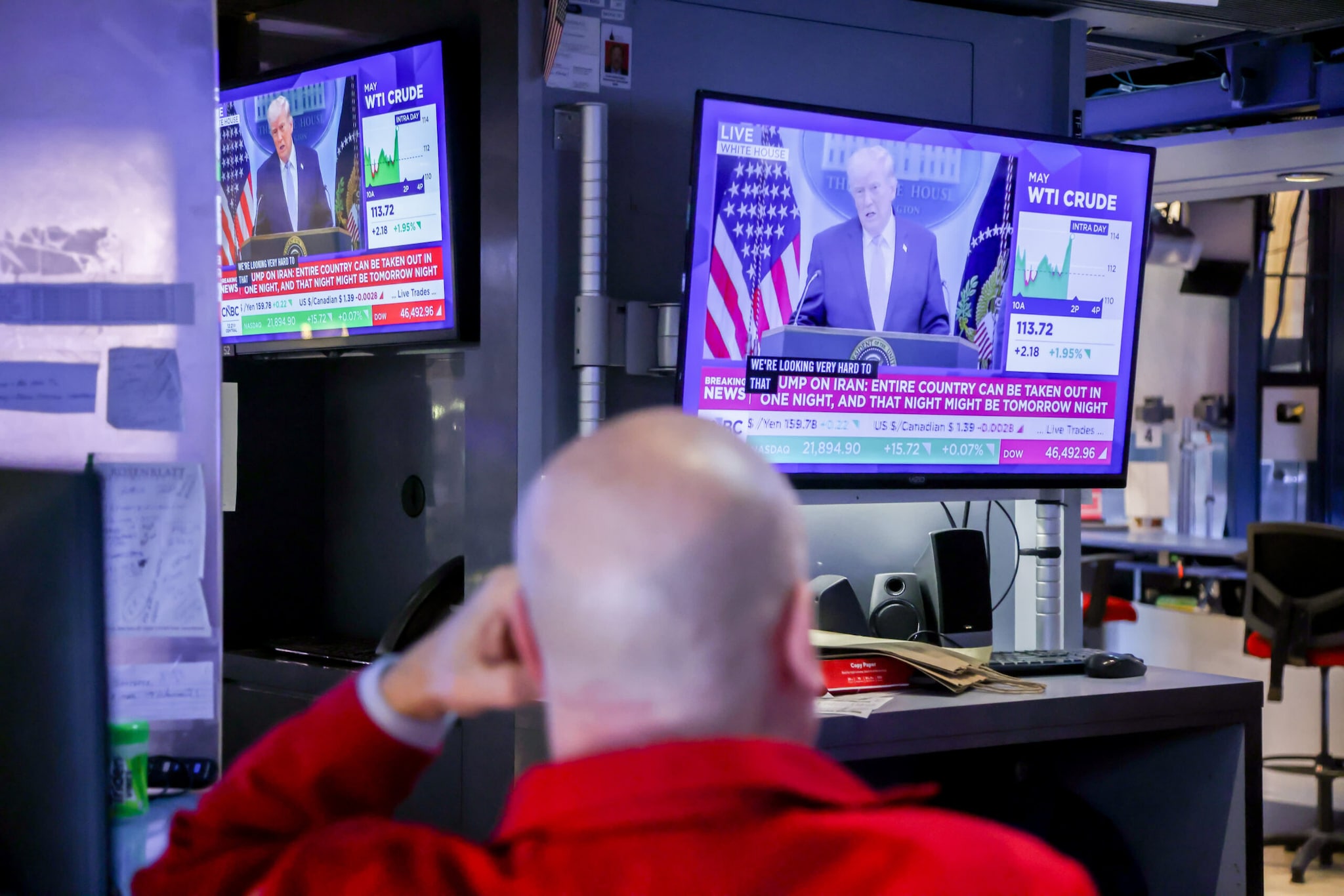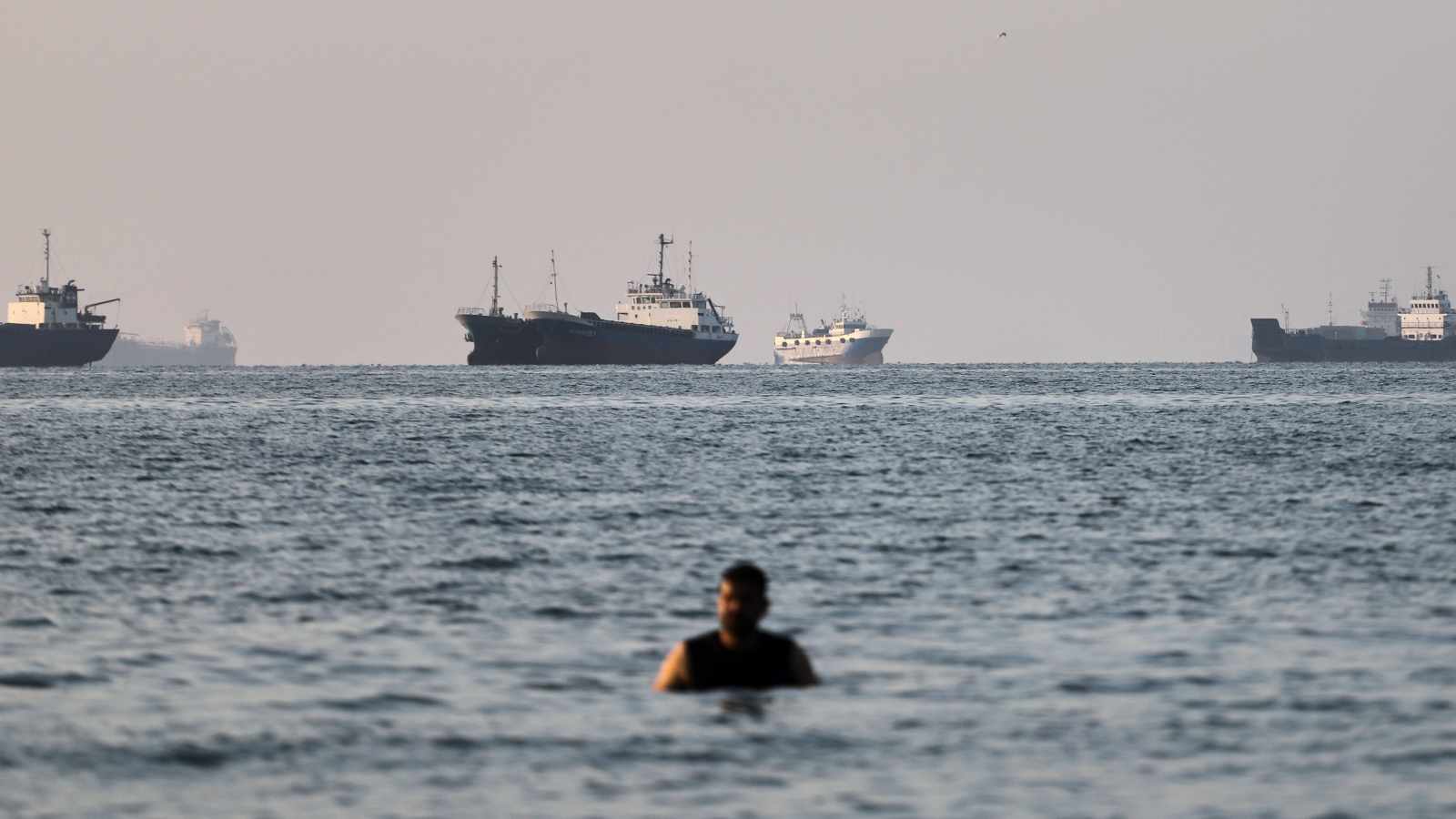
The recent diplomatic breakthrough between Washington and Tehran has sent mainstream financial media into a tailspin of lazy optimism. Editors are racing to publish variations of the exact same headline: How quickly can the Strait of Hormuz clear its shipping backlog?
They are asking the wrong question. They are operating on a flawed premise.
The conventional consensus assumes that geopolitical tension behaves like a traffic accident on the interstate—once the cops clear the wrecked cars, traffic immediately snaps back to 65 miles per hour. This view is not just naive; it ignores the brutal structural realities of modern maritime logistics.
I have spent two decades analyzing marine insurance risk and supply chain throughput. I have watched boards of directors dump tens of millions of dollars into "rapid repositioning" strategies based on political headlines, only to watch those millions burn. Here is the uncomfortable truth the talking heads refuse to admit: There is no magical valve waiting to be turned on. A peace deal does not inject a single drop of efficiency into a choked supply chain.
The Mirage of the Backlog
The term "backlog" creates a false mental image. It makes people think of thirty supertankers idling in a neat line just outside the Persian Gulf, engines purring, waiting for a green light from the US Navy and the Islamic Revolutionary Guard Corps.
That is not how modern shipping works.
When risk spikes in the Strait, global supply chains do not just pause; they mutate. Ships are rerouted weeks in advance. Charters are canceled. Voyages are extended around the Cape of Good Hope. The "backlog" is not a localized cluster of ships waiting at a gate; it is a systemic dislocation of floating assets distributed across thousands of nautical miles.
Even if every naval vessel in the region stood down tomorrow, the physical location of the global fleet is fundamentally misaligned with immediate demand. You cannot clear a backlog when the hulls required to move the cargo are currently sitting twelve days off the coast of South Africa.
The Arithmetic of Throughput Capacity
Let us look at the rigid physics of the chokepoint. The Strait of Hormuz handles roughly 20 to 21 million barrels of oil per day, alongside massive volumes of Liquefied Natural Gas (LNG) and containerized freight.
The consensus view assumes that a peace deal allows operators to "speed up" to make for lost time. This ignores basic naval architecture and economics.
- The Velocity Wall: A Very Large Crude Carrier (VLCC) typically transits at an eco-speed of 12 to 14 knots. Pushing a 300,000-deadweight-ton vessel to 16 knots requires an exponential increase in fuel consumption. In a market where bunker fuel costs represent the single largest variable operating expense, owners will not burn their margins just to satisfy a Western journalist's timeline for market normalization.
- The Draft Constraints: The shipping lanes in the Strait are surprisingly narrow. The actual Traffic Separation Scheme (TSS) consists of a two-mile-wide inbound lane, a two-mile-wide outbound lane, and a two-mile-wide separation zone. You cannot physically pack more ships into this corridor simultaneously without violating basic safety margins established by the International Maritime Organization (IMO).
- The Port Loading Bottleneck: A ship transiting the Strait is meaningless unless it can load or unload. The loading terminals at Ras Tanura, Ju'aymah, and Das Island have fixed, physical limitations on pumping speeds and berth availability. A peace treaty does not magically add loading arms to a pier or expand the storage capacity of shore tanks.
Why Marine Insurance Underwriters Do Not Care About White House Press Releases
Mainstream analysis assumes that peace immediately slashes shipping costs by eliminating war risk premiums. This is a fundamental misunderstanding of how Lloyd's of London and global reinsurance syndicates operate.
Insurance underwriters are cynical, backward-looking creatures. They do not price risk based on a handshake on a lawn in Washington D.g. They price risk based on actuarial data and the physical presence of naval assets.
When the Joint War Committee (JWC) designates the Persian Gulf and the Gulf of Oman as Listed Areas, those designations do not vanish overnight because a treaty is signed. Underwriters require months of sustained stability before they dismantle premium surcharges.
Furthermore, the structural risk in the region has never been purely about formal state-on-state warfare. It is about asymmetric threats: sea mines, GPS spoofing, and drone proliferation. The technology to disrupt shipping has been thoroughly democratized. A piece of paper signed by politicians does not delete thousands of cheap, land-based anti-ship missiles from the region. The insurance premiums—and therefore the cost of moving freight through the Strait—will remain elevated for two to three quarters minimum.
The Downside of This Reality
If you are a logistics manager or a commodities trader looking for an aggressive, contrarian edge, you must accept the downsides of this reality.
Betting against a rapid recovery means you will look wrong for the first forty-eight hours. The paper markets (Futures, Forward Freight Agreements) will always rally on peace news. Algorithms scrape the headlines, see the word "peace," and blindly buy shipping equities and short crude volatility.
You have to hold your nerve while the spreadsheet warriors celebrate. The physical reality of moving molecules across water takes weeks to catch up to the delusion of the financial markets.
The Real Question You Need to Ask
Stop asking when the backlog will clear. Start asking where the structural friction has permanently shifted.
The real crisis is not the backlog in the Strait; it is the secondary infrastructure collapse at destination ports. While the world watched the Middle East, the maritime labor force contracted, regional bunkering hubs faced supply crunches, and container imbalances worsened.
If you want to survive the next decade of global trade, stop managing your supply chain based on the geopolitical news cycle. The friction is no longer an anomaly; it is the baseline. Treat it as such.