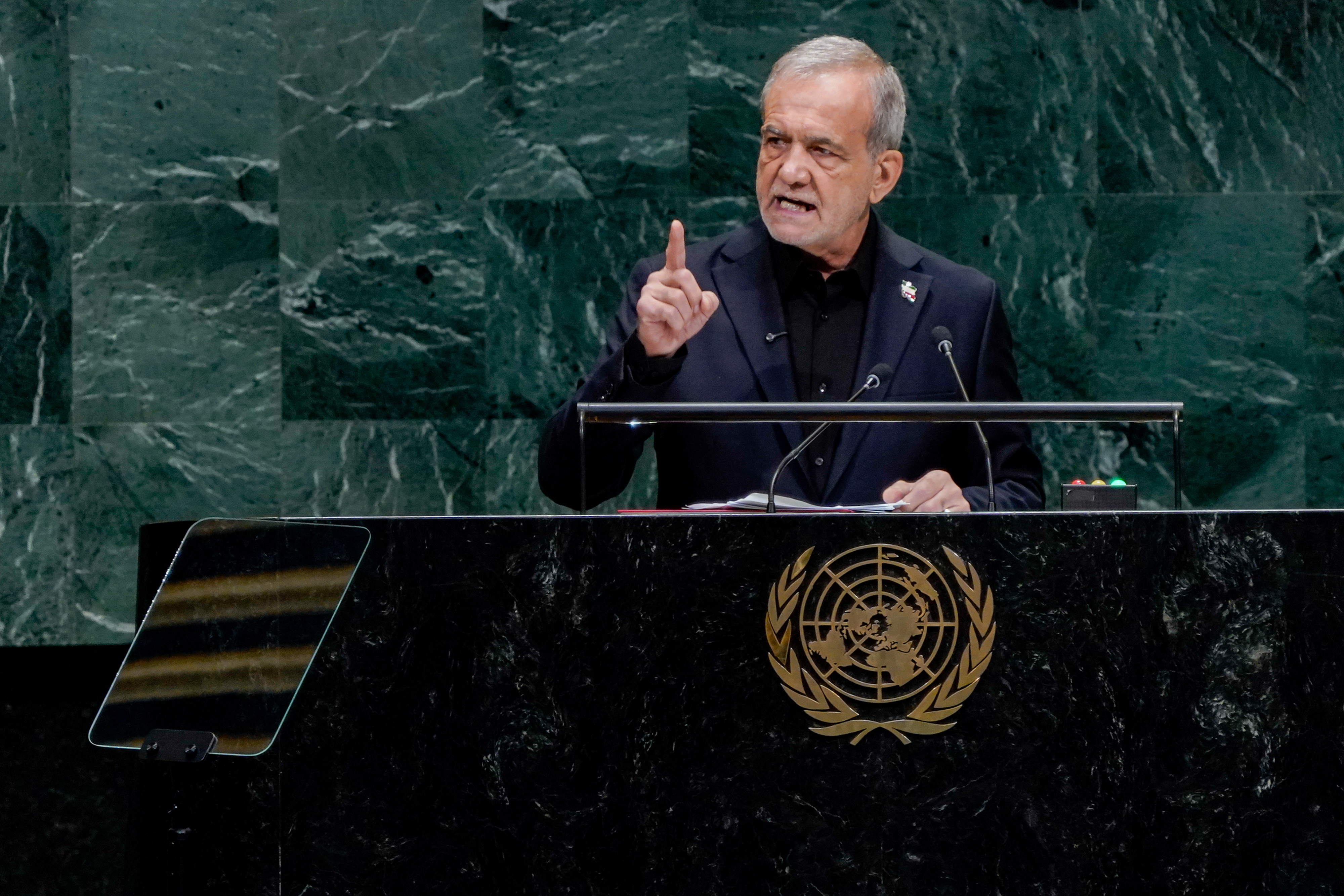
Every autumn, diplomats descend upon Manhattan to engage in a ritualistic exercise of self-delusion. They stand at the mahogany podium, adjust their reading glasses, and lament that the United Nations is losing its grip on global order. They draft earnest resolutions, commission panels on bureaucratic bloat, and wring their hands over the paralysis of the Security Council.
The lazy consensus among international relations pundits is that the organization is broken, outdated, and desperately in need of structural modernization to survive the century.
They have it completely backwards.
The United Nations is not broken. It is performing precisely the function it was designed to execute. The structural flaws, the chronic gridlock, and the veto tantrums thrown by nuclear-armed superpowers are not bugs in the system. They are the core features.
The Dangerous Myth of Global Governance
To understand why the institution thrives on failure, we have to look past the utopian marketing materials. The UN was never a proto-government meant to shepherd humanity into a cooperative golden age. It was born out of the wreckage of 1945 as a high-stakes containment vessel. Its singular purpose is to keep great powers talking to one another in a moderately temperature-controlled room so they do not resort to dropping thermonuclear warheads on major cities.
When critics complain that the Security Council is toothless during regional conflicts, they are revealing a profound misunderstanding of international law. The five permanent members—the United States, Russia, China, France, and the United Kingdom—were given absolute veto power for a very specific reason: to ensure that the institution could never pass a binding resolution against the vital interests of any major military power without collapsing instantly.
Imagine a scenario where a majority vote could compel a nuclear-armed state to submit to international military intervention. That organization would not survive a single afternoon. The veto is the pressure-release valve that prevents total institutional rupture. It is an ugly, cynical mechanism, but it works.
The Bureaucracy as a Shock Absorber
Critics love to target the sprawling, inefficient bureaucracy. Governments slash budgets and demand lean operations, treating the Secretariat like a failing logistics corporation that needs a corporate turnaround specialist.
This is a category error. The thousands of desk jobs, overlapping agencies, and endless committees do not exist to optimize efficiency. They exist to distribute diplomatic patronage. They provide a predictable, permanent diplomatic employment program that keeps middle-tier nations invested in the architecture of international law.
When a developing nation has a voice in a tertiary committee, it buys into the broader framework of state system stability. Strip away the bureaucratic padding to make the machine "lean," and you lose the institutional glue that keeps micro-states tethered to multilateral diplomacy rather than regional chaos.
Why Reform Proposals Are Dead on Arrival
Every few years, well-meaning reformers trot out grand blueprints to expand the Security Council, limit the veto, or invoke Article 109 of the Charter to force a wholesale rewrite of global governance rules.
These proposals always fail for a simple reason: the beneficiaries of the current architecture hold the keys to changing it. Asking the permanent members to vote away their veto power is like asking a homeowner to hand out keys to strangers and invite them to repossess the master bedroom. It ignores the raw physics of power politics.
Real institutional shifts do not happen because a committee of academics drafts a compelling white paper on equity and representation. They happen because a catastrophic systemic shock redraws the map of global power by force. Until a new global war or economic collapse destroys the old distribution of power, the current rules will remain untouched, regardless of how many speeches are delivered at the General Assembly.
The Real Value of the Machine
If you judge the institution by its ability to stop wars, it is an abject failure. It has repeatedly failed to prevent mass atrocities, from the Balkans to Rwanda and across contemporary conflict zones.
Stop evaluating it as a peacekeeper. Evaluate it as a permanent diplomatic clearinghouse.
It provides an intelligence-gathering forum, a permanent backchannel for hostile states, and a venue where technical cooperation on aviation, shipping, telecommunications, and health standards can proceed even while armies face off across contested borders. Without this cumbersome framework, the friction of international trade and communication would multiply exponentially.
The next time you read a headline declaring that the organization is facing an existential crisis, ignore the panic. The institution is not dying. It is merely doing what it was built to do: absorbing the shock of human conflict without breaking apart. Stop trying to turn it into something it can never be.