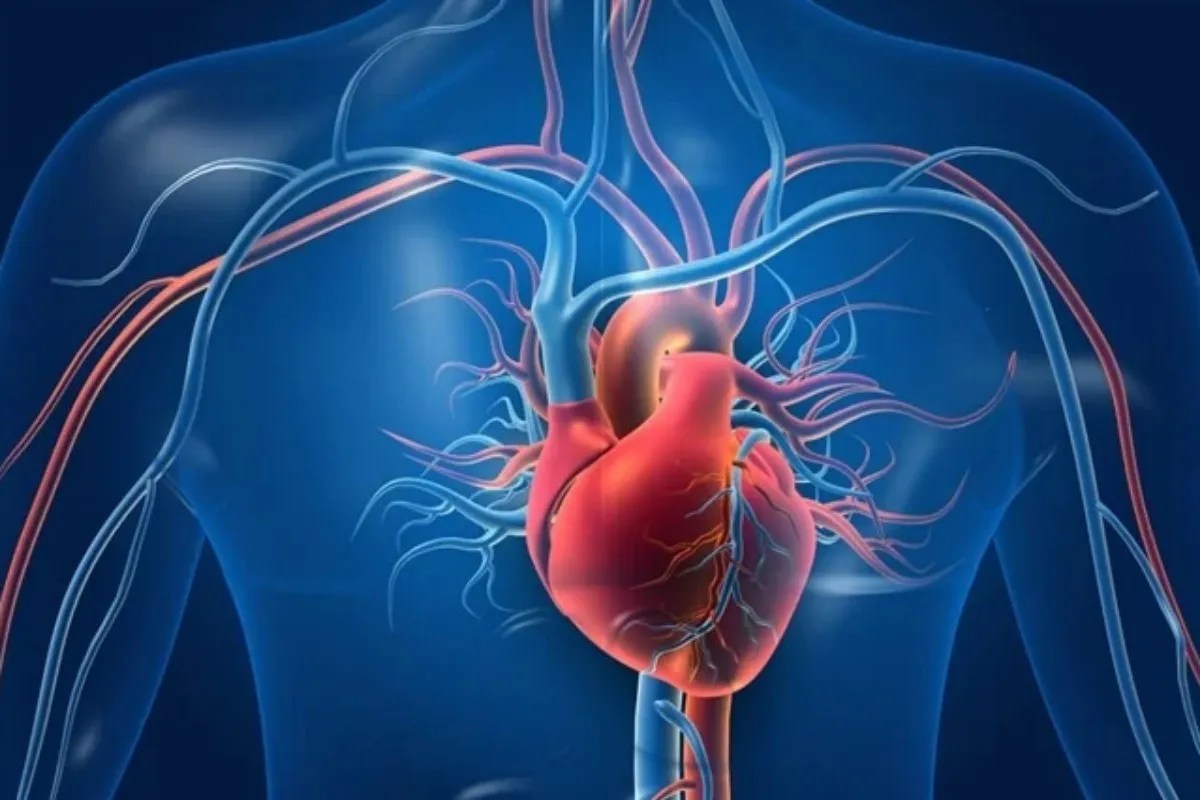
Your heart just skipped a beat. Or it fluttered. Or it pounded against your ribs like a trapped bird while you were sitting perfectly still on the couch.
If you do what 99% of people do, you will immediately open a search tab, type in your symptoms, and plunge into a rabbit hole of medical panic. You will read cookie-cutter health blogs telling you to cut out coffee, practice deep breathing, and schedule an emergency appointment with a cardiologist.
That advice is not just lazy. It is actively making you worse.
The medical establishment treats heart palpitations as a glitch to be corrected or a terrifying harbinger of sudden cardiac arrest. For the vast majority of people, it is neither. By obsessing over every flutter, tracking your heart rate on your smartwatch, and treating your body like a fragile glass vase, you are feeding a feedback loop that creates the exact symptoms you are trying to escape.
I have spent years evaluating clinical data and watching how patients interact with modern cardiac tracking tech. I can tell you flatly: the modern obsession with cardiac perfection is a psychological trap. It is time to stop trying to fix your heart palpitations and start understanding what your nervous system is actually doing.
The Illusion of the Metronomic Heart
The fundamental flaw in how we think about our pulse is the myth of the metronome.
We are taught that a healthy heart beats in a perfectly steady, rhythmic cadence. Tik. Tok. Tik. Tok. If it deviates, we assume something is broken.
This is biologically illiterate. A perfectly regular heart is actually a sign of severe autonomic dysfunction or advanced heart failure. A healthy heart is chaotic. It is constantly adjusting its micro-intervals based on your breathing, your posture, your thoughts, and your blood pressure. This fluctuation is known as Heart Rate Variability (HRV).
When you feel a palpitation, you are usually experiencing one of two completely benign phenomena:
- Premature Atrial Contractions (PACs): An early beat originating in the top chambers of the heart.
- Premature Ventricular Contractions (PVCs): An early beat originating in the bottom chambers.
Everyone has them. Literally everyone. If we put a Holter monitor on every single person walking down the street for 24 hours, data from organizations like the American Heart Association shows that the vast majority of healthy adults will register ectopic beats.
The difference between you and the person who does not have "heart palpitations" is not that your heart is defective. It is that your interoception—your conscious awareness of your internal bodily signals—has been dialed up to an unhealthy maximum. You are feeling what others naturally filter out.
Why Your Smartwatch is a Cardiac Anxiety Machine
We live in an era of unprecedented biometric surveillance. You have a device strapped to your wrist that monitors your pulse 24/7, ready to ping you with a notification the moment your heart rate spikes or dips.
This technology was marketed as a lifesaver. Instead, it has created a new class of patients: the worried well.
Imagine a scenario where you are sitting at your desk, slightly stressed about a deadline. Your heart throws a single, standard PVC. Because you are hyper-vigilant, you feel it. You immediately look down at your watch. Your heart rate reads 95 beats per minute. You panic. Your brain perceives this panic as a genuine physical threat and floods your system with adrenaline. Ten seconds later, your heart rate is 120, and you are having a full-blown panic attack, convinced you are having a myocardial infarction.
[Minor Ectopic Beat] ➔ [Hyper-Vigilant Awareness] ➔ [Check Smartwatch] ➔ [Spike in Anxiety] ➔ [Adrenaline Release] ➔ [More Palpitations]
This is a self-fulfilling loop. The watch did not save your life; it triggered the episode.
Cardiologists are now drowning in data brought in by patients showing minor fluctuations on consumer ECG apps. The vast majority of these readings show nothing more than normal sinus tachycardia or isolated ectopy. By treating every blip on your wrist as a crisis, you are training your amygdala to view your own heartbeat as an enemy.
The Caffeine Myth: Stop Drinking Decaf
Whenever someone complains of flutters, the first piece of advice from well-meaning doctors and internet forums is identical: "Cut out caffeine and alcohol."
Let us look at the actual data.
A landmark study published in the Journal of the American Heart Association analyzed the caffeine consumption of over 1,300 people and tracked their cardiac rhythms. The researchers found no association whatsoever between the consumption of caffeine and the frequency of PACs or PVCs. None. In fact, for many people, moderate coffee consumption is associated with a lower long-term risk of heart failure and arrhythmias.
When you drastically cut out coffee because you are scared of palpitations, you are engaging in avoidance behavior. You are telling your brain: I am sick. I am weak. I cannot handle basic stimulants.
The resulting psychological stress and hyper-focus do far more to destabilize your autonomic nervous system than a morning espresso ever could. Unless you have a rare, documented genetic arrhythmia that is specifically triggered by stimulants, your cup of coffee is not the problem. Your fear of the cup of coffee is the problem.
Dismantling the Premise of Your Panic
People frequently ask specific questions when they experience these symptoms. Let us address them by destroying the flawed logic behind them.
"How do I stop my heart from fluttering right now?"
The premise of this question is that you need to take immediate control of an involuntary organ. You cannot force your heart to slow down through sheer willpower, and trying to do so only increases your cortisol levels. The answer is counter-intuitive: do nothing. Allow the flutter to happen. Acknowledge it without assigning danger to it. When you stop fighting the sensation, the adrenaline surge subsides, and the ectopy naturally clears.
"Can anxiety cause permanent heart damage?"
No. Sinus tachycardia and ectopic beats driven by emotional stress do not damage the cardiac muscle or warp the valves. Your heart is an incredibly resilient muscle designed to handle extreme physical exertion and intense emotional states. It can beat at 150 BPM for hours during a marathon without structural damage; your 10-minute panic attack over a presentation is not going to break it.
"When are palpitations actually dangerous?"
This is where we must be brutally honest. There are times when palpitations require medical evaluation. The differentiator is not the sensation of the flutter itself—it is the presence of systemic hemodynamic compromise.
| Benign Palpitations | Potentially Dangerous Palpitations |
|---|---|
| Occur mostly at rest or during quiet moments | Triggered consistently by intense physical exertion |
| Accompanied by anxiety or hyper-awareness | Accompanied by true syncope (fainting/passing out) |
| Resolve quickly when moving or distracting yourself | Accompanied by crushing chest pain or severe shortness of breath |
| Isolated thumps or brief 2-second flutters | Sustained, rapid racing that lasts for hours without stopping |
If you are not fainting, losing consciousness, or experiencing genuine oxygen deprivation, your palpitations are almost certainly an echo of an overstimulated nervous system, not a structural cardiac failure.
The Downside of the Radical Acceptance Approach
To be entirely fair, ignoring your palpitations and accepting them as normal noise has a distinct psychological downside: it forces you to sit with discomfort.
It is much easier to take a pill, cut out a food group, or run to an urgent care clinic for a quick hit of temporary reassurance. Choosing to ignore a thumping in your chest requires an immense amount of mental discipline. It means feeling an uncomfortable physical sensation, refusing to check your pulse, and continuing to walk, work, or eat dinner as if nothing happened.
It feels risky. It feels like you are playing Russian roulette with your health, even though the clinical data says you are perfectly safe. But true recovery from benign cardiac awareness requires walking through that discomfort without reaching for a safety behavior.
Shift Your Focus from the Pump to the Pipes
If you want to actually reduce the frequency of these episodes, you need to stop focusing on your heart and start focusing on your overall vascular and metabolic health.
Isolated PVCs are often exacerbated by simple, non-cardiac physiological imbalances:
- Electrolyte Depletion: Modern diets are notoriously low in potassium and magnesium. These minerals govern the electrical polarization of your cardiac cells. When they are low, your cells become "irritable" and fire prematurely.
- Gastrocardiac Syndrome (Roemheld Syndrome): Your vagus nerve connects your brain, your gut, and your heart. Gas, bloating, or acid reflux can physically press against the diaphragm or irritate the vagus nerve, sending erratic electrical signals straight to your heart. You do not need a cardiologist; you need a better digestive tract.
- Sleep Fragmentation: Poor sleep quality destroys your autonomic balance, leaning your body heavily into a sympathetic (fight-or-flight) state the following day.
Fixing these areas requires actual effort. It means lifting heavy weights, eating mineral-dense whole foods, and addressing your sleep hygiene. It is far less dramatic than claiming you have a mysterious heart condition, but it is the only strategy that yields long-term results.
Stop viewing your heart as a fragile machine on the verge of breakdown. It has been beating since before you were born, and it knows exactly how to self-correct if you would just get out of its way. Delete your pulse-tracking apps, throw away your portable ECG monitors, and accept the occasional thump as a sign of a dynamic, living system. Turn your attention outward. Your heart can handle itself.