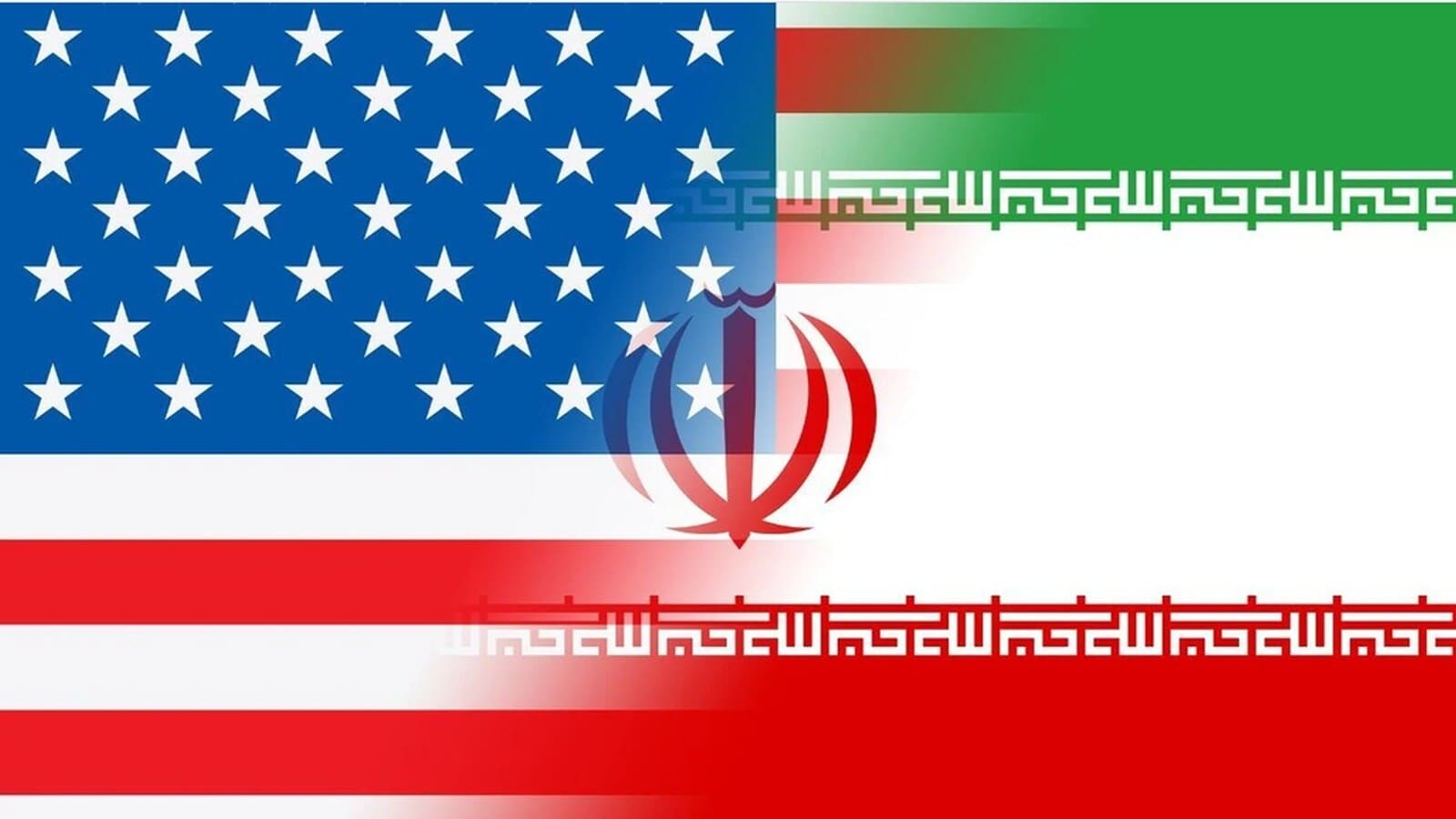
The headlines out of the Gulf always read the same way. Officials in Abu Dhabi call for a realistic political solution. Commentators nod along in agreement, praising the wisdom of calm heads prevailing in the desert. Everyone wants a diplomatic off-ramp. Everyone wants to believe that cooler heads will eventually sit down at a mahogany table and trade grievances for peace accords.
It is a comforting fantasy. It is also completely detached from how power actually operates.
I have spent years watching diplomats draft communiques that look great on paper while failing to alter a single operational reality on the ground. When regional capitals panic after fresh drone strikes and demand a return to dialogue, they are not practicing statesmanship. They are practicing avoidance. They are pretending that a fundamental ideological clash can be resolved with polite talking points and mutual concessions.
Realism, as it is currently peddled by international relations pundits, has become a euphemism for managing decline rather than stopping aggression.
The Myth of the Negotiated Compromise
Let us strip away the diplomatic varnish. The lazy consensus in foreign policy circles assumes that every conflict has a political midpoint. The theory goes that if you push one side to show restraint and offer the other side enough economic incentives, both actors will eventually recognize the shared benefits of stability.
This model works wonderfully when dealing with rational actors whose primary objective is market optimization and domestic prosperity. It fails catastrophically when applied to ideological expansionism.
When a state actor or its proxy network views conflict as an existential, non-negotiable duty, offering them a diplomatic solution is not an act of peace. It is an invitation to pocket your concessions and continue the campaign through other means. History is littered with treaties that served only as rearmament periods for the side that never intended to honor them in the first place.
Abu Dhabi wants trade routes secured, tourism numbers protected, and skyscraper skylines free of incoming shrapnel. That is a rational commercial interest. But you cannot trade commercial stability to an adversary whose institutional identity is built on rejecting the current regional order. The mismatch in objectives renders traditional negotiation dead on arrival.
Why the Regional Approach is Broken
The standard prescription from think tanks is a regional security architecture. Get everyone in a room. Sign a non-aggression pact. Share intelligence.
Imagine a scenario where a local retail store owner tries to negotiate a peace treaty with a gang that has made it clear their business model is taking over the entire block by force. Every meeting the store owner calls is interpreted by the gang not as an attempt at coexistence, but as a sign of weakness and desperation. The more the shopkeeper talks about compromise, the more emboldened the gang becomes.
That is the exact dynamic playing out across the Middle East right now.
When the United Arab Emirates issues appeals for realism, they are acknowledging the vulnerability of open economies in a volatile neighborhood. Capital flees at the sound of air defense sirens. Ports close when maritime security is compromised. The financial cost of friction is devastatingly high for a nation built on being the oasis of the Gulf.
Yet, calling for peace without backing it with a credible, devastating deterrent is just shouting into a sandstorm. Realism without leverage is simply begging.
The Cost of Strategic Delusion
I have watched corporate boards and sovereign funds misallocate billions of dollars because they bought into the diplomatic spin. They treat geopolitical risk like a temporary weather pattern rather than a structural fault line. They build redundancy plans assuming that a breakthrough is just around the corner.
This is negligent.
The downside of my contrarian approach is brutal: admitting that peace is not always available requires accepting chronic instability. It means abandoning the comforting illusion that a signed paper can override a loaded launcher. It means accepting high defense spending, constant vigilance, and the cold calculus of deterrence over the warm fuzzies of summit diplomacy.
Comforting lies pay better in the short term. Analysts who predict imminent breakthroughs get invited back onto television sets. Those of us pointing out that the underlying mechanics of the conflict make peace impossible right now are dismissed as cynics.
Call it cynicism if you want. I call it looking at a balance sheet without cooking the books.
Breaking the Cycle
If you want to understand why these attacks keep happening, stop listening to what foreign ministers say in press releases and start looking at what actors can do with impunity. Deterrence failed not because there was a lack of dialogue, but because the cost of aggression was set too low.
Until the architecture of enforcement changes—until the price for disruption vastly outweighs any conceivable ideological or strategic gain—every call for a realistic political solution is just noise in the wind.
Stop waiting for the breakthrough that is never coming. Build your strategy around the reality of the storm, because hoping for clear skies will not keep the roof over your head.