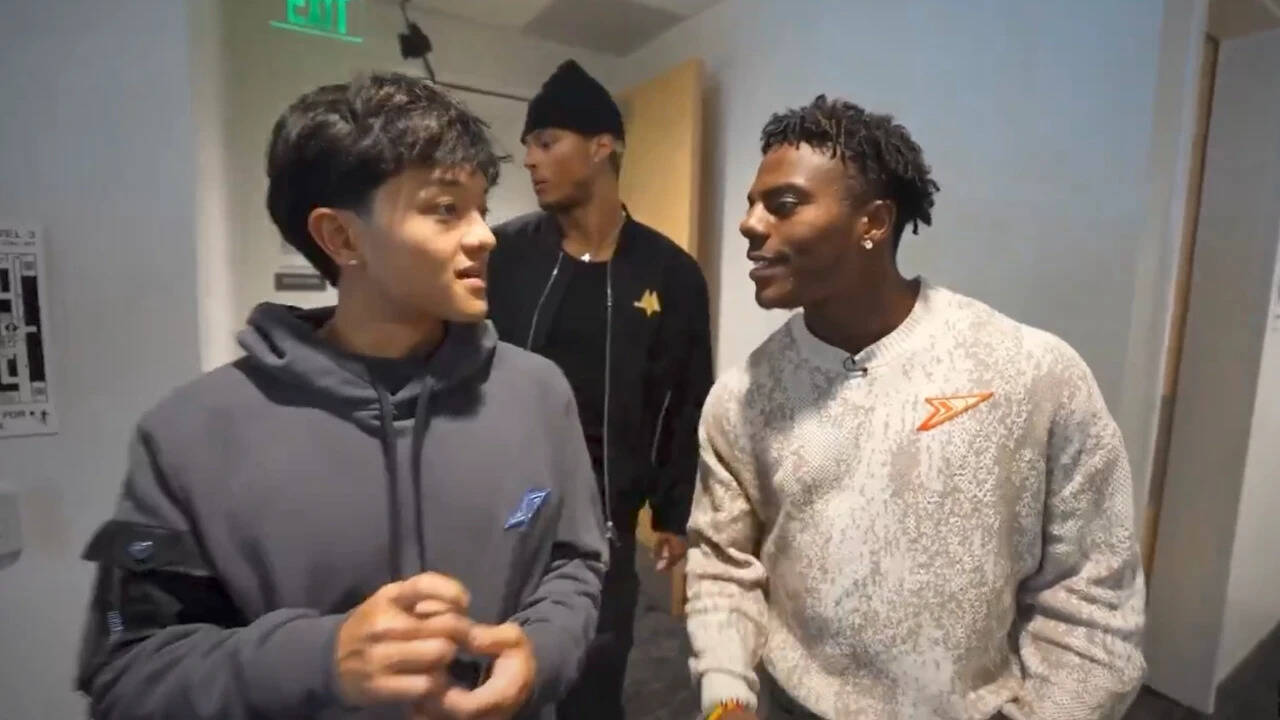
The internet is having its collective, predictable meltdown over a streamer named Binx posing for a photo near a crashed Amazon cargo plane in Miami. The pearl-clutching headlines write themselves: moral bankruptcy, digital ghouls, the absolute decay of human empathy in real-time. Social media moralists are screaming for federal prison time, platform bans, and public flaying because a broadcast creator treated a disaster zone like a tourist attraction.
Here is the lazy consensus everyone is parroting: streamers are getting too reckless, boundaries have vanished, and platforms need to enforce draconian ethics codes to stop this macabre clout-chasing.
It is a comfortable narrative. It lets everyone pretend they are vastly superior to a reckless content creator. It is also completely naive.
The outrage machine is functioning precisely as designed, and every single person typing an angry paragraph on X or Reddit is fueling the exact engine they claim to despise.
Let us look at the mechanics of attention economics. The conventional take assumes that public backlash acts as a deterrent. History proves the exact opposite. I have watched digital footprints turn into gold mines for years; outrage is not a penalty, it is jet fuel. When a creator crosses a physical or ethical boundary, the resulting wave of digital fury expands their reach exponentially. Millions of people who never knew this creator existed are suddenly looking at her name, searching for clips, and driving engagement metrics through the roof.
Blaming the streamer for chasing a viral moment while ignoring the infrastructure that rewards it is intellectual cowardice. Platforms like Kick and Twitch are built on an attention economy where neutrality is death. If you reward hyper-stimulation, boundary-pushing, and unfiltered reality with subscription dollars, view counts, and algorithmic amplification, you cannot act shocked when someone climbs a fence to touch the absolute edge of disaster. Expecting modern broadcast personalities to suddenly adopt Victorian standards of decorum while operating inside a Roman colosseum of digital commerce is a fool's errand.
The legal arguments being tossed around are equally hollow. Commentators love pointing to federal statutes regarding airport security breaches or trespassing, salivating over the prospect of a decade behind bars. Let us be realistic. Unless local authorities or federal agencies decide to make a heavy-handed political example out of a low-level creator—which rarely happens for a simple perimeter breach that ended in a polite apology and departure—this will fade into the background noise of internet lore. The law handles trespassing and security infractions through civil or minor criminal citations, not maximum-security sentences, no matter how many outraged forum threads demand blood.
The deeper issue is not that a streamer lacked empathy. The issue is our collective addiction to pretending we hold the moral high ground while gorging ourselves on the very footage we condemn. Every view of that clip, every quote-tweet dissecting how heartless it was, and every media outlet spinning up a panic piece is paying the toll at the gate.
If you truly want to stop disaster tourism and performative ghoulishness on livestreams, the solution is brutally simple: absolute, unyielding starvation of attention. Do not post about it. Do not clip it. Do not let the algorithm register your fury as engagement.
Until the audience learns to look away instead of amplifying the spectacle, stop acting like you are better than the person holding the camera. You are the one keeping the lights on.