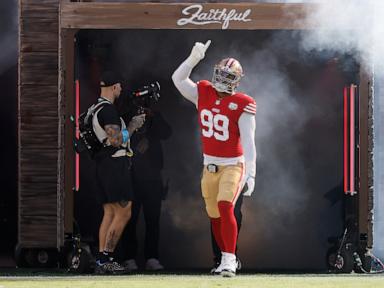
Every single Monday morning across the sports media complex, the same lazy narrative gets recycled. A team puts together a stat-sheet-stuffing defensive performance against a bottom-tier offensive line, and the talking heads trip over themselves praising the return of star players. They point to the box score, flash the sack totals, and act like a defensive renaissance has officially arrived.
It is complete fiction.
Let us look at the actual mechanics of what happens when marquee names like DeForest Buckner or Nick Bosa feast on backup tackles and dysfunctional play-calling. The mainstream media wants you to believe that individual brilliance single-handedly shifts momentum. The reality is far more clinical. Dominance in modern professional football is a structural inevitability, not a spark of emotional inspiration. When an elite front four destroys an offensive game plan, it exposes a systemic failure on the other side of the ball far more than it reveals a stroke of defensive genius.
Stop crediting the return of a single disruptor for a structural mismatch.
The Box Score Fallacy
Look at the snap breakdowns from these supposed defensive masterclasses. When pressure rates spike, the casual observer assumes the pass rusher turned a corner on that specific afternoon. Dig into the tracking data. More often than not, the opposing offensive coordinator decided to leave backup interior blockers on an island, refused to maximize chips and slide protections, and insisted on running slow-developing dropbacks against a four-man rush that was built to exploit single-man blocking.
I
Why Blaming Star Pass Rushers is Ruining How We Watch Football
sports
Every single post-game analysis on the San Francisco 49ers follows a predictable script. The moment a defensive line generates pressure, the talking heads rush to credit the headliners. DeForest Buckner gets traded or lines up elsewhere, Nick Bosa grabs a couple of sacks, and the narrative writes itself. The lazy consensus says elite individual disruption equals defensive dominance. It is a comforting myth for people who watch the box score instead of the field.
I have spent years breaking down coach's tape frame by frame, and watching analysts hyperventilate over individual sack totals misses the operational reality of modern defense.
Let us dismantle the illusion.
The Flawed Logic of the Box Score Hero
The standard reaction to a dominant defensive outing points directly to the marquee names on the stat sheet. If the quarterback spends the afternoon running for his life, the conclusion is immediate: the pass rushers won their individual matchups.
This perspective is fundamentally broken.
Football is not a collection of one-on-one basketball matchups. It is an interdependent ecosystem where individual brilliance is almost always a byproduct of structural design. When a defense completely dismantles an offensive game plan, crediting the guy who happened to collect the final numbers is like praising the waiter for cooking the meal.
Consider how quarterbacks actually beat pressure. They do not lose because a defensive lineman wins a pass-rush rep in two point four seconds. They lose because every single passing lane is erased before their back foot hits the turf. That has nothing to do with raw athletic dominance and everything to do with spatial control.
The Uncomfortable Truth About Coverage Interdependence
Nick Bosa is a generational talent. DeForest Buckner is an interior wrecking ball. Nobody disputes their athletic credentials. But attributing a suffocating defensive performance solely to their presence ignores the backend mechanics that make their jobs possible in the first place.
Imagine a scenario where a defensive coordinator plays loose, undisciplined coverage behind a star-studded front four. The quarterback simply gets rid of the ball in under two seconds. The pass rush becomes entirely irrelevant. The stats dry up. The defense gets exposed.
The reverse, however, reveals the actual engine of defensive success. When coverage units dictate terms, squeeze route combinations, and force quarterbacks to hold the ball for an extra beat, even average pass rushers look like All-Pros.
We praise the pressure while ignoring the coverage that manufactured it.
The analytical community has known this for years, yet mainstream media continues to peddle the hero-ball narrative. Pressure is a coverage stat. Let that sink in. When pass rush success rates are decoupled from defensive back performance, the correlation between raw pass rush talent and actual defensive stops weakens dramatically.
The Cost of Chasing Names
This obsession with star power warps roster construction and draft strategy across the league. Front offices routinely blow tens of millions of dollars on high-priced edge rushers while neglecting the connective tissue of the secondary and linebacker corps.
I have watched franchises sink massive capital into individual disruptors, only to wonder why their defense ranks twenty-fourth in third-down conversions. They bought the hood ornament while the engine block was missing parts.
When you build a defense backward from the pass rush, you expose yourself to structural failure the moment an injury occurs or an opponent neutralizes your primary threat with quick-game concepts. Sustainable defensive excellence requires structural integrity, not just expensive athletes hunting individual glory.
Stop looking at the sack totals. Start watching the intermediate zones.
The next time an elite front four dominates an afternoon, look past the initial explosion at the line of scrimmage. Watch how the defensive backs bracket primary reads. Watch how linebackers muddy the interior windows.
The dominant performance was never about a single player taking over the game. It was about a collective design suffocating every available blade of grass.