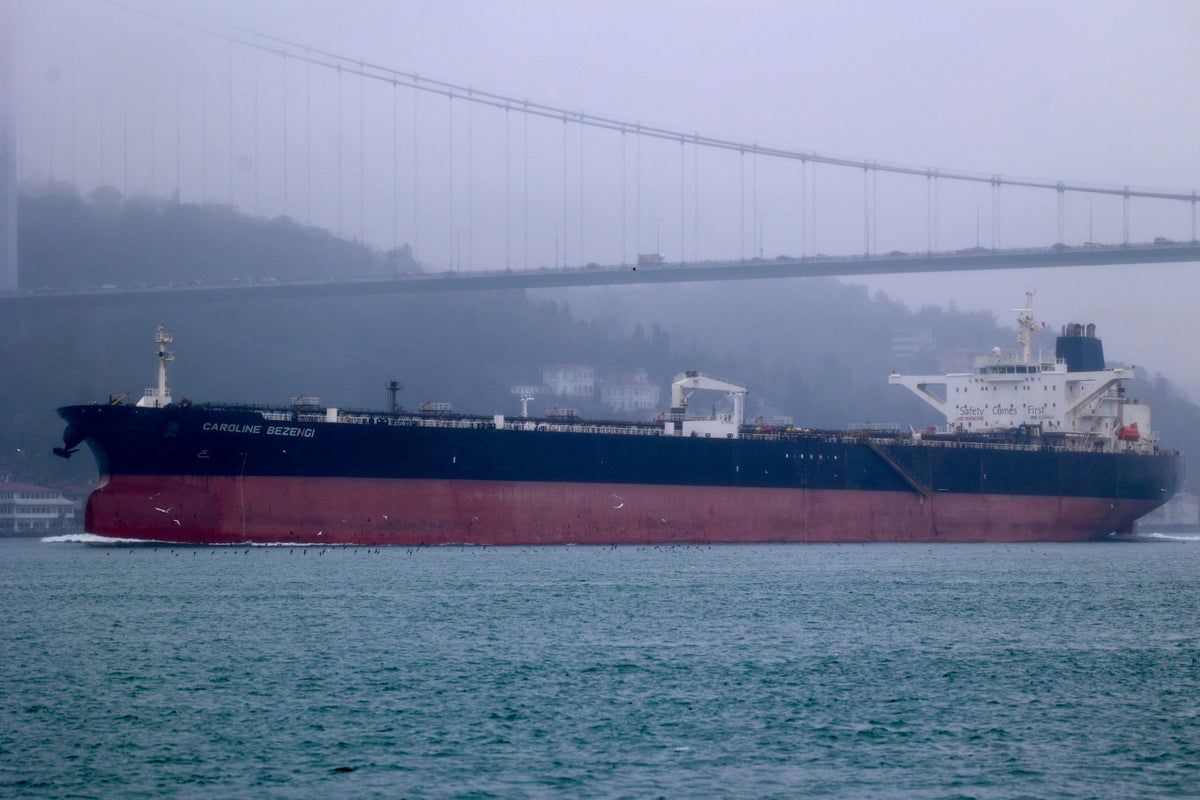
The lazy consensus floating around every newsroom and maritime desk right now is comforting, predictable, and entirely wrong. The narrative goes like this: an oil spill off the coast of Oman hits the mainland, and because regional geopolitical tensions are high and maritime insurance rates are spiking due to active conflicts nearby, recovery efforts are inevitably hamstrangerd, delayed, and crippled.
It is a neat excuse. It lets governments point fingers at distant skirmishes. It lets shipping conglomerates blame an unpredictable security climate. And it lets cleanup contractors collect fat retainers while doing the bare minimum under the cover of a regional crisis.
I have spent years watching crisis management operations fail in real-time, and I have seen shipping syndicates blow millions on theatrical response plans that exist solely on paper to satisfy regulatory checkboxes. The war zone is not the primary bottleneck stopping oil from being cleaned off Oman's beaches. Bureaucratic inertia, antiquated procurement models, and an absolute refusal to pre-position modular response assets are the actual culprits.
Let us dismantle the fiction piece by piece.
The Geography of Convenience
Look at the logistics. The spill occurred in the Gulf of Oman, an artery of global energy transit. When crude hits the shoreline near Ras Al-Hadd or surrounding coastal stretches, the immediate cry from local authorities points toward the heightened threat matrix in nearby waterways.
Insurance underwriters are blamed for refusing to clear vessels into the zone. Naval patrols are blamed for monopolizing communication channels.
This is a smokescreen. Modern oil spill response does not require a luxury cruise liner or a peacetime diplomatic summit to operate effectively. It requires standardized skimmers, boom deployments, vacuum trucks, and trained local labor units. The infrastructure to move heavy machinery across Omani highways exists independently of whatever naval skirmish is happening three hundred miles away in the Red Sea or the Persian Gulf.
When response times stretch from hours to weeks, the cause is rarely enemy action or a missile threat. It is procurement lag. It is three different ministries arguing over who signs the purchase order for heavy-duty absorbent booms while the tide bakes the crude into the sand.
The Myth of the Specialized Savior
Another favorite talking point of the mainstream media is the reliance on tier-one international spill response organizations. When an incident happens, the narrative assumes we must wait for a specialized Dutch or British salvage vessel to steam across oceans with proprietary gear.
This is an expensive delusion.
I've watched multinational firms trot out multi-million dollar remediation strategies that collapse the moment a local port authority denies entry paperwork because a third-party subcontractor didn't have the right stamp on a customs form. True resilience is decentralized, modular, and local.
Oman has a mature maritime economy. The heavy plant equipment needed to scrape hydrocarbons off a beach—excavators, dump trucks, vacuum tankers—is already sitting in industrial yards across Sohar and Salalah. The delay has never been a lack of physical tools. The delay is an institutional addiction to top-down, hyper-expensive foreign contractors who treat every regional spill like a blank-check science experiment rather than an earth-moving logistics problem.
What the Insurance Panic Hides
Let us address the maritime insurance angle, because this is where the lazy narrative gets its teeth. Premiums for hulls operating near the Strait of Hormuz have indeed climbed. War-risk surcharges are real.
However, a war-risk surcharge applied to commercial crude tankers transiting a conflict zone has zero legal or operational bearing on a near-shore environmental remediation vessel operating under sovereign Omani jurisdiction. Tugs and barges contracted for domestic pollution control do not cross into active missile exchange zones to pick up tarballs on a beach.
Conflating the financial anxiety of international cargo insurers with the physical impossibility of cleaning a beach is a masterclass in corporate obfuscation. The shipowners want to dilute their liability, the insurers want to justify higher premiums across the board, and the local agencies use the fog of war as an alibi for sluggish execution.
If you want to understand why the oil reached the mainland, stop looking at radar maps of regional conflicts and start looking at response times between the initial satellite detection of the sheen and the deployment of the first shore crew. You will find a gap of days—sometimes weeks—filled with meetings, jurisdictional disputes, and committees drafting press releases.
The Counter-Intuitive Fix
If we want to stop environmental catastrophes from turning into permanent ecological scars, we have to adopt a model that assumes chaos is the baseline.
First, jurisdictions like Oman need to legally decouple environmental emergency response from standard wartime maritime logistics. Create a dedicated, sovereign rapid-deployment fund that bypasses normal customs and procurement checks the second a spill hits territorial waters.
Second, stop waiting for international conglomerates to ship proprietary plastic tubes across the globe. Standardize response around heavy industrial earthmoving equipment that can be requisitioned from domestic construction firms within two hours. Crude oil on a beach is a geotechnical nuisance before it is a chemical puzzle; treat it like dirt removal, not rocket science.
Third, penalize the operators transparently. When a tanker leaks—whether from a structural failure, an illegal bilge dump, or a collision—the financial penalties must instantly fund local community cleanup crews rather than disappearing into general state revenue or getting tied up in multi-year arbitration in London courts.
The war zone did not drag that oil onto the beach. Indecision did. Bureaucracy did. And until we stop buying the excuse that regional instability prevents basic municipal housekeeping, every spill will write the same tragic, preventable script.