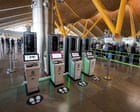
The media wants you to believe that the expiration of border-check flexibility rules in the European Union is a bureaucratic apocalypse waiting to happen. They paint a picture of endless serpentine queues, weeping tourists clutching expiring passports, and automated gates crashing under the weight of human traffic. It is a lazy, predictable narrative designed to trigger anxiety and rack up clicks.
The standard complaint is simple: Brussels is tightening the screws, flexibility is dead, and airports are about to descend into chaos.
That premise is entirely backwards.
The expiration of these temporary relaxations does not create a new crisis. It merely exposes structural incompetence that airports and airlines have spent years trying to mask. I have watched carriers overbook flights while cutting ground staff to the bone, then point a trembling finger at border guards the moment a bottleneck forms. The problem was never the rulebook. The problem is an aviation industry addicted to running at one hundred and ten percent capacity with zero operational margin for error.
The Myth of the Rigid Border
Let us dismantle the core panic. The flexibility rules introduced during various post-pandemic and operational crunches allowed border authorities to ease systematic checks to keep traffic moving. When those provisions expire, the default legal framework of the Schengen Borders Code returns to full enforcement.
Critics call this a rigid step backward. Operational reality says otherwise.
A systematic check against security databases does not inherently require a thirty-minute delay per passenger. The bottleneck occurs because legacy physical infrastructure cannot handle modern volume spikes, not because a passport scan takes an eternity. Look at major hubs like Frankfurt, Madrid, or Amsterdam. Their international terminals were designed decades ago when international travel was a luxury, not a commuter sport.
When you funnel twenty wide-body aircraft arriving within a forty-minute window toward a checkpoint staffed by six officers, the queue is a mathematical certainty. Blaming the legal requirement to check a passport database is like blaming gravity when you jump out of an airplane without a parachute.
The Economics of Manufactured Chaos
Airlines and airport operators love these regulatory changes because they serve as a convenient shield. When flights are delayed or passengers miss connections, management does not want to explain why they trimmed ground-handling contracts to boost quarterly margins. They want you to look at the glass partition separating you from the border guard and direct your fury there.
I have spent enough time behind the scenes in operational control centers to know how this game works. Airports schedule peak arrival banks that deliberately push terminal capacity past the red line. They know the staffing levels. They know the processing times. Yet they pack the schedule tighter because every gate turned around quickly means higher airport service revenues.
When the system hiccups, they run to trade associations to issue warning press releases about impending border gridlock. It is a classic deflection strategy. The expiration of flexibility rules simply removes the emergency valve that allowed operators to bypass their own structural underinvestment.
How to Navigate the New Normal
If you want to survive international transit without losing your mind or missing your connection, stop waiting for airports to fix their flow. Treat your transit through European hubs like an expedition requiring tactical awareness.
First, abandon the assumption that your connection time printed on the ticket is safe. Airlines routinely sell tight transfers that work only on a spreadsheet in a corporate office in Atlanta or London. If your ticket offers less than ninety minutes for an international-to-Schengen transfer at a major continental hub, you are already gambling. Change the flight.
Second, exploit the technology that actually works. Automated border control gates for eligible passport holders process documents significantly faster than manual booths, yet travelers routinely default to human lines out of sheer habit. If your passport has a biometric chip, head straight for the e-gates, even if the queue looks intimidating. It moves at a constant velocity, whereas manual queues stall the moment an officer encounters a complex visa issue three people ahead of you.
Third, pack your carry-on with the cold realization that your checked bag is competing against the same staffing shortages plaguing customs halls. If ground handlers are stretched thin enough to slow down passport control, they are stretched thin enough to leave your luggage sitting on the tarmac for two hours.
The Real Culprit
The panic over border-check flexibility rules is a distraction from an industry that refuses to pay for the infrastructure it requires. Brussels is not trying to ruin your summer holiday by enforcing the laws member states signed up to uphold. They are simply refusing to grant permanent exemptions for temporary operational shortcuts.
The queues are not a regulatory failure. They are the true cost of cheap tickets and overstretched terminals coming due. Until airports are forced to build capacity that matches their greed, the line will start long before you ever reach the border.